
Bluffs, Slopes, and Insurance in San Clemente: What Coastal and Hillside Buyers Should Verify
What should bluff and hillside buyers verify in San Clemente?
Verify the specific parcel's bluff and slope stability through geotechnical and drainage review, understand the area's active coastal erosion and landslide history, and know that standard homeowners insurance excludes earth movement and landslide, so specialized coverage may be needed. The views are real and so are the geology questions, and both deserve attention before you commit. The geotechnical and insurance specifics here are general, so confirm them for the exact property.
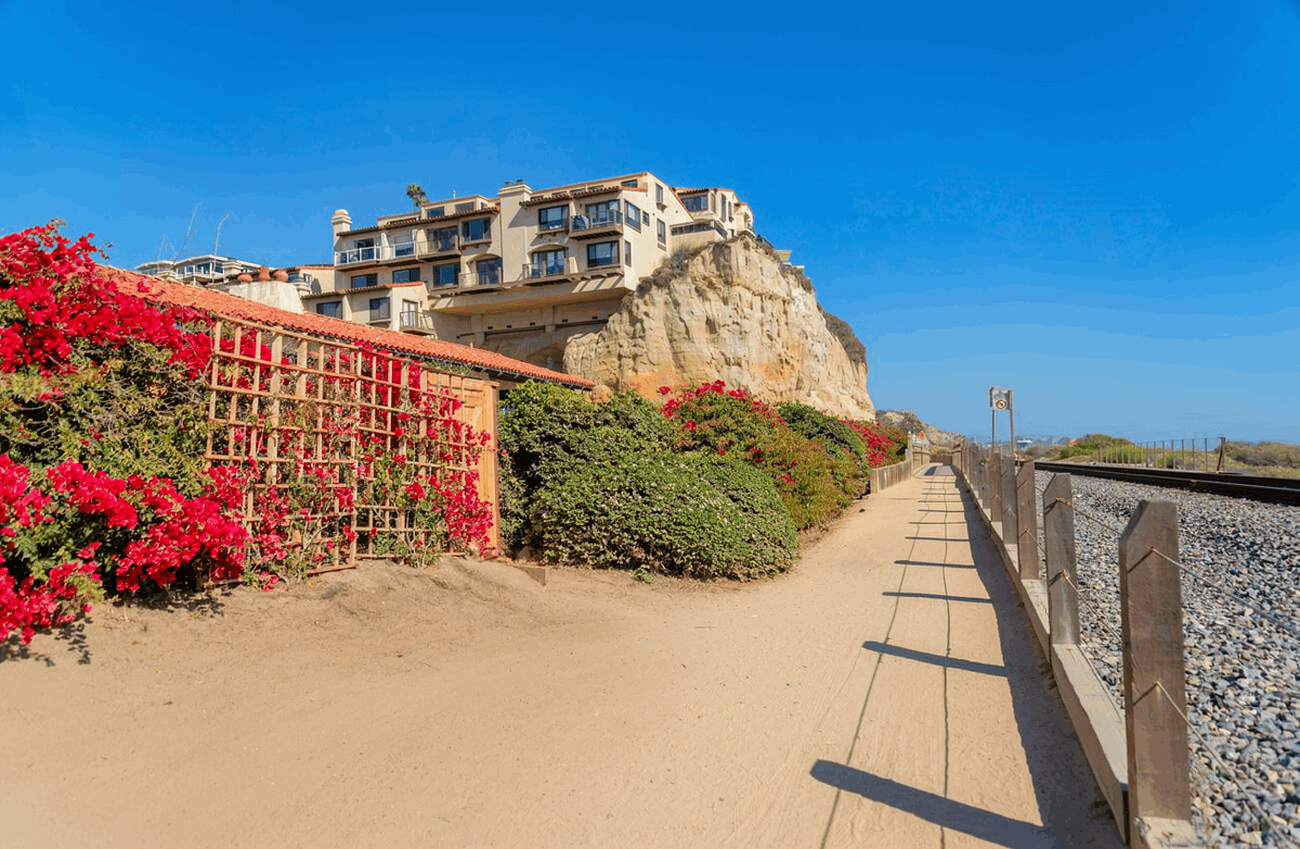
The bluffs and hillsides are the whole point of a coastal San Clemente home. The ocean laid out below the deck, the sound of the surf, the sunsets that make you forget you were ever going to look anywhere else. They are also the reason this kind of purchase asks for a layer of homework most buyers never do on a flat inland lot. San Clemente sits on a narrow band of land between the Pacific and the inland canyons, and that beautiful geography concentrates real geologic questions that a view will happily distract you from.
None of this is a reason to walk away from a bluff or hillside home. It is a reason to buy one with your eyes open. This guide walks through what buyers should verify, bluff stability and erosion, what slope and drainage reports reveal, how the area's landslide and rail-corridor history factors in, and the insurance realities that catch hillside owners off guard, so a stunning coastal home becomes a confident purchase rather than a hopeful one. For the wider picture of the city and its neighborhoods, start with my San Clemente communities guide.
San Clemente's coastline is beautiful and actively eroding
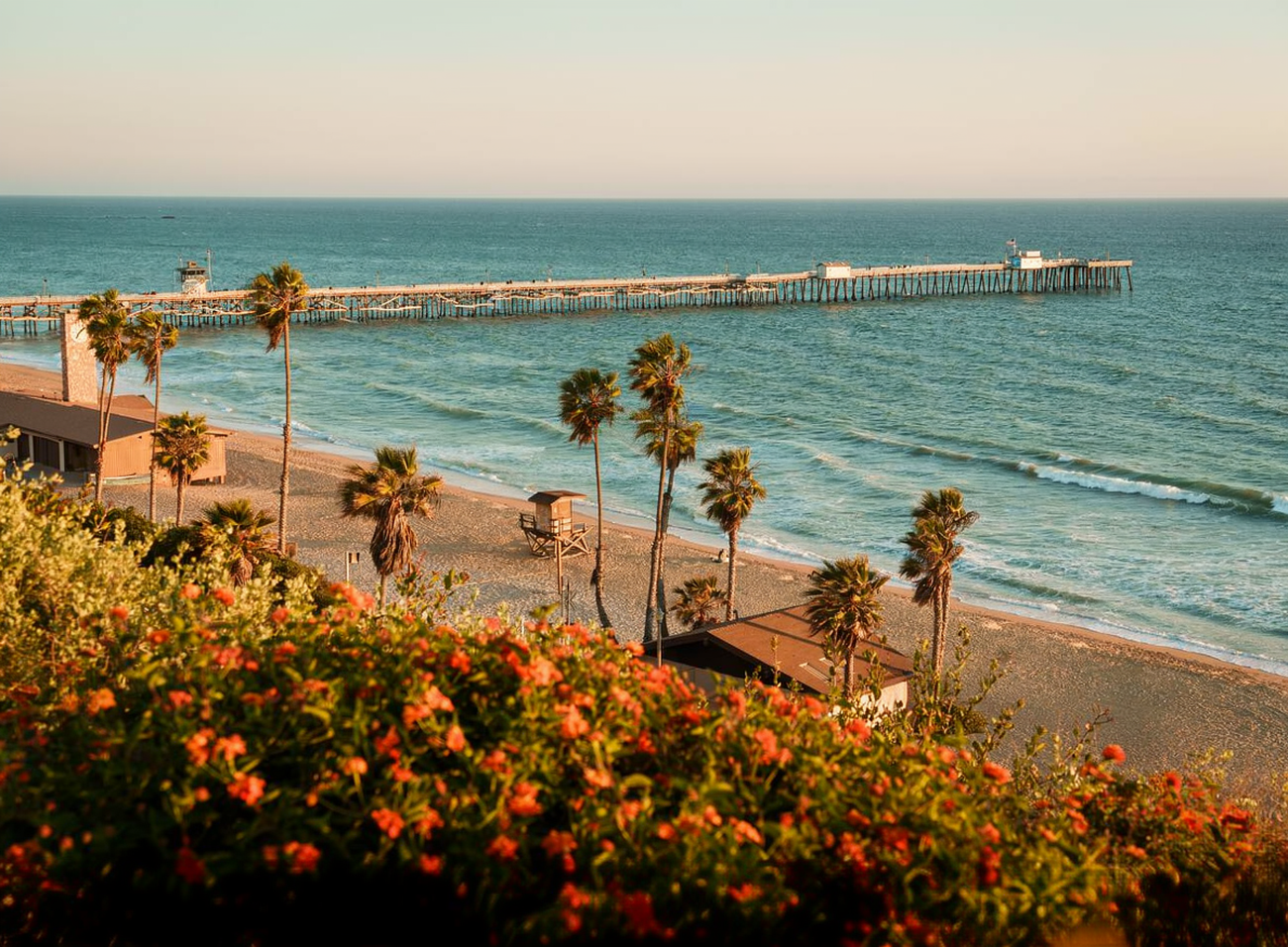
The bluffs that define San Clemente's coast are naturally vulnerable, and in recent years a combination of heavy storms, high surf, and gradual sea level rise has accelerated their erosion. You do not have to take my word for it, because the rail line that runs along the base of these bluffs has become the most visible evidence in Southern California. Since 2021 the San Clemente stretch of the coastal rail corridor has been shut down four separate times by landslides and bluff instability. A 2023 slide dropped part of the terrace and garden at Casa Romantica about twenty feet. Slope movement above the tracks near Mariposa Point in 2024 and again in 2025 forced closures and major emergency stabilization, including a long retaining wall.
This is not a distant or one-time concern. The City of San Clemente's own sea level rise planning has projected on the order of 1.6 to 3.8 feet of additional erosion by around 2070. The honest framing for a buyer is that coastal erosion here is an ongoing condition to be managed and understood, not a freak event that already happened. That understanding is exactly what protects a good purchase.
Risk varies a lot by micro-location
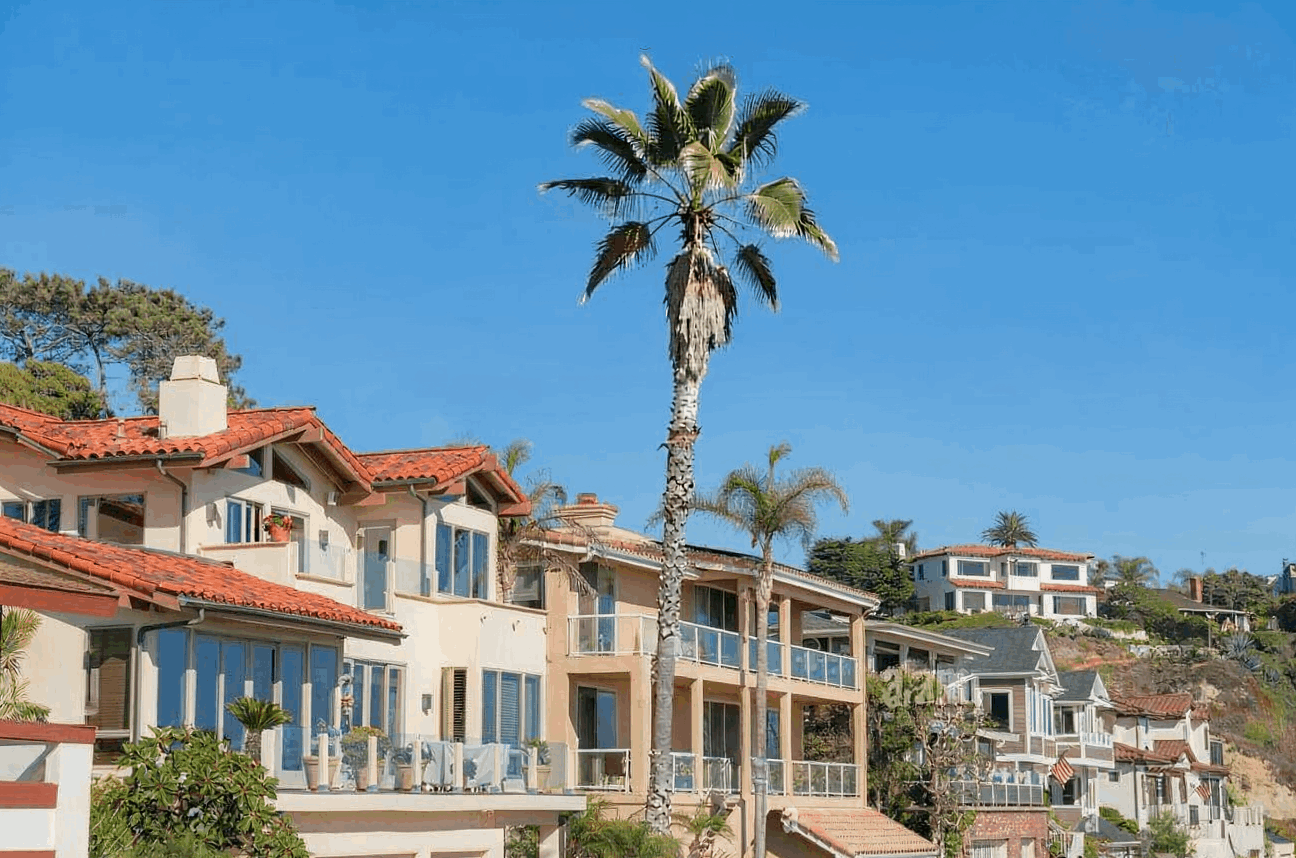
Here is the reassuring part. Not all bluff and hillside homes carry the same exposure, and the differences can be dramatic over a very short distance. Homes in Southwest San Clemente along Paseo de Cristobal and in the Riviera district enjoy sweeping views but can sit close to actively monitored cliff edges. The gated communities of Cyprus Cove and Cyprus Shore benefit from some engineered protection, though it is worth knowing that parts of Cyprus Shore were built over a historic landslide area. Marblehead sits elevated but generally set back farther from the direct cliff edge, which reduces, though does not eliminate, the exposure.
The practical lesson is that micro-location is everything. A home one street inland can offer a nearly identical view with significantly less bluff exposure, and two properties that look similar from the street can face very different geology. This is precisely why the specific parcel, not the general neighborhood, is what you actually need to evaluate.
What slope, soil, and drainage reports reveal
The tools that answer the geology question are geotechnical and drainage reports, and on a bluff or hillside home they matter as much as the inspection. A geotechnical or slope stability report examines the soil type, the presence of expansive soils, the stability of the slope and any slide planes beneath it, and how all of that interacts with the foundation. It turns a beautiful unknown into a documented picture of what the ground is actually doing.
Drainage deserves special attention, because water is the enemy of a bluff. How a home captures and directs its runoff has a direct effect on the stability of the slope below it. This is not theoretical in San Clemente, where drainage from the homes perched atop the bluffs has been cited as a contributor to the very landslides that closed the rail corridor. A bluff-top home's drainage is a question of its own stability and its neighbors', so review the drainage systems and their maintenance history carefully, and take any geotechnical reports the seller can provide as a starting point rather than the last word.
What the rail stabilization does and does not protect
Because the emergency work along the tracks is so visible, buyers sometimes assume it makes the bluffs above safe. It is important to understand that it does not. The riprap, sand replenishment, and catchment and retaining walls along the corridor are engineered to protect the railroad right-of-way from hillside movement, not to stabilize the private slopes and homes above it. In fact, some of the rail closures have been triggered by private property slope failures sending debris down onto the tracks, which underscores that responsibility for a private bluff sits with its owner. A buyer should never treat the public stabilization work as protection for the parcel they are considering.
The insurance reality that catches owners off guard
This is the piece most hillside buyers do not see coming, so read it closely and then confirm the specifics for your situation, since coverage and pricing change. Standard homeowners insurance policies exclude earth movement. That category includes landslide, mudslide, mudflow, subsidence, and sinkholes, and it is treated the same way earthquake is, as a blanket exclusion in virtually every standard policy. A slide that pushes a home off its foundation is generally not covered by a base homeowners policy, and the fact that your lender requires insurance does not mean earth movement is included, because it usually is not.
Coverage for these perils comes through a separate specialized policy, most commonly a Difference in Conditions policy layered on top of the base homeowners policy to add excluded risks like landslide, flood, and earthquake. These policies exist but can be expensive and are priced on factors like slope proximity, soil composition, and local claims history. There are narrow legal exceptions, where a covered event such as a burst pipe sets a slide in motion, but the default a buyer should plan around is exclusion. One more practical point that matters at claim time. Keep dated photographs, any geotechnical or structural engineering reports, and records of drainage and vegetation maintenance, because that documentation often determines whether a loss is judged to fall inside or outside your coverage.
Disclosures and the overlap of hazards
California's disclosure process helps if you use it. The Natural Hazard Disclosure report that accompanies most sales states whether a property sits in a seismic hazard or landslide zone, and you should ask specifically for any geologic or geotechnical reports the seller holds, along with the property's erosion-monitoring status. It is also worth remembering that San Clemente's geography stacks hazards. A single coastal or hillside home can face bluff erosion, slow slope movement, and, in the brush corridors, wildfire risk all at once, and a standard base policy rarely addresses all three. Mapping the full set of hazards for a specific address, rather than only admiring the view, is the core of doing this well.
How to buy a bluff or hillside home with confidence
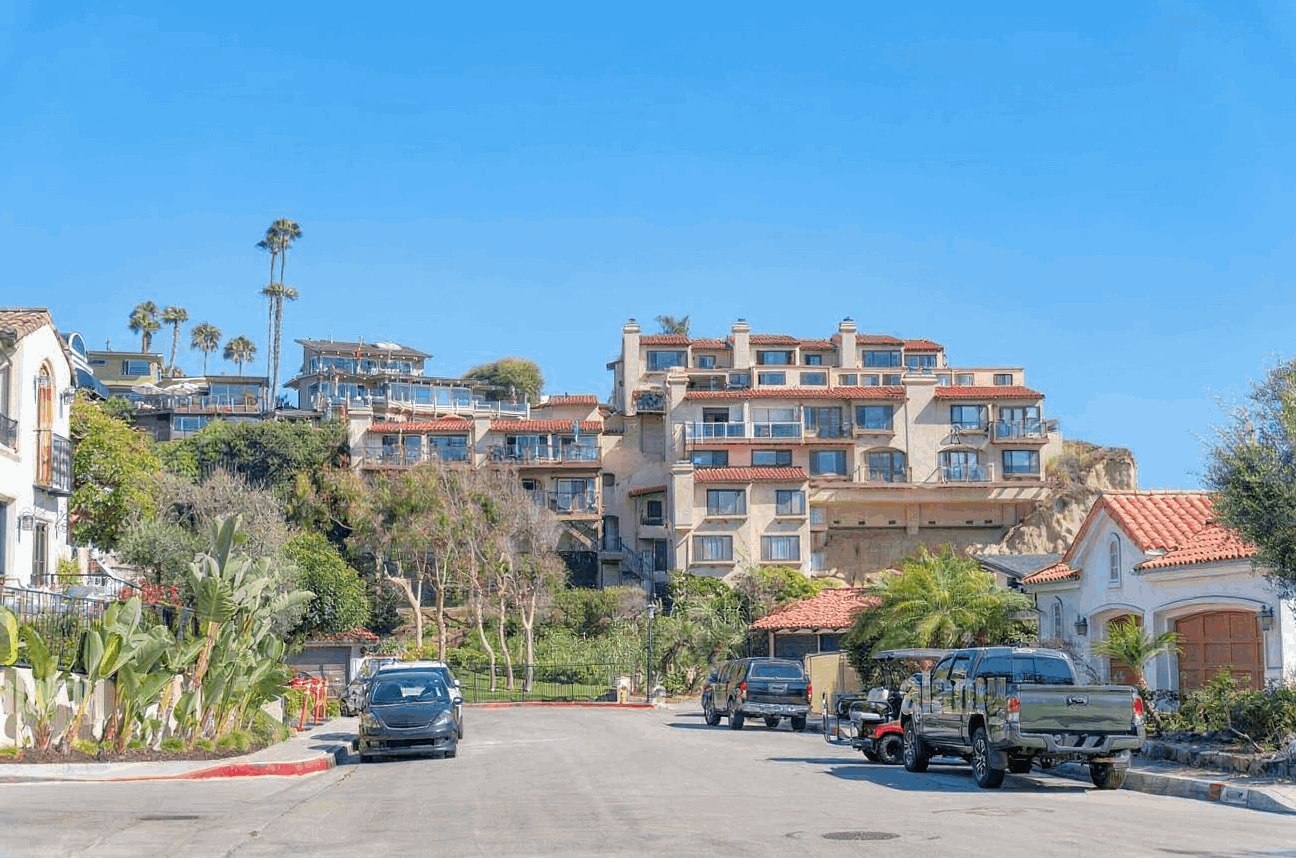
The path through all of this is orderly. Study the micro-location and the parcel's distance from the cliff edge and any known slide areas, since a short move inland can change the exposure entirely. Review or commission a current geotechnical and drainage assessment rather than relying on the view or the seller's reassurance. Learn the property's erosion and landslide history and the condition and Coastal Commission status of any bluff-protection structures, which are heavily regulated. Get an earth-movement or Difference in Conditions insurance quote early, while your contingencies still protect you, so the cost is part of the decision and not a surprise. And keep your documentation from day one. Do those things and a San Clemente bluff or hillside home stops being a beautiful gamble and becomes exactly what it should be, a confident purchase you understand completely.
Quick Facts
| Topic | What buyers should know |
|---|---|
| Active erosion | San Clemente's bluffs are actively eroding. The coastal rail corridor at their base has closed four times since 2021 from landslides and bluff instability |
| Sea level rise | City planning has projected on the order of 1.6 to 3.8 feet of additional erosion by around 2070 |
| Micro-location | Exposure varies sharply. Cliff-edge areas like parts of Paseo de Cristobal and the Riviera carry more risk. Cyprus Shore includes a historic landslide area. Marblehead is generally set back farther |
| Key reports | Geotechnical and slope stability reports cover soil, slide planes, and foundation. Drainage is critical, since bluff-top runoff has contributed to local landslides |
| Rail stabilization | Protects the railroad right-of-way, not the private slopes and homes above. Do not treat it as protection for a specific parcel |
| Insurance | Standard homeowners policies exclude earth movement, including landslide and subsidence, like earthquake. A separate Difference in Conditions policy is the primary way to add coverage |
| Overlap | One home can face bluff erosion, slope movement, and wildfire at once, which a single base policy rarely covers |
Frequently Asked Questions
Are San Clemente bluff homes a bad idea?
Not at all, but they require real due diligence. San Clemente's bluffs are actively eroding, and risk varies sharply by micro-location, so the key is evaluating the specific parcel through geotechnical and drainage review rather than the neighborhood in general. A well-sited, well-maintained bluff home with sound drainage and appropriate insurance can be a wonderful and lasting purchase. The mistake is buying the view without verifying the ground beneath it.
Does homeowners insurance cover landslides in San Clemente?
Generally no. Standard homeowners policies exclude earth movement, which includes landslide, mudslide, and subsidence, in the same way they exclude earthquake. A lender requiring insurance does not mean earth movement is covered, because it usually is not. Coverage for these perils typically comes through a separate specialized policy, most commonly a Difference in Conditions policy, which can be costly and varies by property. Confirm current availability and cost with a licensed broker for the specific address.
What reports should I get for a hillside or bluff home?
At minimum, review or commission a geotechnical or slope stability report that examines soil, slope conditions, any slide planes, and the foundation, along with a careful look at the property's drainage and its maintenance history. Ask for any geologic reports the seller holds, check the Natural Hazard Disclosure for seismic or landslide zones, and confirm the status of any bluff-protection structures. Drainage matters especially, since runoff from bluff-top homes has contributed to local landslides.
Does the rail stabilization work make the bluffs safe?
No. The riprap, sand, and walls along the coastal rail corridor are built to protect the railroad right-of-way from hillside movement, not to stabilize the private slopes and homes above. Some closures have actually resulted from private slope failures sending debris onto the tracks. A buyer should evaluate the stability of the specific parcel independently and never assume the public work protects a private bluff.
A Final Word from Susan Chase
A San Clemente bluff home is one of the most beautiful things you can own on this coast, and it is also the kind of purchase where the homework genuinely protects you. The erosion is real, the geology varies from one parcel to the next, and the insurance rules are not what most buyers assume. Handle those three things well, with the right reports, the right coverage, and a clear look at the specific piece of ground, and the view stops being a risk you are quietly hoping works out and becomes a home you can enjoy with real peace of mind.
I am a Realtor rather than a geologist, engineer, or insurance broker, so please treat this as a guide to the questions rather than professional advice. If you are considering a coastal or hillside home in San Clemente and want help lining up the right experts, reading the reports, and getting the insurance answer before you commit, reach out. You can reach me at the contact below whenever you are ready to talk.
Living in Coastal OC is the editorial home of Susan Chase and the Susan Chase Group at Compass, serving buyers, sellers, and relocations across Laguna Beach, Dana Point, Laguna Niguel, San Clemente, and San Juan Capistrano. For private consultations, neighborhood tours, or relocation guidance, contact us at livingincoastaloc.com.

Susan Chase Group | Compass
Dana Point, California
949-370-6950
susan.chase@compass.com
livingincoastaloc.com
🙋🏼♀️ I’m Susan Chase, your South Orange County Realtor, advisor and guide, helping buyers, sellers, and relocations right-size and find a coastal home and lifestyle they’ll love. ❤️
Sources & Data Verification. San Clemente coastal bluff erosion and landslide activity, including four closures of the San Clemente section of the LOSSAN rail corridor since 2021, the 2023 Casa Romantica slide that dropped part of the terrace and garden about twenty feet, slope movement near Mariposa Point in 2024 and 2025, emergency stabilization including riprap, sand placement, and a retaining wall, and the contribution of bluff-top home drainage to landslide activity: Orange County Transportation Authority coastal rail emergency project materials, City of San Clemente communications, and regional reporting, 2023 to 2026. City sea level rise erosion projections of roughly 1.6 to 3.8 feet by around 2070: City of San Clemente 2019 Sea Level Rise report. Variation of bluff exposure by area, including cliff-edge proximity along Paseo de Cristobal and the Riviera district, engineered protection and historic landslide ground at Cyprus Shore and Cyprus Cove, and the more set-back position of Marblehead: San Clemente coastal real estate references, 2025. That coastal rail stabilization protects the railroad right-of-way rather than private slopes above, and that private slope failures have sent debris onto the tracks: Orange County Transportation Authority project materials. The exclusion of earth movement, including landslide, mudslide, and subsidence, from standard homeowners policies, the role of a Difference in Conditions policy in adding such coverage, the efficient proximate cause exception, and the importance of documentation at claim time: Insurance Information Institute, California Department of Insurance, and San Clemente coastal insurance references. Coastal Commission oversight of bluff-protection structures and the Natural Hazard Disclosure requirement for seismic and landslide zones: California Coastal Commission and California disclosure references. Geotechnical conditions, erosion rates, insurance availability, and coverage terms vary by property and change over time, and this article is educational and not geotechnical, engineering, legal, or insurance advice. Confirm the specific property's geology, drainage, hazard-zone status, and insurance options with qualified geotechnical and structural professionals, a licensed insurance broker, and the relevant agencies before making a purchase decision.
Categories
- All Blogs (154)
- 2026 Harbor & Coast Reports (2)
- Coastal OC Lifestyle (16)
- Guides (11)
- Into the Weekend with Susan (1)
- Living in Dana Point (20)
- Living in Laguna Beach (20)
- Living in Laguna Niguel (19)
- Living in San Clemente (18)
- Living in San Juan Capistrano (17)
- Micro-Market Deep Dives (5)
- Relocation (3)
- Right Sizing Strategy (6)
- Strategic Market Intelligence (17)
Recent Posts



REVIEWS