
What Does It Actually Take to Buy a Home in Coastal South Orange County? A Step-by-Step Guide for 2026

Buying a home in coastal South Orange County step by step buyer guide | Susan Chase Real Estate
The buyers I work with are, almost universally, intelligent and well-prepared people who have done their research. They have browsed listings, read market reports, and often visited the area multiple times before they ever call me. And yet, almost every one of them tells me the same thing once we are through the process: "I had no idea it was this involved."
That is not a failure of research. It is a reflection of how many variables, decisions, and potential surprises live between the moment you decide to buy in coastal South Orange County and the day you receive your keys. This guide is my attempt to lay all of it out clearly, in the order it happens, so you can arrive at each stage prepared rather than reactive.
I specialize in five coastal communities: Dana Point, Laguna Niguel, Laguna Beach, San Clemente, and San Juan Capistrano. Each one has a different market character, a different cost structure, and a different set of considerations that affect every stage of the buying process. I will reference those distinctions throughout. For buyers who want a side-by-side comparison of the communities themselves, my relocation guide at livingincoastaloc.com is a useful starting point.
A well-guided buyer does not just find the right property. They arrive at closing having understood every decision they made along the way.
The 2026 Coastal South OC Buying Process at a Glance
Before walking through each stage, this table gives you a complete overview of the process, what is at stake at each step, and where my role as your advisor is most critical.
|
Stage |
Typical Timeline |
Key Decision |
Biggest Risk |
Susan's Primary Role |
What Separates Good Outcomes |
|
1. Goal-Setting |
Week 1 |
What does success actually look like? |
Unclear or misaligned priorities |
Ask the right questions; listen first |
Clients who articulate their real priorities — not just wish-list features |
|
2. Financing |
Weeks 1–2 |
Lender selection and pre-approval level |
Being pre-approved for the wrong amount or product |
Introduce vetted lenders; review pre-approval parameters |
Matching loan type to property type and community |
|
3. Search & Showing |
Weeks 2–10+ |
Which communities and price tiers to prioritize |
Search fatigue; shifting criteria mid-search |
Filter and narrow; prevent wasted showings |
Staying anchored to original goals through the emotional highs and lows |
|
4. Offer Strategy |
When the right property appears |
Price, terms, and contingency structure |
Overpaying under pressure or losing to a better-structured offer |
Competitive analysis; terms engineering |
Understanding what the seller needs beyond price |
|
5. Due Diligence |
Days 1–17 of escrow |
What to investigate and what to act on |
Undiscovered cost obligations or deferred maintenance |
Coordinate inspections; review disclosures |
Knowing what is worth negotiating and what to accept |
|
6. Conditions to Close |
Days 17–30 of escrow |
Remove contingencies on the right timeline |
Appraisal gaps; loan condition delays |
Keep all parties coordinated and on schedule |
Anticipating problems before they become crises |
|
7. Closing |
Day 30–35 typically |
Final walkthrough; signing; funding |
Last-minute surprises overlooked in closing docs |
Review closing statement; confirm walkthrough findings |
Arriving at the table fully prepared, not just present |
Timelines are general guides and vary by property type, competition level, and loan complexity. Coastal South OC transactions typically close in 30 to 35 days for conventional financing and 45 to 60 days for jumbo products with additional underwriting requirements.
The Coastal Purchase Framework by Susan Chase
Every buyer I represent moves through four phases. I call it the Coastal Purchase Framework: Position, Pinpoint, Pursue, Protect.
Position. Get your financing credible and your priorities clear before you tour. This covers Stages 1 and 2.
Pinpoint. Define the coastal home and community you are actually buying, then judge every property against those goals rather than the emotion of the moment. This is Stage 3.
Pursue. Write an offer that wins on the terms a seller trusts, not on price alone. This is Stage 4.
Protect. Verify everything through due diligence before your contingencies come off, then close calm. This covers Stages 5 through 7.
In a coastal market this competitive, the buyer who wins is rarely the one who bids highest. It is the one who is ready to move with clarity when the right home appears. Susan Chase
Stage 1: The First Conversation — Setting Goals That Actually Guide the Search
The first meeting I have with a buyer is not a tour of homes. It is a conversation about what you are actually trying to accomplish, and it usually takes longer than buyers expect.
Most buyers come in with a features list: number of bedrooms, number of bathrooms, whether they want a pool, how close to the water they need to be. Those details matter, but they are not the foundation of a good search strategy. The real questions are about lifestyle and life stage.
What I Am Listening For
How you plan to actually use this home on a daily basis is more important than any single feature. Whether you will be commuting and need freeway access, whether you entertain regularly and need a functional indoor-outdoor layout, whether you have school-age children with specific program needs, whether a stairs-free single-level plan matters now or will matter in five years. These are the questions that shape where we should be looking and what we should be prioritizing.
I am also listening for any timeline pressures, because timing affects strategy. A buyer who has already sold their previous home and is in temporary housing is making different decisions than a buyer planning a twelve-month relocation. Both approaches are valid. They require different levels of urgency in offer construction.
Susan's Framework: Before we look at a single property, we establish three things in writing: what does success look like in five years, what would you genuinely regret, and what is non-negotiable versus simply preferred. That distinction carries us through every hard moment in the search.
Community selection is part of this first-stage conversation. Dana Point, Laguna Niguel, Laguna Beach, San Clemente, and San Juan Capistrano are genuinely different in character, price profile, and lifestyle. Understanding the real differences between them before the search begins prevents wasted time and disappointment. My guide to the best neighborhoods in Dana Point is one starting point; the other community pages at livingincoastaloc.com cover each city in depth.
Stage 2: Financing — Get This Right Before You Fall in Love with a Property
Nothing derails a coastal South OC purchase faster than financing that was set up incorrectly at the start. I am not a lender, and I am not giving mortgage advice. But I have watched enough transactions fall apart at the appraisal, at underwriting, or at the closing table to know what questions to ask before we begin touring properties.

In coastal South OC, a fully underwritten pre approval from a local jumbo lender carries more weight with sellers than a quick online pre qualification.
Why Pre-Approval in This Market Is Not Optional
In coastal South OC, essentially every well-priced property at any significant price point will receive multiple offers. Sellers and their agents take your offer seriously when your financing is clean and documented. A pre-qualification letter from an online lender is not the same as a fully underwritten pre-approval from a local lender who specializes in jumbo mortgages. In the $1.5 million to $3 million range that represents much of this market, you need the latter.
Jumbo loan thresholds and product variation are particularly relevant in coastal South OC. Many properties here will exceed conventional loan limits, which means your lender and loan product selection affect not just your interest rate but your qualification criteria, your required reserves, and your appraisal process. A lender who primarily processes conforming loans at lower price points is not the right partner for a Dana Point or Laguna Beach transaction.
What I Look For in Your Financing Before We Tour
- Pre-approval issued by a lender who has done jumbo transactions in coastal OC, not just generic pre-qualification
- Clarity on whether the loan is a portfolio product, conventional jumbo, or government-backed, because each affects how we structure offers
- A realistic conversation about required down payment relative to the target price tier and whether reserves exist beyond the down payment
- Confirmation that the lender has reviewed pay stubs, tax returns, and asset statements in advance, so there are no surprises at underwriting
The buyers who close on the homes they want in this market are not always the ones with the most money. They are the ones whose financing is the most credible and cleanest when the seller's agent calls to verify
Stage 3: The Real Work of House Hunting — What Open Houses Do Not Tell You
House hunting is the stage buyers often look forward to most and find most frustrating in practice. The gap between a property on a screen and a property in person is significant. The gap between how a home presents at an open house and what it actually is as a long-term investment is even larger.
The Problem with Open Houses as a Search Strategy
Open houses are a marketing tool for sellers. They are designed to present the property in its best light, at the time of day when the light is most flattering, with agents whose job is to create emotional engagement. None of that is dishonest, but it is incomplete. The things that matter most to long-term ownership are rarely visible at an open house.
The slope of the lot and drainage around the foundation. The age and condition of the HVAC system. Whether the roof has had any work done and when. Whether there are any active permits or unpermitted additions. The noise level from the street or neighbors at 7am on a Tuesday. None of these will come up in open house small talk.
How I Run a Showing for a Serious Buyer
When I take a client through a property they are genuinely considering, we are doing something closer to a preliminary assessment than a tour. I am walking the perimeter, looking at drainage, examining the roof line, opening cabinet doors to check for moisture, running taps to check water pressure, and looking at the panel. I am reading the seller's disclosures before we arrive, not after.
I am also paying attention to the neighborhood at that specific location, which varies meaningfully even within the same community. A Monarch Beach address and a Monarch Beach address with a freeway wall two streets back are very different propositions. I have written a detailed guide to the Monarch Beach and Monarch Bay community for buyers who are evaluating that area, and similar community-specific guides exist across the markets I cover.
Managing Search Fatigue
Search fatigue is real and it is one of the most common causes of poor buying decisions. Buyers who have been searching for six or eight months without finding what they want sometimes make an offer on a property not because it is right but because they are exhausted and want the search to be over. I have seen it happen to sophisticated buyers who would never describe themselves as impulsive.
My role in the search phase is to keep you anchored to the goals we established in our first conversation. When we are on showing number thirty-seven and a property is generating excitement even though it is missing two of your non-negotiables, my job is to name that clearly before it becomes an offer.
A Useful Discipline: After each showing, I ask buyers to rate the property against the original priority list — not their emotional reaction in the moment. Those two things are often not the same, and the distance between them is where regret lives.
For buyers who are relocating from Los Angeles or the Bay Area, there is an additional layer of community orientation that matters before the search narrows too far. I have covered that transition specifically in my guide to moving to Dana Point and Laguna Niguel from LA or the Bay Area, which addresses the real adjustment factors that search listings do not capture.
Stage 4: Building an Offer That Wins Without Overpaying
When the right property appears, buyers typically feel one of two things: urgency driven by excitement, or uncertainty driven by fear of overpaying. Both impulses are understandable. Neither is a good basis for offer construction.
What a Competitive Offer Analysis Actually Involves
Before we write a number, I build a comparative market analysis specific to the property you are considering. That analysis looks at what has actually closed in the surrounding area within the relevant time window, what those properties looked like in terms of condition and features relative to the subject property, how long the current listing has been on the market, and what the listing agent's history tells us about how the sellers have priced and negotiated previously.
Price is one variable in an offer. In coastal South OC, terms often matter as much or more. Sellers of high-end coastal properties are not always primarily motivated by the highest number. They may need a specific close date. They may want the flexibility of a rent-back period. They may have concerns about a buyer's ability to perform that a larger down payment or a shorter inspection period can address. Understanding what the seller needs — not just what the market says the property is worth — is how offers win in competitive situations.
Contingency Strategy in the Current Market
In 2026, the contingency conversation is nuanced. Writing an offer with no contingencies is not always the right move, and it is certainly not always necessary to win. What matters is writing contingencies with clear timelines that demonstrate seriousness and credibility, not open-ended language that signals hesitation.
A well-constructed offer with a fourteen-day inspection contingency from a pre-approved buyer with a clean financial package frequently outperforms a non-contingent offer from a buyer whose financing is uncertain. Sellers' agents know this, and experienced listing agents will tell their sellers the same.
The goal is not to write the most aggressive offer on paper. The goal is to write the offer the seller is most confident will actually close — and to make sure that offer also reflects what the property is genuinely worth.
Stage 5: Due Diligence — What You Must Verify Before You Remove Contingencies
The due diligence period is the most important stage of the transaction and the one buyers most commonly underuse. You have contractual rights during this window. You have the ability to ask questions, demand information, and negotiate based on what you find. Once you remove your contingencies, those rights are largely gone.
The Inspection Layer
A standard home inspection is necessary but not sufficient for most properties in this market. Depending on the property type, age, and location, additional inspections may include a sewer lateral inspection, a roof inspection by a specialist beyond what the general inspector assesses, a chimney inspection, a pool and spa inspection if applicable, and in areas with hillside grading, a geological assessment.
I coordinate all of these inspections during the due diligence window and I am on-site for the general inspection with my clients. What an inspector observes in person and what ends up in a written report are sometimes different in emphasis, and being present to hear the verbal walkthrough matters.

The due diligence window is where a coastal purchase is protected, from inspections to HOA financials to the exact Mello-Roos assessment on the parcel.
The Financial Layer: Mello-Roos, HOA, and True Cost of Ownership
One of the most common sources of buyer surprise in coastal South OC is discovering cost obligations that were not immediately visible in the listing price. Mello-Roos Community Facilities District assessments can add $4,000 to $12,000 or more per year to the property tax bill depending on the community and parcel. HOA fees in gated communities can add another $300 to $750 per month. I cover these in detail in a dedicated guide because they vary so significantly across communities — from Talega in San Clemente to Pacifica San Juan in San Juan Capistrano to the older communities in Laguna Niguel where Mello-Roos may be minimal or expired.
Before You Remove Contingencies: You should have reviewed: the full property inspection report, all seller disclosures, the Natural Hazard Disclosure, the preliminary title report, the current full tax bill including all special assessments, the HOA financial documents including reserve fund adequacy, and any active permits or open work orders. This is not a checklist to rush.
For a complete walkthrough of the due diligence process specific to coastal South OC buyers, see my 2026 buyer due diligence guide for South Coastal Orange County. That guide covers every document category and what you are looking for in each.
Negotiating Based on Findings
When inspections or disclosures reveal material issues, buyers have three options: request a credit, request repairs, or accept the property as-is with a clearer understanding of what you are taking on. The right choice depends on the issue, the market temperature, and how much you want this specific property.
My role is to give you an honest assessment of what is worth negotiating and what is likely to create friction without a meaningful return. Not every finding warrants a request. But every finding that creates a material cost or risk should be addressed before contingencies come off.
Stage 6: From Acceptance to Closing — Managing the Final Stretch
Once contingencies are removed, you are in the final stretch — but this is not the time to stop paying attention. The period between contingency removal and closing is where transactions encounter the problems that could have been anticipated with more vigilance.
What Happens in the Final Weeks
Your lender will be completing final underwriting and ordering the appraisal if it was not done earlier in escrow. The title company is preparing the final title report and coordinating the closing statement. Your agent should be tracking every deadline and communicating with the listing agent, the lender, and the escrow officer to make sure nothing is falling behind.
Appraisal gaps are one of the most common sources of friction in the final weeks of escrow in coastal South OC. Luxury properties are harder to appraise accurately than median-priced homes because comparable sales are less frequent and appraiser familiarity with specific coastal sub-markets varies considerably. If an appraisal comes in below the contract price, there are options — negotiation, buyer makes up the gap, or a review of the appraisal — but each requires clear-headed analysis rather than panic.
The Final Walkthrough
The final walkthrough is not a formality. It is your last opportunity to confirm that the property is in the same condition it was when you went into contract, that any agreed-upon repairs were completed, and that nothing has changed since your last visit. I treat every final walkthrough as a real inspection, not a five-minute courtesy.
It is worth noting specifically: all personal property that was supposed to convey should still be present. All items that were supposed to be removed should be gone. Any appliances included in the sale should be tested. If something is wrong at the walkthrough, you have the right to delay closing until it is addressed.
Reviewing the Closing Disclosure
Your Closing Disclosure arrives three business days before the scheduled close. Review it carefully against the Loan Estimate you received when you applied. Fees should not have changed materially. If anything looks different or unfamiliar, ask before you sign. Every line item on that document has an explanation, and you are entitled to understand every one of them.
Stage 7: Closing Day — And What Good Preparation Actually Looks Like
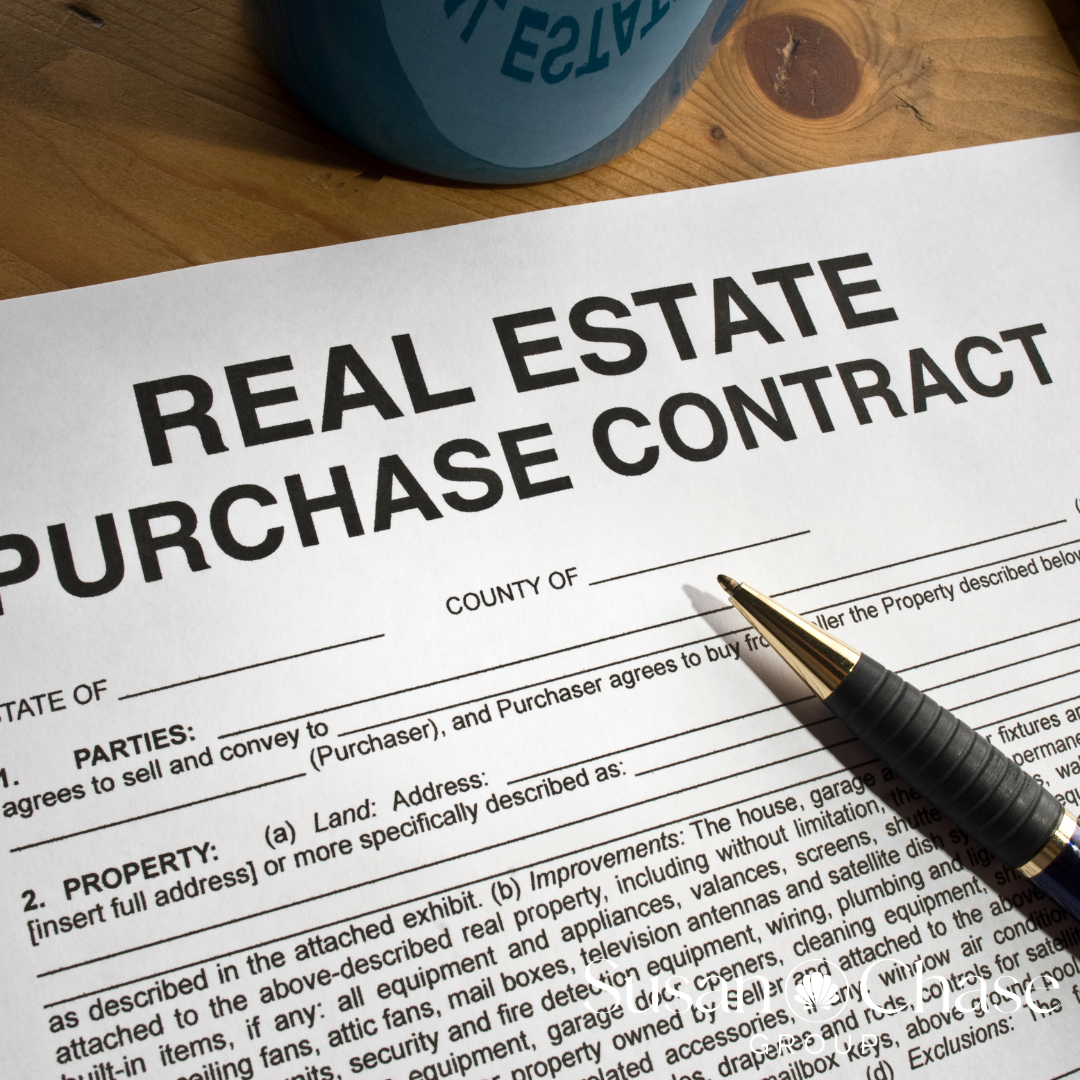
For buyers who have been well-prepared at every prior stage, closing day should be calm. The decisions are behind you. The documents reflect agreements that were negotiated weeks ago. The financial figures are ones you have reviewed and confirmed. When buyers tell me closing felt anticlimactic, I take that as a sign the process worked.
What you are signing at closing is a set of documents that transfer title, establish your loan terms, and record the transaction. The signing appointment typically takes 45 to 90 minutes. Your escrow officer will walk you through each document. Read what you are asked to sign. If anything is unclear, ask before you sign it.
Funding and recording typically happen on the same day for California transactions, though it depends on your lender and the county recorder's schedule. Once the deed records, the transaction is complete and the property is yours.
The best closings are the ones where nothing that happens that day is a surprise. That level of preparation does not happen by accident. It is the result of every conversation, every decision, and every piece of due diligence that came before.
For sellers who are also navigating the transaction process from the other side, I have written a specific guide to the strategic considerations at Thinking of Selling in Dana Point: Start With These Five Questions.

Frequently Asked Questions
How long does the buying process typically take in coastal South Orange County?
From the first substantive conversation to closing, most buyers in coastal South OC spend four to twelve weeks in active search before finding the right property. Buyers who come in well-prepared on financing and with clear priorities tend to be on the shorter end of that range. The escrow period after an accepted offer is typically 30 to 35 days for conventional financing and 45 to 60 days for more complex jumbo products.
Do I need a buyer's agent in this market, or can I work directly with listing agents?
Working directly with the listing agent creates a dual-agency situation in which that agent represents both you and the seller. In a market where properties can transact well above list price and due diligence has significant financial implications, having a dedicated advisor whose only obligation is to your interests is meaningful protection. The listing agent's legal duty is to the seller first.
What is the biggest mistake buyers make when purchasing in coastal South OC?
The most common costly mistake is not understanding the true cost of ownership before making an offer. In communities like Talega in San Clemente, Pacifica San Juan in San Juan Capistrano, and newer sections of Laguna Niguel, Mello-Roos assessments can add thousands of dollars per year to the annual carrying cost. HOA fees in gated and master-planned communities add further monthly obligations. Buyers who focus only on the purchase price and the base mortgage payment often encounter budget surprises that were entirely preventable.
How do I know when I have found the right property versus settling from search fatigue?
The distinction is whether the property meets your original non-negotiables or whether you have started mentally reclassifying non-negotiables as preferences because you are tired of searching. If you find yourself saying "we can live with" things that were on your original must-have list, that is worth pausing over. A useful test: can you describe why this specific property serves your actual life better than continuing the search? If the honest answer is no, the search should continue.
What should I expect to pay in total transaction costs beyond the purchase price?
Closing costs for a buyer in California typically run approximately 1% to 2% of the purchase price for lender fees, title insurance, escrow fees, and prepaid items like homeowners insurance and prepaid interest. At the luxury price points common in coastal South OC, that represents a material figure that belongs in your budget planning from the start. Your lender is required to provide a Loan Estimate within three business days of application that will itemize these costs specifically.
Is 2026 a good time to buy in coastal South OC?
That question requires a personal analysis, not a market generalization. I have published a specific look at market timing considerations in my guide to whether now is a smart time to buy in Dana Point or wait. The short answer is that market timing should be one input in your decision, not the primary driver — particularly for buyers with a long-term ownership horizon in a supply-constrained coastal market.
Ready to Begin the Process?
Every buyer's situation is different. Some are ready to move quickly. Others are in early research mode and want a clear picture of how the process works before committing to a search. I am glad to have either conversation.
You can learn more about my approach to buyer representation, get a sense of the current market across all five coastal communities, or schedule a consultation directly at www.livingincoastaloc.com. If you are considering selling your current home as part of this transition, a free home valuation is available at livingincoastaloc.com/evaluation. Find me on Instagram at @susanchasecoastaloc or book time directly at calendly.com/susan-chase-1/real-estate-consultation.

Susan Chase Group | Compass
Dana Point, California
949-370-6950
susan.chase@compass.com
livingincoastaloc.com
🙋🏼♀️ I’m Susan Chase, your South Orange County Realtor, advisor and guide, helping buyers, sellers, and relocations right-size and find a coastal home and lifestyle they’ll love. ❤️
External Authority Resources
California Association of Realtors — Home Buyer Resources — State-required disclosure requirements, buyer rights, and standard contract guidance for California real estate transactions.
Consumer Financial Protection Bureau — Mortgage Process Guide — Step-by-step guidance on the mortgage application, loan estimate, and closing disclosure process.
Orange County Treasurer-Tax Collector — Property Tax and Special Assessments — Look up current tax bills including Mello-Roos and CFD assessments for any specific parcel in Orange County before making an offer.
Capistrano Unified School District — School boundaries, enrollment, and program information for Dana Point, San Clemente, San Juan Capistrano, and portions of Laguna Niguel.
Susan Chase Resources
2026 Buyer Due Diligence Guide for Coastal South OC
Is Now a Smart Time to Buy in Dana Point or Wait for 2027?
Best Neighborhoods in Dana Point 2026
Categories
- All Blogs (160)
- 2026 Harbor & Coast Reports (3)
- Coastal OC Lifestyle (16)
- Guides (17)
- Into the Weekend with Susan (1)
- Living in Dana Point (20)
- Living in Laguna Beach (20)
- Living in Laguna Niguel (19)
- Living in San Clemente (18)
- Living in San Juan Capistrano (17)
- Micro-Market Deep Dives (5)
- Relocation (3)
- Right Sizing Strategy (6)
- Strategic Market Intelligence (17)
Recent Posts








REVIEWS