
The Truth About Parking in Laguna Beach: Permits, Myths, and the Resident Reality
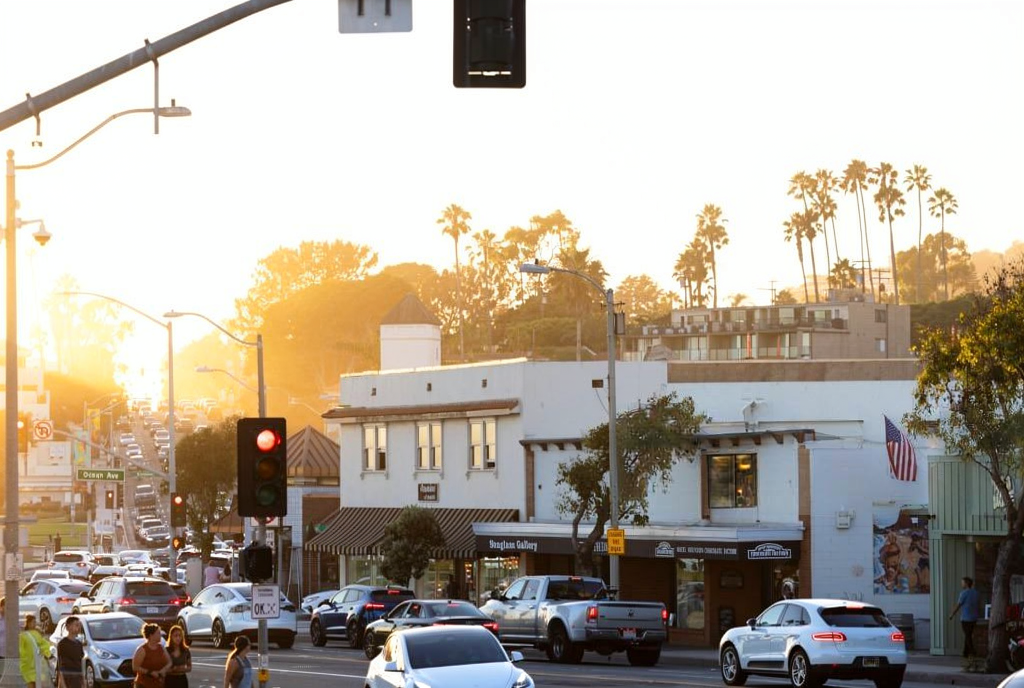
For visitors on a summer festival weekend, yes, parking downtown and near the beaches is tight. For residents, it is a different experience. Most homes have a garage or driveway, the city runs a resident permit program, and a free summer trolley takes the pressure off the busiest weeks. The worry is mostly about peak days, not daily life.
It comes up almost every time. A buyer falls for Laguna Beach, the light, the coves, the village on foot, and then someone says it. But the parking. You can never park down there. It is the objection that arrives faster than almost any other, usually from a person remembering a Saturday in July when they circled the lot by Main Beach for twenty minutes and gave up. That memory is real. It is also not what living here is like.
The honest answer is that Laguna Beach parking is two completely different things depending on who you are and when you are looking. There is the summer-visitor crunch, concentrated downtown and at the beaches during festival season, and there is everyday resident life, which for most homeowners barely resembles it. Confusing the two is what turns a manageable detail into a dealbreaker.
This piece separates the two. It explains how the city's permit program works, walks through which neighborhoods make a car genuinely easy and which ask for a little planning, and answers the worry honestly rather than waving it away. Parking is worth understanding before you buy here. It is rarely worth fearing.
Myth one: You can never park
The myth
Parking in Laguna Beach is impossible, so owning a home here means a daily fight for a spot.
The reality
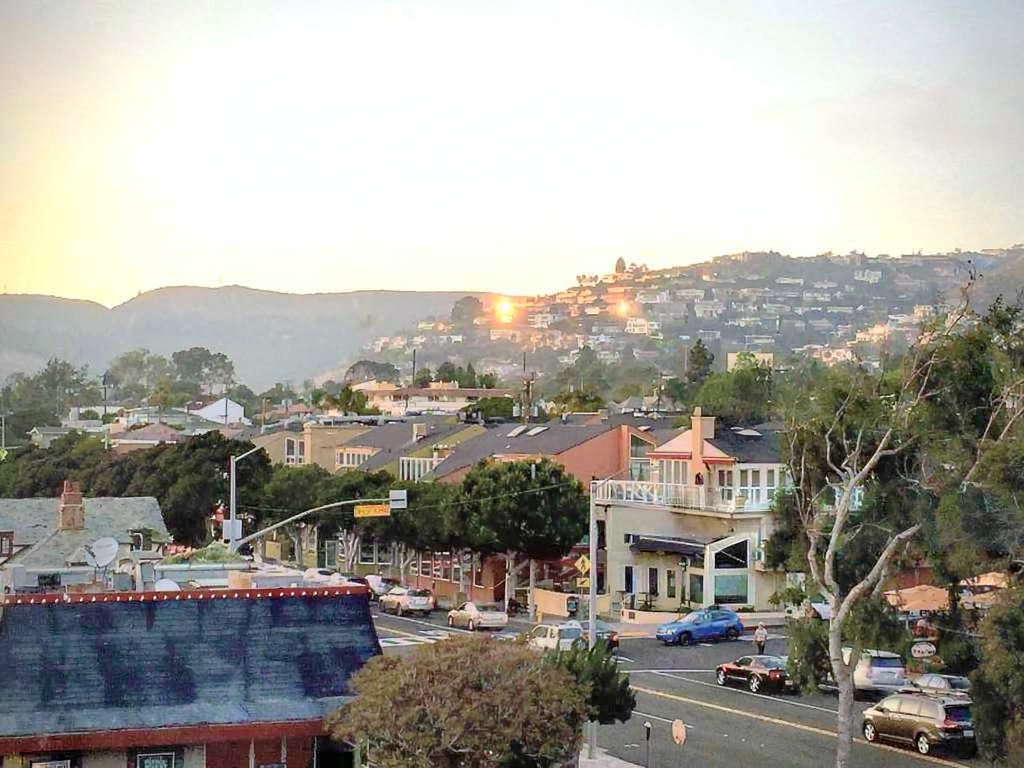
The reputation is built almost entirely on peak visitor days in a few specific places. On a summer weekend, the public lots and the on-street spaces nearest Main Beach, the village core, and the festival grounds genuinely fill, because the whole region is trying to be in the same few blocks at once. That is real, and it is the experience most non-residents remember.
Daily resident life is a different picture. The great majority of Laguna Beach homes come with a garage, a carport, or a driveway, so a resident parks at home rather than competing for a public space. The pressure that visitors feel is concentrated in the commercial and beachfront core during a handful of peak periods, not spread evenly across the residential hillsides and canyons where most people actually live. For a homeowner with off-street parking three blocks up the hill, the summer crunch is something they read about rather than live.
How the permit program works
Laguna Beach runs a structured permit system, and understanding it removes most of the mystery. The city offers several permit types aimed at different users, and the one that matters most to a homeowner is the residential permit, intended for residents who live downtown or adjacent to Coast Highway, where on-street parking is tightest. It is the tool the city uses to protect those dense, close-in streets for the people who live on them.
Other permits round out the system for other needs. There are permits for residents of the school district who live outside city limits, shopper permits for the public lots in the non-summer season, non-resident senior permits, and downtown employee permits. The details, fees, and exact terms are set by the city and adjusted periodically, so a buyer focused on a downtown or Coast Highway-adjacent home should confirm the current residential permit rules for that specific street as part of due diligence.
Myth two, the summer crunch is year-round
The myth
The parking nightmare people describe is simply what Laguna Beach is like all the time.
The reality
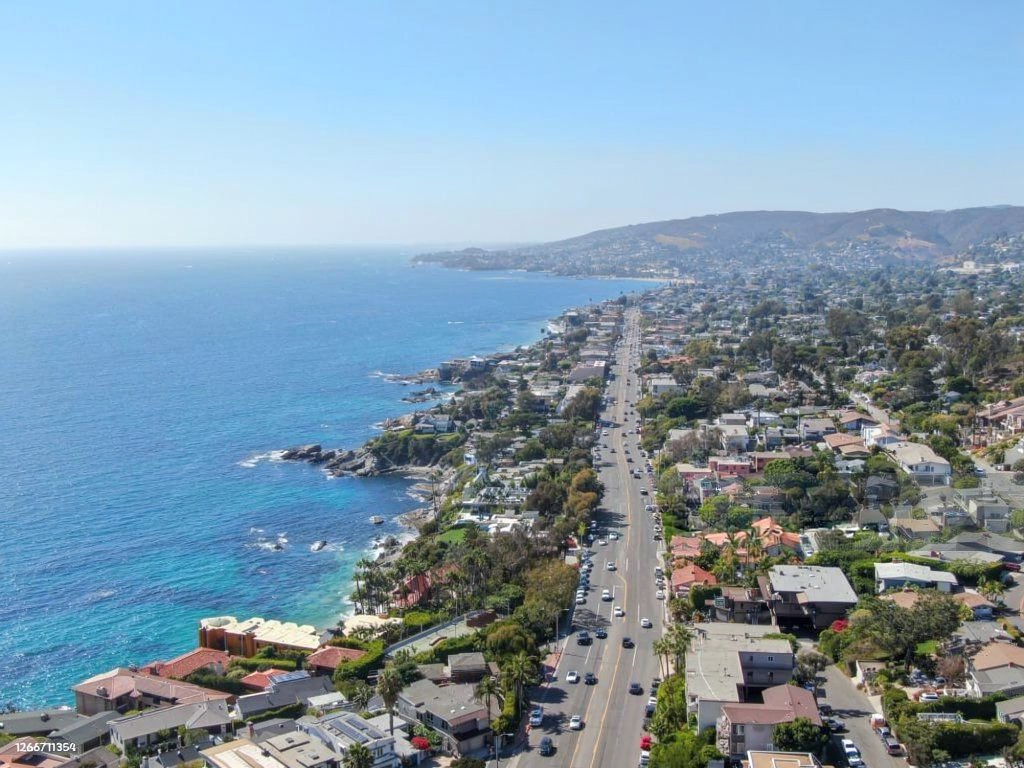
The crunch is seasonal, and the city manages it as a season. Laguna Beach shifts into summer parking mode for the festival stretch that runs roughly from late June through Labor Day, when the Festival of Arts, the Pageant of the Masters, and the Sawdust Art Festival draw visitors from across the region. During that window the city moves to summer parking rates and extends enforcement hours later into the evening, all of it concentrated around downtown, the beaches, and the festival grounds in Laguna Canyon.
Outside that window, the pressure eases markedly. From the day after Labor Day through late June, the public lots and meters return to off-season patterns, and even the busiest downtown blocks become far more manageable. A resident's year is mostly the calm three seasons, with a busy summer they learn to navigate. The festivals that drive the crunch are also part of what makes living here special, a connection I explore in my guide to the Laguna Beach Arts District.
The trolley, the local workaround
The single most underused piece of the Laguna Beach parking puzzle is the one locals rely on most in summer. The city runs a free summer trolley with several routes covering the canyon and the coast, designed specifically to keep cars out of the downtown core during the busy season. There are also peripheral parking lots on the edges of the city, including lots near the festival grounds and at the entrance to the canyon, where you can leave the car and ride in.
For residents, this changes the summer math entirely. Rather than driving into the village on a festival Saturday and hunting for a space, the move is to park once at home or at a peripheral lot and let the trolley do the rest. The visitors who complain about parking are usually the ones who did not know about the trolley. The locals who love their summers here are usually the ones who did.
Which neighborhoods make it easy to drive a car
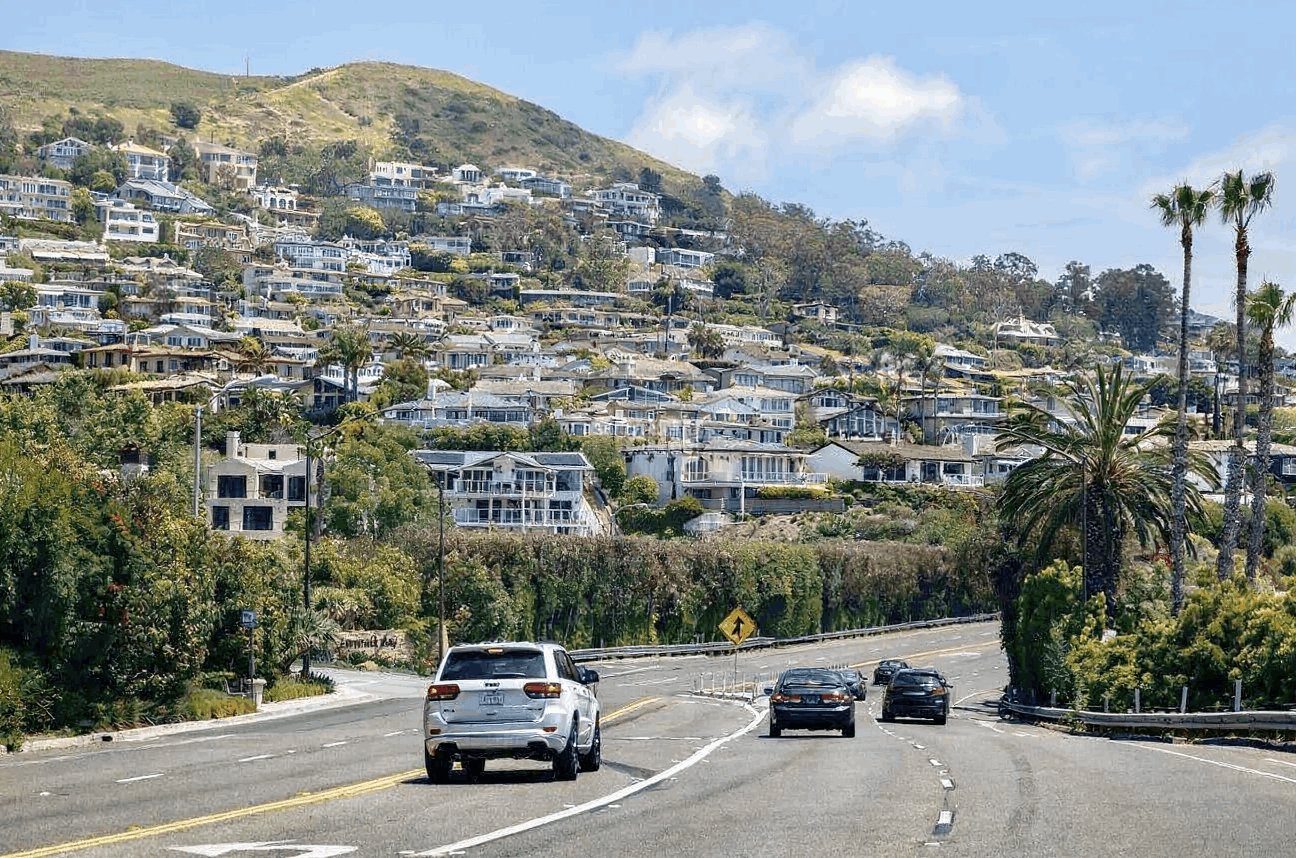
This is where a buyer should focus, because the parking experience varies more by neighborhood than by city. Where you buy largely determines whether parking is a non-issue or a thing you plan around.
- Hillside and canyon homes. The majority of Laguna's residential streets sit above and behind the village, and homes here typically have garages and driveways. For these owners, parking is essentially a non-issue year-round, and the summer crunch happens somewhere they choose to visit rather than where they live.
- North Laguna and the gated enclaves. Homes in the prime northern enclaves and most established residential pockets come with their own off-street parking, so daily life does not touch the public-lot competition at all.
- Downtown and Coast Highway-adjacent streets. This is where on-street parking is tightest and the residential permit matters most. A home here can be wonderful for walkability, but a buyer should confirm exactly what off-street parking the property includes and how the permit situation works on that block.
- Beach-cove-adjacent streets. The closer a street sits to a popular beach access, the more visitor pressure it sees in summer. Lovely to live on, worth understanding the seasonal pattern before you buy.
The pattern is simple. The further a home sits from the downtown core and the busiest beach accesses, and the more off-street parking it has, the less parking will ever be on your mind. The closer in and the more walkable, the more a little planning and a permit become part of the deal. Neither is wrong. They are different lifestyles, and the cove-by-cove character of the city shapes both, as I map in my cove-by-cove pricing guide.
| The core issue | Visitor pressure concentrated downtown, at the beaches, and at the festival grounds during peak summer days |
|---|---|
| Resident reality | Most homes have a garage, carport, or driveway, so residents park at home rather than competing for public spaces |
| Residential permit | For residents who live downtown or adjacent to Coast Highway, where on-street parking is tightest |
| Other permits | School district, shopper, non-resident senior, and downtown employee permits round out the program |
| Summer season | Roughly late June through Labor Day, with summer rates and extended enforcement hours during festival season |
| Off-season | Day after Labor Day to late June, when lots and meters ease back to off-peak patterns |
| The local workaround | A free summer trolley with multiple routes, plus peripheral lots on the city's edges |
| Easiest neighborhoods | Hillside, canyon, and gated homes with off-street parking. Tightest, downtown and Coast Highway-adjacent streets |
What to check before you buy
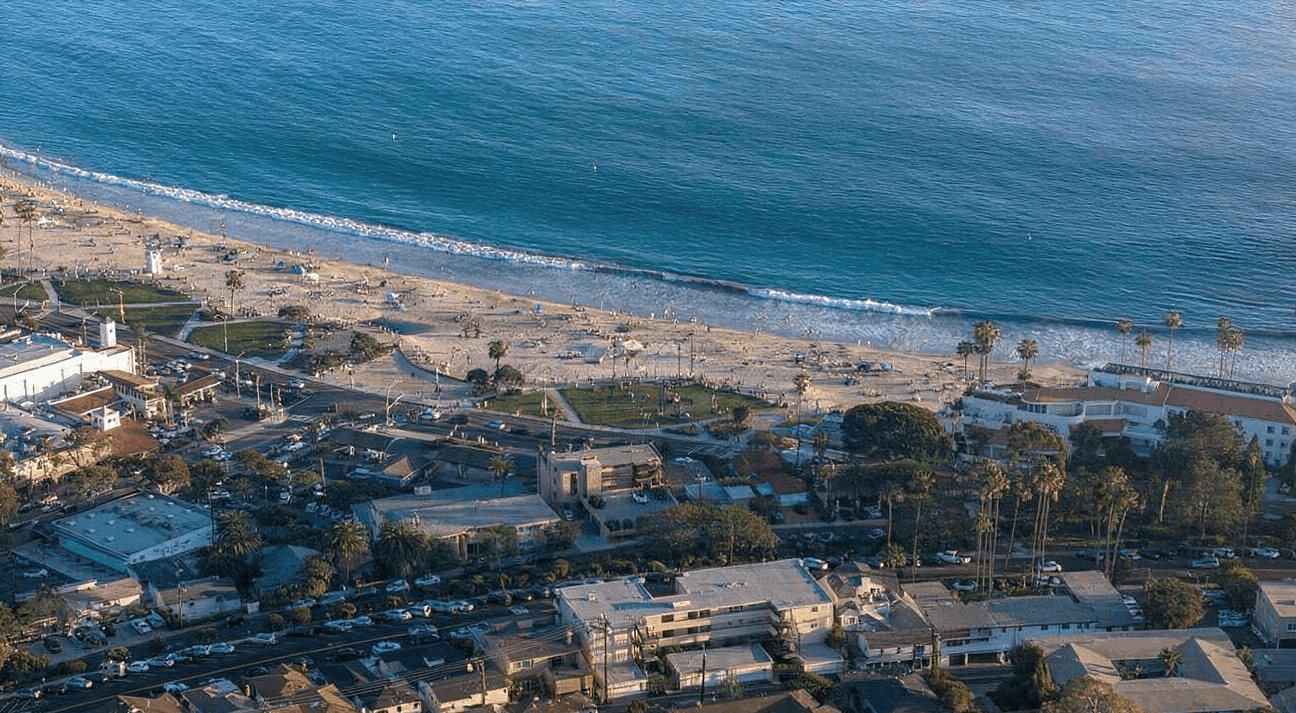
If parking is on your mind, a short checklist settles it for any specific home. Confirm exactly what off-street parking the property includes, the garage spaces, the driveway, and whether any of it is shared. For a downtown or Coast Highway-adjacent home, confirm the residential permit rules and the realistic on-street situation for that block, ideally by visiting on a summer weekend rather than a quiet winter Tuesday. And note how close the home sits to a popular beach access or the festival grounds, since that proximity, lovely as it is, drives the seasonal pressure.
Do that, and parking stops being a vague fear and becomes a known quantity, the same way every other feature of a home does. Most buyers who run this check discover the worry was inherited from a visitor's bad afternoon, not from the life they would actually live here.
Frequently asked questions
Can residents park easily in Laguna Beach?
For most residents, yes. The majority of homes have a garage, carport, or driveway, so daily parking happens at home rather than in the public lots that visitors compete for. The tightest situations are on downtown and Coast Highway-adjacent streets, where the city's residential permit program helps protect on-street parking for residents.
How does the Laguna Beach residential parking permit work?
The residential permit is intended for residents who live downtown or adjacent to Coast Highway, the areas where on-street parking is tightest. The city also offers school district, shopper, senior, and employee permits for other users. Fees and terms are set by the city and change periodically, so confirm the current rules for a specific street before relying on them.
Is parking in Laguna Beach bad all year?
No. The crunch is seasonal, concentrated in the festival stretch from roughly late June through Labor Day, when summer rates and extended enforcement hours apply around downtown, the beaches, and the festival grounds. From after Labor Day through late June, parking is far more manageable, even in the busier areas.
How do locals handle Laguna Beach parking in summer?
Many rely on the free summer trolley, which runs several routes through the canyon and along the coast to keep cars out of the downtown core, along with peripheral lots on the city's edges where you can park once and ride in. Residents with off-street parking at home simply avoid the busiest areas by car during peak days.
Which Laguna Beach neighborhoods are easiest for parking?
Hillside, canyon, and gated homes that come with garages and driveways make parking essentially a non-issue year-round. The tightest spots are downtown and Coast Highway-adjacent streets, which trade easy parking for walkability. Before buying close in, confirm the home's off-street parking and the permit situation on that block.
The Final Word from Susan Chase
Parking is the worry buyers bring to Laguna Beach most often, and it is almost always borrowed from a visitor's summer afternoon rather than a resident's actual life. The crunch is real, seasonal, and concentrated in a few blocks. Daily life, especially in a home with a garage up the hill, looks nothing like it. Buy with your eyes open about the specific street and the off-street parking, lean on the trolley in summer, and the objection that arrives faster than any other tends to quietly disappear.
Living in Coastal OC is the editorial home of Susan Chase and the Susan Chase Group at Compass, serving buyers, sellers, and relocations across Laguna Beach, Dana Point, Laguna Niguel, San Clemente, and San Juan Capistrano. For private consultations, neighborhood tours, or relocation guidance, contact us at livingincoastaloc.com.

Susan Chase Group | Compass
Dana Point, California
949-370-6950
susan.chase@compass.com
livingincoastaloc.com
🙋🏼♀️ I’m Susan Chase, your South Orange County Realtor, advisor and guide, helping buyers, sellers, and relocations right-size and find a coastal home and lifestyle they’ll love. ❤️
Sources & Data Verification Laguna Beach parking permit program structure, including the residential permit for residents living downtown or adjacent to Coast Highway, and the school district, shopper, non-resident senior, and downtown employee permit categories: City of Laguna Beach parking permit references. Seasonal summer parking enforcement, summer parking rates, and extended enforcement hours during the festival season running roughly from late June through Labor Day, and the off-season period from the day after Labor Day to late June: City of Laguna Beach and local news references. The free summer trolley with multiple routes and the network of peripheral and city parking lots used to reduce downtown congestion: City of Laguna Beach summer trolley and parking references and local news coverage. The general prevalence of off-street parking at Laguna Beach homes and the concentration of visitor pressure downtown, at the beaches, and at the festival grounds: aggregated local references and Susan Chase Group market experience. Permit categories, fees, seasonal dates, enforcement hours, and trolley operations are set by the City of Laguna Beach and change over time, and the descriptions here reflect the general structure of the program rather than guaranteed current rates or rules. Confirm the current permit rules, fees, seasonal dates, and the realistic on-street parking situation for a specific address and street with the City of Laguna Beach before making a purchase decision.
Categories
- All Blogs (156)
- 2026 Harbor & Coast Reports (2)
- Coastal OC Lifestyle (16)
- Guides (13)
- Into the Weekend with Susan (1)
- Living in Dana Point (20)
- Living in Laguna Beach (20)
- Living in Laguna Niguel (19)
- Living in San Clemente (18)
- Living in San Juan Capistrano (17)
- Micro-Market Deep Dives (5)
- Relocation (3)
- Right Sizing Strategy (6)
- Strategic Market Intelligence (17)
Recent Posts



REVIEWS