
Buying a Cove-View Home in Laguna Beach: 7 Questions to Ask Beyond the View Itself
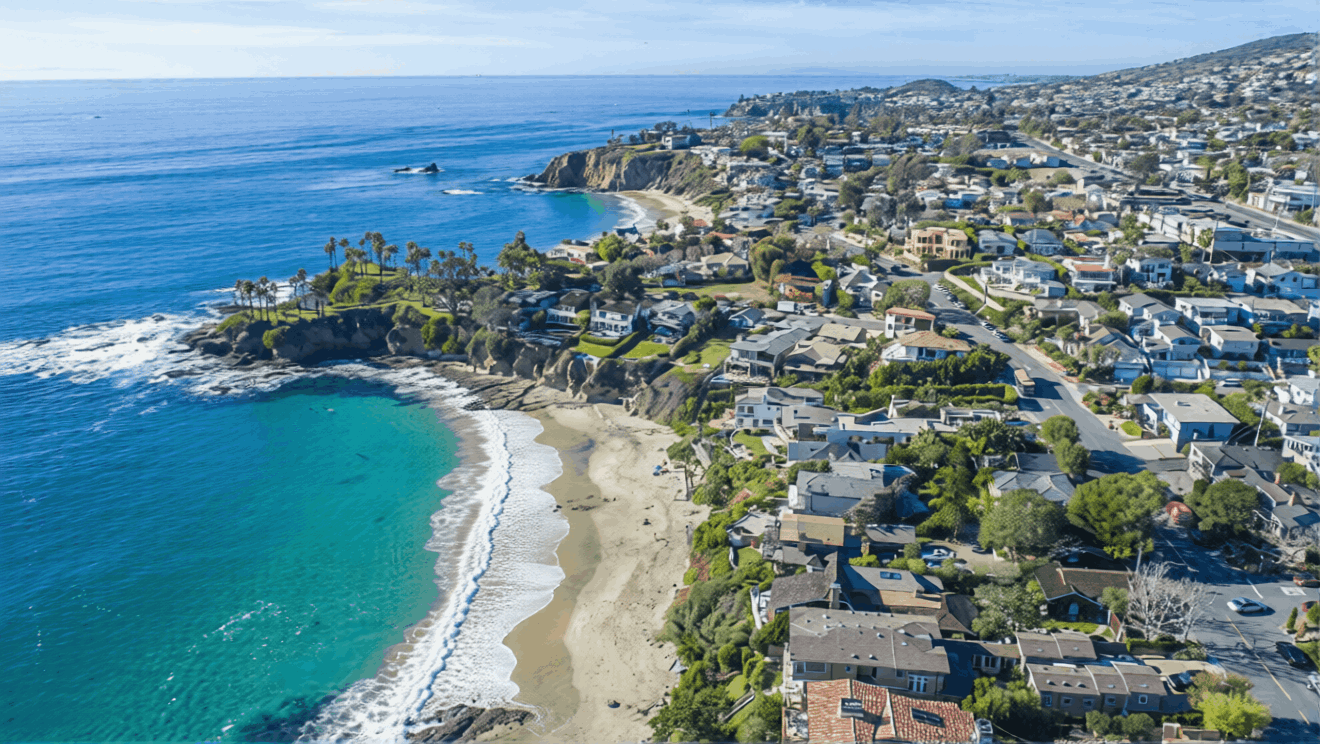
There is a kind of home that sells itself the moment a buyer walks in. A wall of glass, a cove framed perfectly inside it, the sound of surf below, and a sunset rolling in. Laguna Beach cove view homes belong to this category. The reaction is instant and emotional, and the offer often follows on the same day.
That is the part that makes these homes so rewarding to own. It is also the part that makes them dangerous to buy without the right framework. The view does most of the persuading. Everything else gets quietly assumed, and the assumptions are where buyers lose money or end up living with a daily compromise they did not anticipate.
This piece is the framework. Seven questions every cove view buyer should ask before writing an offer, organized around the issues that genuinely change what life in a Laguna Beach cove view home feels like over a decade. None of them is a reason to walk away from the right property. All of them are reasons to walk in with eyes open. For the wider view of the city and its neighborhoods, start with our Laguna Beach communities guide.
| Value | What It Tells You |
|---|---|
| 7 Questions | The due diligence framework that matters once the view has already won you over |
| 4 Major Coves | Wood's Cove, Victoria Beach, Crescent Bay, and Three Arch Bay each ask different questions |
| Pre-Offer | When to walk through these questions, not after the contingencies come off |
Why "Cove View" Means Different Things in Different Coves
Buyers tend to think of a Laguna Beach cove view as a single category. It is not. The coves themselves are different, the homes above them are different, and the daily reality of cove view living varies dramatically depending on which cove the property sits above. A home above Wood's Cove is a different proposition than a home above Victoria Beach, which is a different proposition again than a home inside the gated Three Arch Bay community. Public access patterns, structural orientation, traffic flow, and view stability all change cove by cove.
Before the seven questions, internalize that. The "Laguna Beach cove view homes" search is really four or five searches in one, and the right property in the wrong cove for your priorities is not the right property. The questions below should be asked of every property, but the answers vary by location, and that variation is what the comparison actually tests.
Question 1: What Recorded Beach Access Easements Affect the Property?
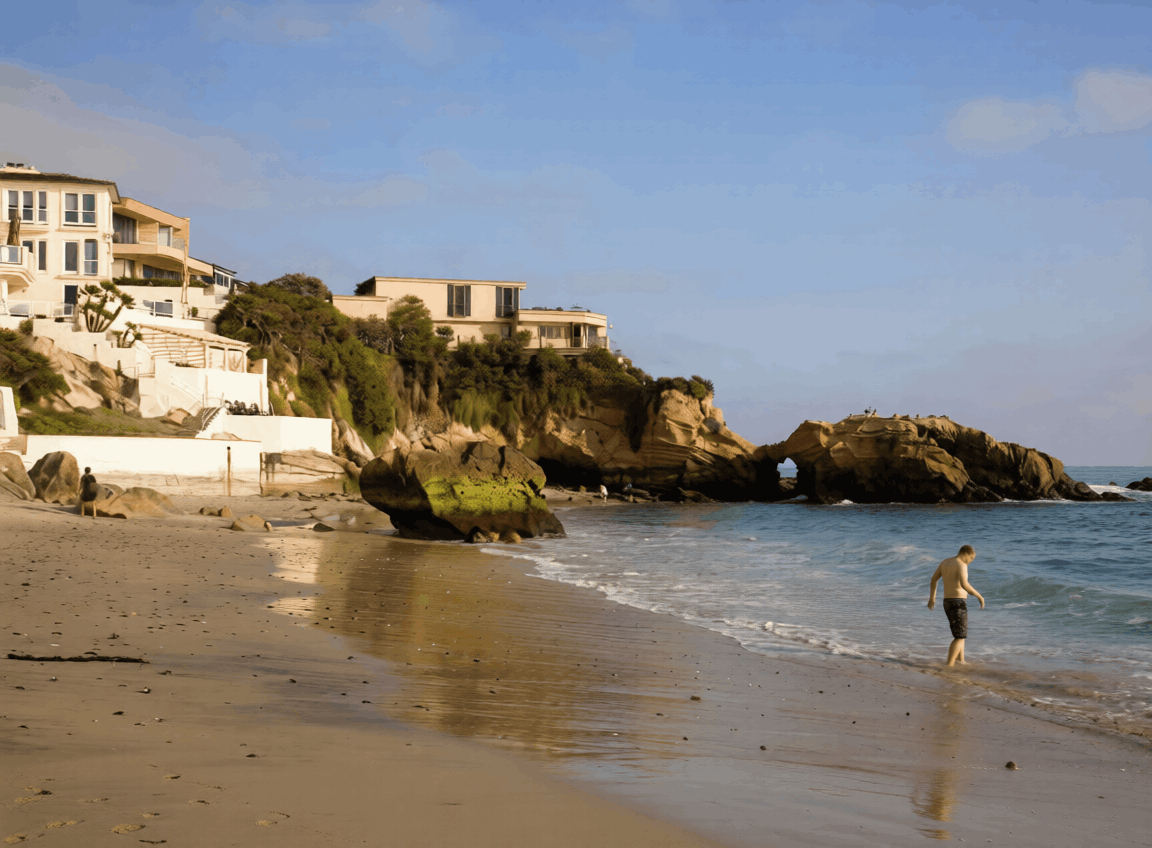
Many Laguna Beach cove view parcels carry recorded easements granting public access to the beach, either crossing the property or running directly adjacent to it. Some are obvious, marked by a public stairway running past the home or a clear path through the parcel boundary. Others are recorded but not actively used, sitting in the title quietly until someone decides to enforce them.
Recorded coastal access easements are permanent and significant. They travel with the title to subsequent owners, restrict what you can build or fence, govern what you can plant, and shape the daily privacy of the property. California protects coastal access aggressively under the Coastal Act, and easements established under coastal access provisions are not typically removable. An easement found late in escrow is not a deal that can be renegotiated through cosmetic changes.
What to do. Pull the preliminary title report during your contingency period and have your agent or an attorney specifically identify any recorded coastal access easements. Walk the parcel boundary on foot to confirm what is physically marked versus what is paper only. Ask the listing side about any active or potential dedication requirements from the California Coastal Commission. Easements rarely disqualify a great property, but they should never be a discovery.
Question 2: Does the View Have Any Legal Protection?
This is the question that catches the most buyers off guard. California does not have a broad statutory right to a view. What protection exists for a cove view depends on three narrow mechanisms, and most buyers assume protections that are not actually in place.
The three things that can protect a Laguna Beach cove view are recorded view easements (rare and valuable when they exist), HOA covenants that include explicit view protection language (common in gated communities like Three Arch Bay, less common elsewhere), and city tree and obstruction ordinances that govern vegetation impacting views. Outside of those, your view depends on what neighboring lots are zoned to build, the goodwill of your neighbors, and the height envelopes set by the City of Laguna Beach.
What to do. Search the title report for recorded view easements. If the property sits inside an HOA, request the CC&Rs and read the view protection language specifically. Identify the specific lots and homes whose redevelopment could affect your view, and confirm what each one is permitted to build under current city standards. The answer of "the view will probably stay" is not adequate due diligence on this category of purchase.
Question 3: How Is the Home Actually Oriented to the Sunset?

This is the question buyers most often skip, and the one that most shapes the daily peak experience of living in a cove view home. Orientation matters more than buyers expect.
A home facing due west catches the sunset directly through the year, with the sun setting roughly over the ocean in spring and fall and over the southern Pacific in winter. A home facing northwest catches summer sunsets beautifully but loses the sun behind northern terrain in winter. A home facing southwest gets stronger daylight evenness through the day but shorter sunset arcs in summer. The specific orientation determines whether your view homes daily peak experience is consistently extraordinary or seasonally variable.
What to do. Check the orientation on a compass app at the property itself. Then visit the home at the actual sunset hour in two different seasons if your timeline allows. The view you fall in love with in July may be a meaningfully different view in January. For a purchase at this price point, two sunset visits across seasons is reasonable diligence, not excess.
Question 4: How Does Glare and Reflection Behave on the Property?
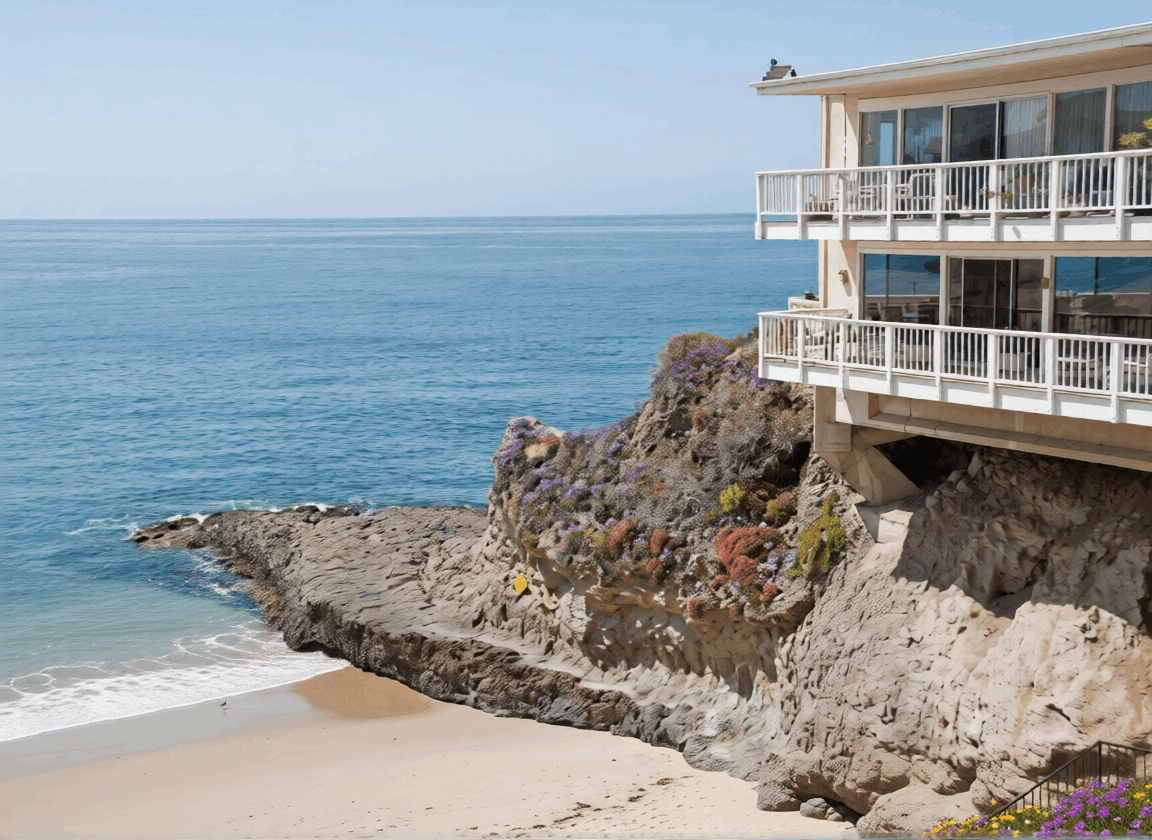
Cove view homes get strong, sustained reflection off the water during the morning and evening hours. The photographs are extraordinary. The daily lived experience without good shading is often punishing. Buyers in love with the view sometimes forget that they will need to actively manage the view for the home to be comfortable.
West-facing floor-to-ceiling glass at sunset, with no shading system, can be functionally uninhabitable during peak summer evenings. The same applies to large east-facing windows at sunrise. Older cove view homes built before modern glass and shading technology often have legacy window film, exterior shades, drapes, or interior blinds that the current owners have spent years tuning to make the home work. A renovated cove view home with brand new floor-to-ceiling glass and no shading plan is a comfort problem waiting to happen.
What to do. Visit at sunrise and at sunset, and observe how the current owner manages glare in real time. If the home has no operable shading systems, factor the retrofit cost into your offer math. Modern shading systems for large ocean view glass, including motorized exterior shades and high-quality window film, can incur substantial costs and require coordinated installation. Pricing this in before you write protects you from a comfort problem becoming a money problem.
Question 5: What Are the Neighbor Expansion Risks That Could Block the View?
A Laguna Beach cove view depends on what sits in front of the home. A vacant or underbuilt lot in the view corridor is the single biggest long-term view erosion risk you can have, because the next owner of that lot can build to the city's current height envelope, regardless of what currently exists there. The "tear down a one-story home, build a maximum envelope two-story replacement" scenario is real in Laguna Beach and has cost-view homes meaningful value when it has played out.
The risk varies by neighborhood. Hillside cove view homes with established lots fully built out face less expansion risk than view homes above lots that are clearly under-built relative to their current envelope. Gated communities with view protection covenants face the least risk. Older neighborhoods with mixed lot development face the most.
What to do. Walk the view corridor yourself. Identify every lot whose redevelopment could affect the view. Check current zoning, height limits, slope restrictions, and any pending permit applications for those lots. Talk to neighbors if possible, since they will know which adjacent owners are likely to redevelop. The properties most at risk are those with view corridors over older, smaller homes on lots zoned for substantially larger envelopes.
Question 6: What Is the Public Stair and Access Traffic Like?
Most Laguna Beach cove view homes sit near a public stairway or coastal access point. The stairs themselves are not the problem. They are part of what creates the coastal character of Laguna Beach and what makes the coves accessible to residents and visitors alike. The question is volume, and the answer varies dramatically from one access point to another.
Some stair access points see modest year-round residential foot traffic that fades into the background. Others become summer weekend bottlenecks with continuous noise, conversation that carries up to the homes above, and parking pressure on adjacent streets. A property that feels serene during a Tuesday afternoon tour can be a very different experience during a peak Saturday in August. The home does not change. The access pattern does.
What to do. Visit on a peak summer Saturday between 11 AM and 4 PM and stand at the property. Listen for voices from the stairs, observe parking pressure on the street, and watch how often people pass directly below or near the property. Walk to the access point and observe the visitor flow yourself. If summer weekends are out of season at your tour timing, ask the listing side and the neighbors about peak weekend patterns specifically.
Question 7: How Do Wind, Salt, and erosion behave at This Specific Property?
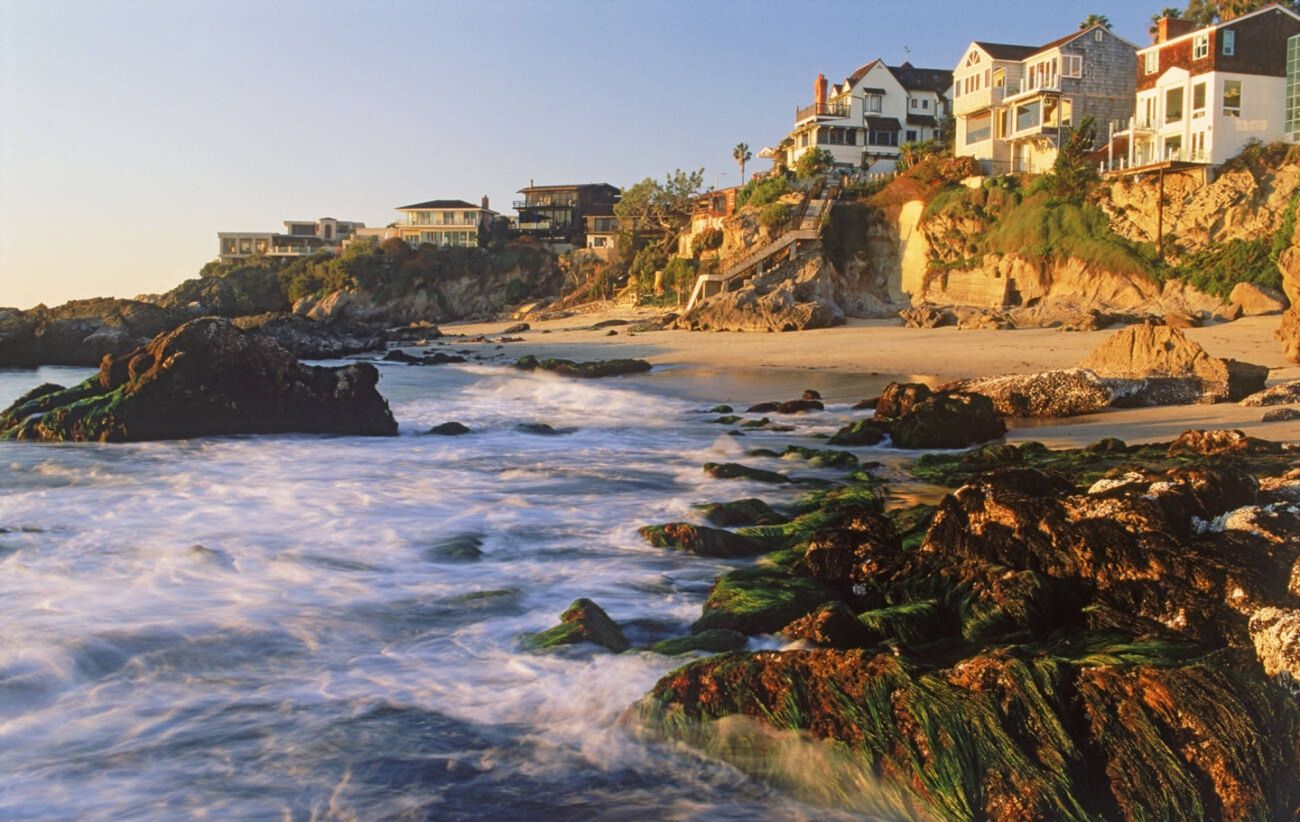
Cove view homes sit in genuinely active coastal environments. The lifestyle benefits are real. The structural realities are also real, and they vary by exact position on the coast.
Salt air corrosion attacks exterior metals, hardware, garage doors, and exposed mechanical equipment far more aggressively than inland California construction is rated for. Faster wear shows up on exterior materials, paint, wood trim, and any unprotected surface. Marine fog drives moisture intrusion in homes whose envelopes are not properly detailed for coastal exposure. At the property level, the bigger question is ground stability. Some cove parcels sit on stable terrain. Others sit on bluffs with active erosion patterns, where the actual coastline retreats measurably over decades.
What to do. Examine the property's exterior metals, windows, finishes, and mechanical equipment for signs of accelerated wear or recent replacement. Engage an inspector with documented coastal experience, not a generalist. For any bluff edge or near bluff home, commission a geotechnical report that specifically addresses erosion patterns and slope stability. The City of Laguna Beach maintains bluff and slope stability information for the broader coastal area. Confirm that any past slope stabilization, seawall, or geotechnical work was permitted and engineered by qualified specialists.
The Cove by Cove Reality
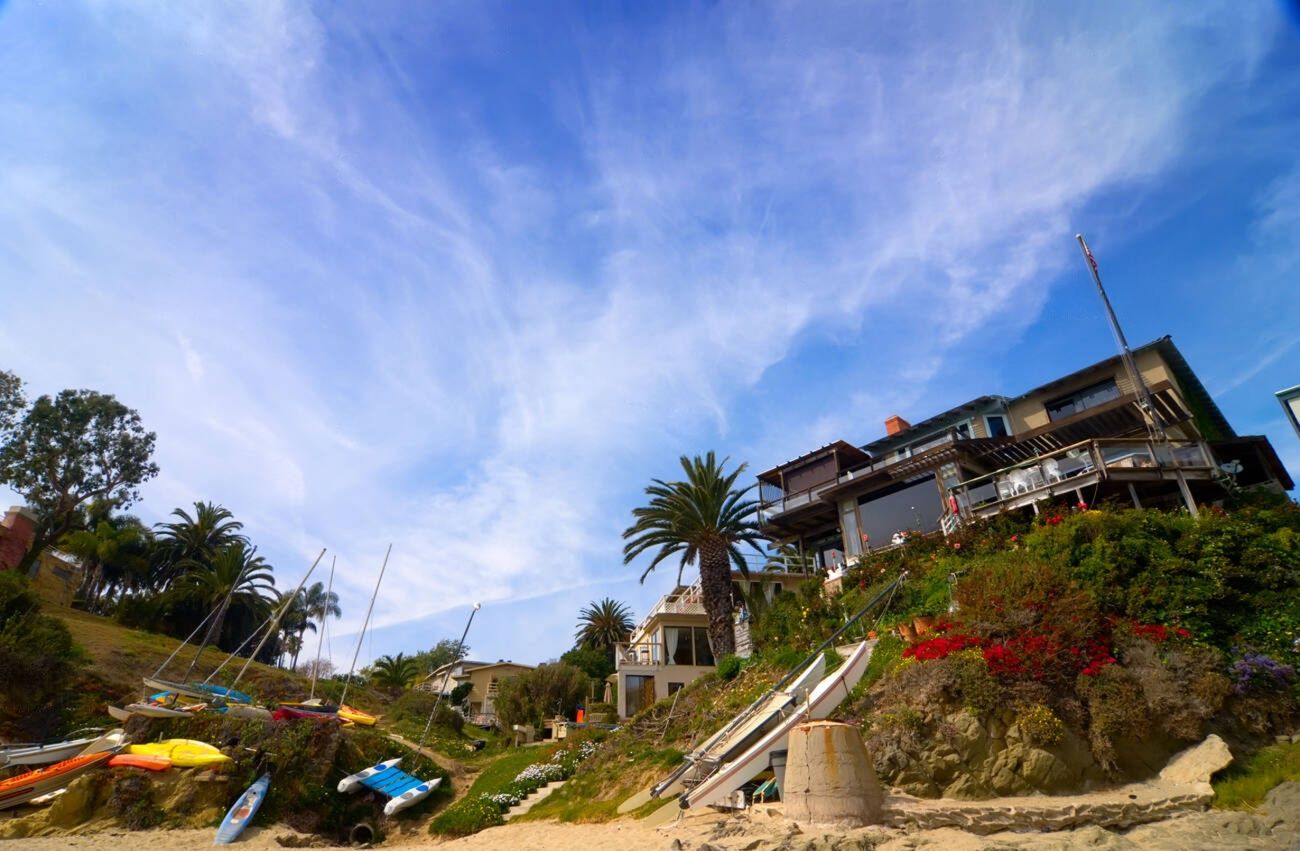
The same seven questions get different answers in different coves. The summary below is directional rather than exhaustive, and the right property always requires its own diligence, but the patterns help frame the search.
| Cove | Character | What Buyers Should Know |
|---|---|---|
| Wood's Cove | Compact South Laguna cove with quieter access and a residential feel above | Smaller buyer pool, less peak weekend foot traffic, narrower view of homes inventory |
| Victoria Beach | Iconic cove anchored by the Pirate's Tower, photogenic and well known to visitors | Steady visitor traffic, particularly on social media-driven peak weekends, view homes above carry a premium |
| Crescent Bay | Wide North Laguna cove with a strong residential identity and a more established neighborhood above | Established Crescent Bay homes inventory, moderate access patterns, and neighborhood character are features |
| Three Arch Bay | Private gated community with its own private cove, restricted access, and view protection in CC&Rs | Most controlled view environment in the area, very limited public traffic, gated community premium reflected in pricing |
What to Verify Before You Tour or Write
Use this checklist with your agent during your search and contingency period. Every item is far cheaper to verify before closing than to discover after.
| Topic | What to Verify |
|---|---|
| Title Report | Recorded beach access easements, view easements, and any other recorded restrictions on the parcel |
| HOA Documents | For gated coves, full CC&Rs with view protection and design control language |
| Sunset Visit | Visit at the actual sunset hour in at least one season, ideally two |
| Glare Inspection | Confirm existing shading systems and price retrofit cost if absent |
| View Corridor Audit | Map every lot whose redevelopment could affect the view, plus its zoning and envelope |
| Peak Weekend Visit | Stand at the property on a summer Saturday and observe street and stair traffic |
| Coastal Inspection | An inspector with documented coastal experience, plus a geotechnical report for bluff adjacent homes |
| Permit History | Past permits for the property and adjacent lots, with attention to slope, drainage, and view affecting work |
Frequently Asked Questions
Quick Facts
| Category | Description |
|---|---|
| View protection | California has no broad statutory view right. Protection requires recorded easements, HOA covenants, or city ordinances |
| Coastal access | California Coastal Act protects public access. Recorded easements are permanent and travel with the title |
| Sunset variance | Orientation matters more than buyers expect. Visit at sunset in at least one season |
| Glare reality | West-facing floor-to-ceiling glass requires active shading. Retrofit cost can be substantial |
| View corridor | Audit every lot between the home and the ocean for redevelopment potential |
| Peak traffic | Visit on a summer Saturday between 11 AM and 4 PM to see real access pressure |
| Coastal inspection | Use a coastal experienced inspector and a geotechnical report for bluff adjacent homes |
| Three Arch Bay | Private gated community with its own cove and CC&R framework. Different category from the public coves |
A Final Word from Susan Chase
A Laguna Beach cove view home is one of the most aspirational purchases in coastal California, and one of the easiest places to fall in love before you have the right framework. The view does the persuading. The seven questions do the protecting. Buyers who walk the easements, audit the view corridor, sit through a real sunset, and stand at the property on a peak Saturday are the buyers who end up owning these homes well over decades rather than discovering compromises at year three.
If you are weighing a cove view home and want a tour designed around the seven questions rather than the listing photos, reach out. I will walk you through the title report, identify the view corridor risks, time the visits to actual sunset and peak weekend, and help you separate the homes that will live up to the view from the ones that will not. You can reach me at the contact below whenever you are ready to talk.
Living in Coastal OC is the editorial home of Susan Chase and the Susan Chase Group at Compass, serving buyers, sellers, and relocations across Laguna Beach, Dana Point, Laguna Niguel, San Clemente, and San Juan Capistrano. For private consultations, neighborhood tours, or relocation guidance, contact us at livingincoastaloc.com.

Susan Chase Group | Compass
Dana Point, California
949-370-6950
susan.chase@compass.com
livingincoastaloc.com
🙋🏼♀️ I’m Susan Chase, your South Orange County Realtor, advisor and guide, helping buyers, sellers, and relocations right-size and find a coastal home and lifestyle they’ll love. ❤️
Sources & Data Verification Laguna Beach cove geography, including Wood's Cove, Victoria Beach, Crescent Bay, and Three Arch Bay, and the residential neighborhoods above each: City of Laguna Beach community and planning resources; cityoflagunabeach.net neighborhood references. California Coastal Act provisions and public coastal access easement framework, including the California Coastal Commission's role in establishing and enforcing public access dedications: California Coastal Act of 1976; California Coastal Commission resources. California view rights and the absence of broad statutory view protection, with the limited mechanisms of recorded view easements, HOA covenants and CC&R based view protection, and municipal tree and obstruction ordinances: California real estate law summaries; HOA legal framework references; City of Laguna Beach municipal code on view related provisions. Three Arch Bay private gated community structure, its CC&R framework, and its private cove access: Three Arch Bay community references; aggregated public community information. City of Laguna Beach height limits, setback standards, slope and grading standards, and permit history references: City of Laguna Beach Community Development Department resources; Laguna Beach Municipal Code zoning provisions. Coastal environmental factors including salt air corrosion patterns, marine fog moisture impact, and bluff erosion behavior along the Laguna Beach coastline: California Coastal Commission technical references; United States Geological Survey coastal erosion resources; City of Laguna Beach bluff and slope stability references. All easement, view protection, regulatory, and environmental references in this article reflect general framework and directional patterns, not guaranteed outcomes for any specific property. Recorded easements, HOA covenants, zoning standards, and bluff conditions are property specific and subject to change. Confirm current title status, current CC&R provisions, current City of Laguna Beach regulatory standards, and current property specific environmental conditions with the relevant agencies, a coastal experienced inspector, and a licensed local agent before making a purchase decision.
Categories
- All Blogs (161)
- 2026 Harbor & Coast Reports (3)
- Coastal OC Lifestyle (17)
- Guides (17)
- Into the Weekend with Susan (1)
- Living in Dana Point (20)
- Living in Laguna Beach (20)
- Living in Laguna Niguel (19)
- Living in San Clemente (18)
- Living in San Juan Capistrano (17)
- Micro-Market Deep Dives (5)
- Relocation (3)
- Right Sizing Strategy (6)
- Strategic Market Intelligence (17)
Recent Posts






REVIEWS