
Hillside Homes in Laguna Beach: What Slope, Soil, and Setback Reports Actually Tell You Before You Buy

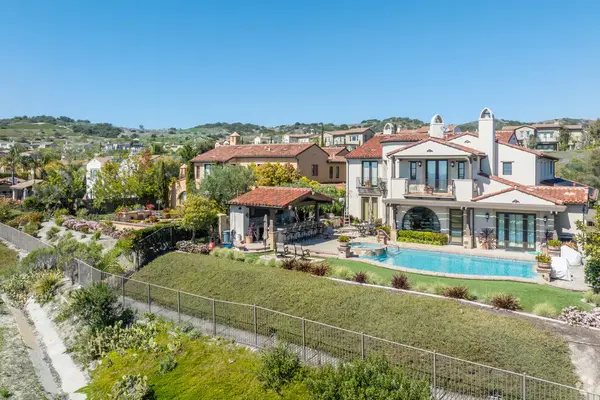
You fell for the view first. The way the Pacific stretches west from your future living room. The way light moves across the canyon walls at dusk. The quiet that settles when you turn off Coast Highway and start to climb. Laguna Beach hillside homes sell that feeling better than almost any stretch of the California coast. But the same terrain that gives you the view is doing something most buyers never think about. It is holding up the house.
A surprising number of Laguna's most beautiful homes sit on engineered slopes, drilled caissons, compacted fill, or retaining walls hand stacked by craftsmen in the 1950s. Some of those structures are sound and well documented. Others are not. The difference often shows up in three documents most buyers skim past too quickly. The Geotechnical report. The soils report. The setback survey.
This guide walks you through what each one actually tells you, what to ask for during your inspection period, and where canyon and bluff properties demand a closer look. If you are shopping Laguna Beach hillside homes, this is the part of the process where the right agent earns their keep.
| Value | What It Tells You |
|---|---|
| 30%+ | Slope grade in many ridgeline neighborhoods |
| 1,000 ft | Typical Coastal Zone reach from the ocean |
| 5 to 10 yrs | Recommended interval between Geotech updates |
Why Laguna's Terrain Is the Price of Admission
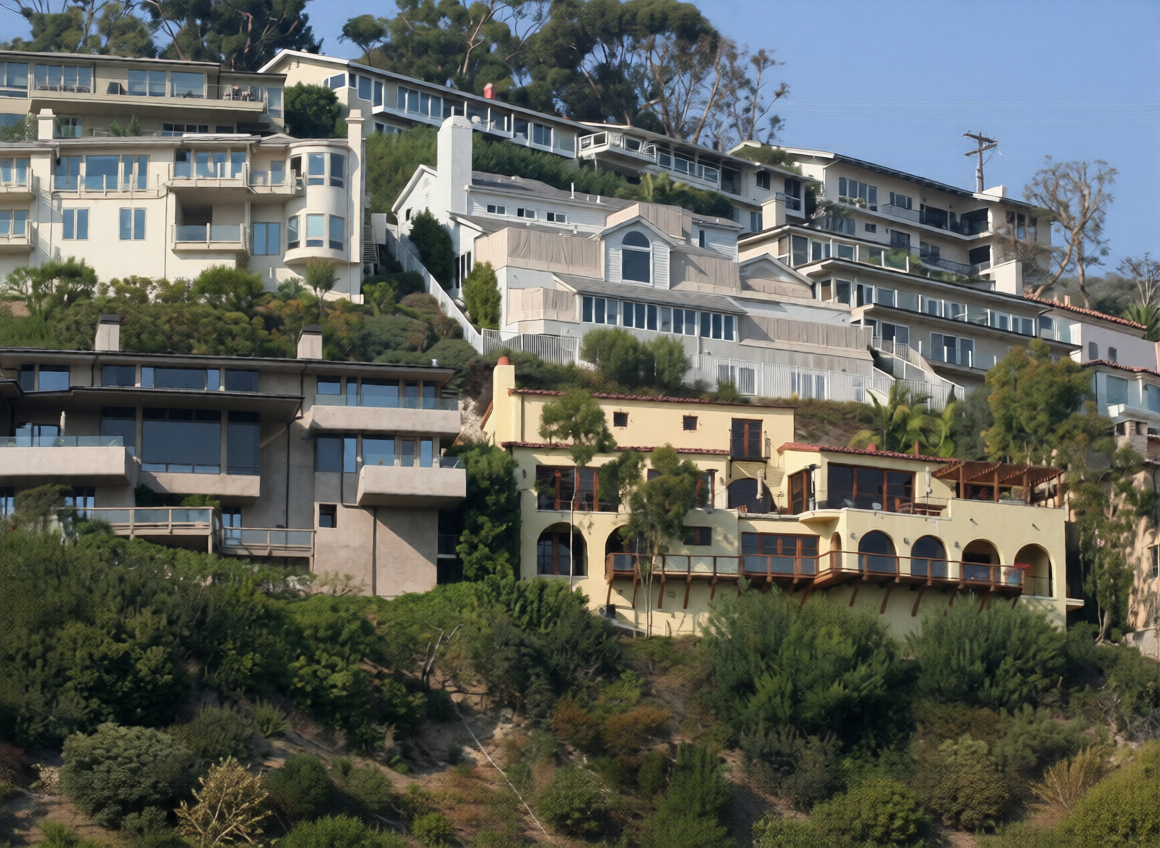
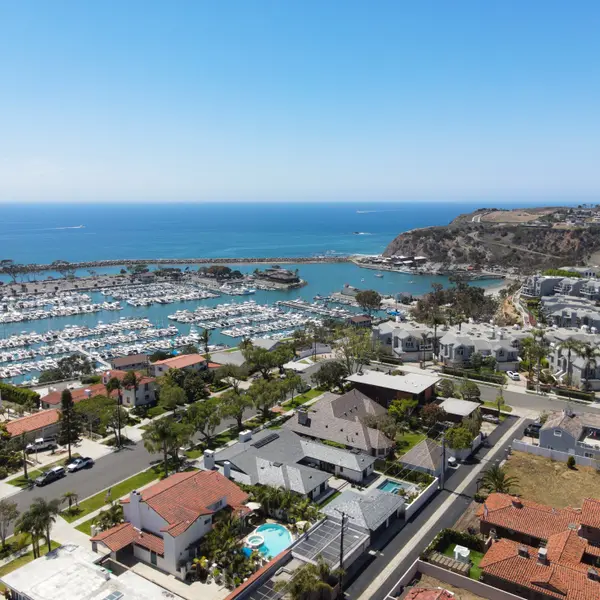
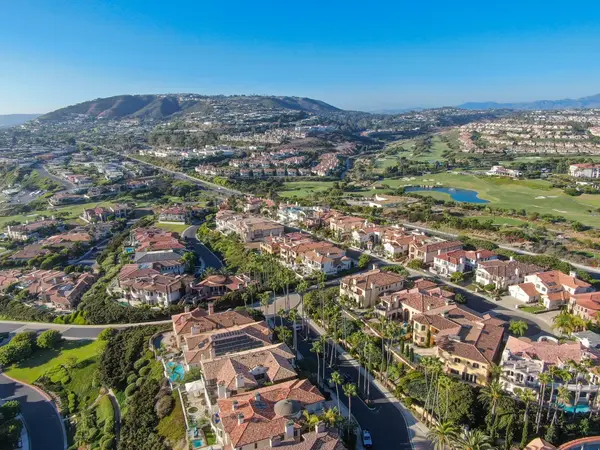
Laguna sits where the San Joaquin Hills meet the Pacific. That collision is what gives the town its dramatic topography, and it is also why most lots are sloped. Some neighborhoods, like Top of the World and Arch Beach Heights, sit on ridgelines with grades that climb above 30 percent. Bluebird Canyon and Laguna Canyon are carved into hillsides where every home has a story about how it got there.
That story matters when you are buying.
A 1955 home perched on a Bluebird Canyon ridge was almost certainly built before modern grading codes existed. Its foundation might be wood pilings, hand poured concrete piers, or a slab resting on uncertified fill. None of those are inherently unsafe. But none of them mean anything until you have seen current documentation.
The good news. Laguna's history with hillside building is also why the city has some of the most thorough geotechnical reporting requirements in coastal California. The information exists. You just need to know what to ask for.
What a Geotechnical Report Actually Tells You

A Geotech is the document that explains what is under the house. It is written by a licensed geotechnical engineer, usually after a site visit, soil borings, and a review of any prior reports on the property or its neighbors.
For Laguna Beach hillside homes, a complete Geotech should cover seven core areas.
| Component | What It Addresses |
|---|---|
| Slope Stability | Calculated factors of safety on the existing grade |
| Soil Composition | Sandy, clay, expansive clay, or engineered fill |
| Drainage | Surface patterns and subsurface water concerns |
| Foundation | Type, condition, and original engineering specifications |
| Movement History | Past slope movement, wall cracking, or remediation |
| Code Compliance | How the existing structure compares to current code |
| Recommendations | Guidance for any planned additions or modifications |
Reading the Soils Report
A soils report goes deeper than the Geotech in one specific way. It tells you about the chemistry and behavior of the soil beneath your foundation, not just its mechanical stability.
Why does that matter? Expansive clay soils, which appear in parts of Laguna Beach, swell when wet and shrink when dry. Over decades, that movement can crack foundations, separate retaining walls from structures, and break drain lines. A soils report flags these conditions and tells you whether the existing foundation is engineered to handle them.
Five Findings That Matter
- Soil classification sandy, clay, fill, organic, or layered
- Expansion index anything above 50 means moderate to high expansive potential
- Bearing capacity how much weight the soil can support
- Corrosion potential matters for steel and concrete reinforcement
- Liquefaction risk rare in Laguna's hillsides but possible near canyon floors
If your soils report does not address the expansion index, that is your first follow up question. A qualified engineer can run that test in a few hours, and the answer will shape the rest of your due diligence.
Foundation Types You Will Encounter in Laguna
Not all hillside foundations are created equal. The four types below cover roughly 95 percent of what you will see in Laguna, ranging from highly engineered to legacy construction that may need a second look.
Deep concrete piers drilled into bedrock or competent soil. Common on steep lots and bluff edges. Generally the most stable option for hillside construction. Ask for documentation of pier depth and load testing.
Wide, shallow footings spreading load across stable soil or bedrock. Common on flatter lots and ridgelines. Reliable when soil conditions are right but vulnerable to expansive clay if not engineered correctly.
Poured concrete slab on compacted, engineered fill. Common in postwar tract development. Performance depends entirely on the quality of the fill and its compaction certification, so ask for both.
Steel or wood piles driven into stable substrate. Less common in Laguna but seen on older bluff homes. Wood piles can deteriorate over decades, which is why moisture and termite inspection matters.
If a listing references an "engineered foundation" without specifying which type, that is your cue to ask for the original construction drawings or a current as built survey.
Setbacks and What They Mean for Your Plans
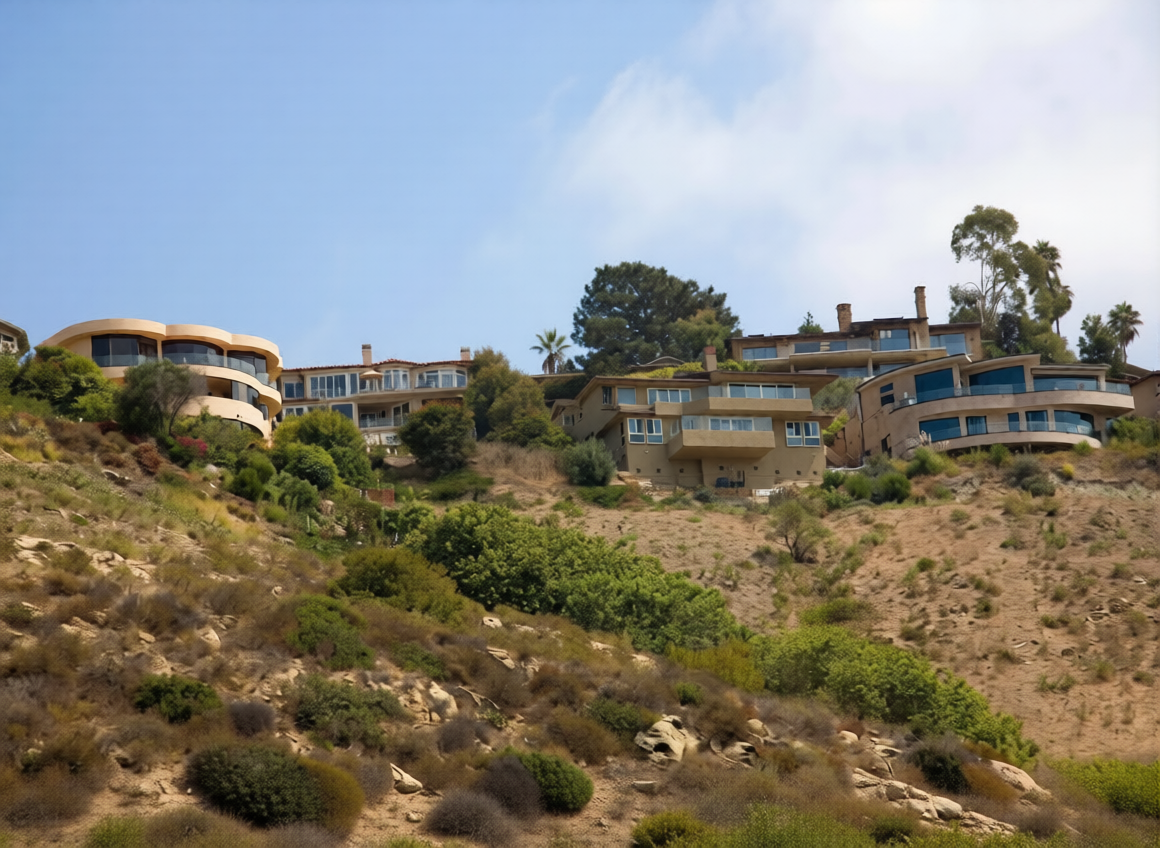
Setbacks are the rules that govern how close to a property line, slope edge, or bluff face you can build. In Laguna, setback rules are stricter on hillside lots than on flat ones, and they get stricter still on coastal bluffs.
This matters most when you have plans. If you want to add a primary suite, expand a deck, build out an ADU, or replace a roof terrace, the setback survey tells you what is possible and what is not. A hillside lot that looks generous on paper may have very little buildable area once you account for required slope setbacks, side yard rules, and any coastal zone overlay. The setback survey is where renovation dreams meet zoning reality. I have walked buyers through properties planning a 500 square foot addition only to learn the slope setback gave them about 90.
A few specific things to confirm during your contingency period. The lot's distance to the nearest bluff edge or significant slope. Whether the property sits in the Coastal Zone, since most lots within 1,000 feet of the ocean do. Any existing variances on the property. And what the current setback rules allow for additions or new construction.
If you are buying with a renovation in mind, hire your architect or designer to do a feasibility review during your inspection period. The cost is usually a few hundred dollars. The information is worth far more.
Your Hillside Due Diligence Checklist
Use this list with your agent and your inspector during the contingency period. Most California real estate contracts include a window where you can request and review these documents. That window is the entire point. Use it.
| Document or Area | What to Confirm |
|---|---|
| Geotech Report | Most recent on file, with update if older than 10 years |
| Soils Report | Expansion index and bearing capacity findings |
| Foundation | Type, condition, and original engineering specifications |
| Property History | Slope movement, remediation, or insurance claims |
| Setbacks | Allowance for any planned additions or new construction |
| Coastal Zone | Status of the parcel and what it means for permits |
| Retaining Walls | Cracks, lean, or drainage issues at any wall on site |
| Drainage | Drains, weep holes, and subsurface flow are clear and functional |
| Neighbors | History with slope or soil issues at adjacent properties |
| Structural Inspection | Independent review focused on the foundation |
Red Flags and Green Lights

Not every concern on a hillside home is a deal breaker. The point of due diligence is to know what you are buying and price it accordingly. Here is how to read the signals.
Green Lights
- ✅ Geotech report dated within the last 5 to 10 years
- ✅ Documented foundation type with original engineering
- ✅ No visible cracks in retaining walls or foundation
- ✅ Drains and weep holes visible and functioning
- ✅ Clean neighbor history with no slope events
- ✅ Coastal Zone status known and addressed in prior permits
Red Flags
- 🚩 No Geotech on file, or seller refusal to provide one
- 🚩 Visible cracks running through retaining walls
- 🚩 Evidence of past slope movement or recent grading work
- 🚩 Drains plugged, missing, or replaced without records
- 🚩 Documented neighbor slide history within 200 feet
- 🚩 Unpermitted decks, ADUs, or retaining walls on a hillside lot
A red flag is not necessarily a reason to walk. It is a signal to ask harder questions and possibly to retrade on price for the cost of remediation. A documented issue with a clear repair plan is usually less risky than an undocumented one with no plan at all.
Frequently Asked Questions
Living in Coastal OC is the editorial home of Susan Chase and the Susan Chase Group at Compass, serving buyers, sellers, and relocations across Laguna Beach, Dana Point, Laguna Niguel, San Clemente, and San Juan Capistrano. For private consultations, neighborhood tours, or relocation guidance, contact us at livingincoastaloc.com.

Susan Chase Group | Compass
Dana Point, California
949-370-6950
susan.chase@compass.com
livingincoastaloc.com
🙋🏼♀️ I’m Susan Chase, your South Orange County Realtor, advisor and guide, helping buyers, sellers, and relocations right-size and find a coastal home and lifestyle they’ll love. ❤️
Sources & Data Verification Hillside neighborhood slope grade ranges and ridgeline references (Top of the World, Arch Beach Heights, Bluebird Canyon, Laguna Canyon): lagunabeachcity.net hillside zoning; visitlagunabeach.com neighborhood guides. Hillside and bluff development standards, residential setback rules, and grading codes: lagunabeachcity.net municipal code; lagunabeachcity.net Building and Safety division. Coastal Zone boundaries (approximately 1,000 feet inland from the ocean) and Coastal Development Permit requirements: coastal.ca.gov coastal permitting; lagunabeachcity.net Coastal Zone overlay; lagunabluebelt.org coastal advocacy resources. Slope stability factors, expansive soil behavior, and regional landslide inventory: conservation.ca.gov California Geological Survey; usgs.gov landslide reference and storm response assessments. Geotechnical report standards (expansion index, bearing capacity, corrosion potential, liquefaction risk) and California Building Code chapters governing hillside foundations: bsc.ca.gov California Building Standards Code; conversations with California licensed geotechnical engineers. Hillside insurance availability and California FAIR Plan eligibility: cfpnet.com California FAIR Plan; insurance.ca.gov California Department of Insurance. Building codes, Coastal Zone rules, and city setback requirements update periodically; verify current standards with the City of Laguna Beach Department of Community Development before making decisions on a specific property. This article is educational and not a substitute for site specific reports from a licensed geotechnical engineer registered in California.
Categories
- All Blogs (156)
- 2026 Harbor & Coast Reports (2)
- Coastal OC Lifestyle (16)
- Guides (13)
- Into the Weekend with Susan (1)
- Living in Dana Point (20)
- Living in Laguna Beach (20)
- Living in Laguna Niguel (19)
- Living in San Clemente (18)
- Living in San Juan Capistrano (17)
- Micro-Market Deep Dives (5)
- Relocation (3)
- Right Sizing Strategy (6)
- Strategic Market Intelligence (17)
Recent Posts





REVIEWS