
Equestrian Properties in San Juan Capistrano: What Buyers Should Know
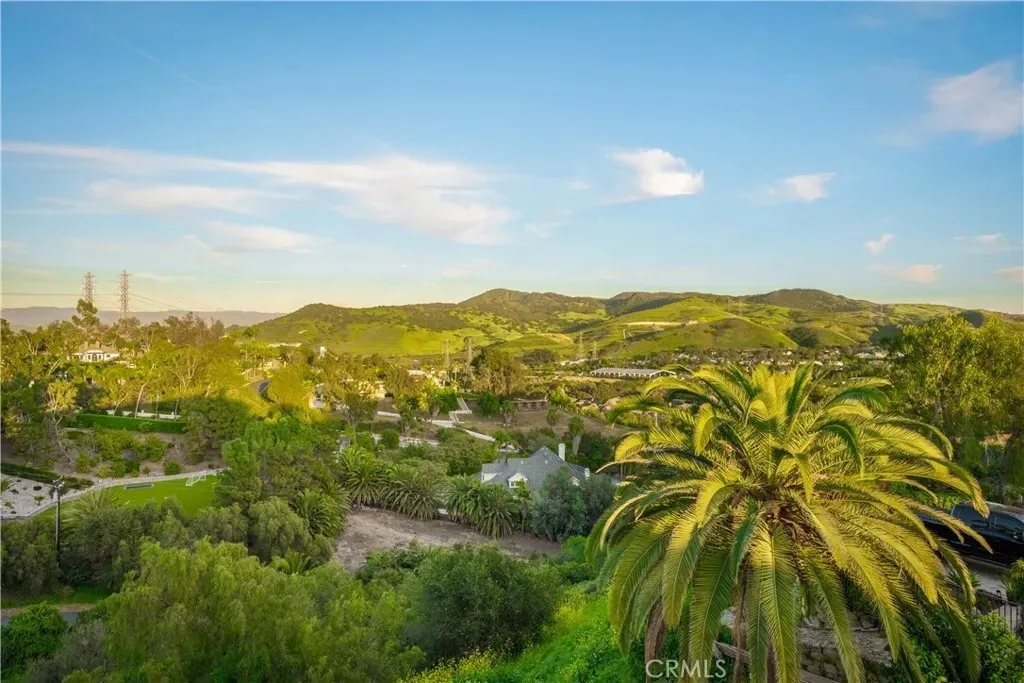
There is nowhere else in California where you can own equestrian-zoned land with full horse facilities, direct access to more than 60 miles of riding trails, and a two-mile drive to the Pacific Ocean. That singularity is not a marketing claim — it is a geographic and zoning reality that places San Juan Capistrano in a category entirely its own among coastal communities.
Why San Juan Capistrano Is Different
San Juan Capistrano is one of the few places in coastal Orange County where a true equestrian lifestyle still exists at a meaningful level. Long known as the Equestrian Capital of the West Coast, the city offers a rare combination of riding culture, established trail systems, boarding and training facilities, competitive venues, and zoning that continues to support horse ownership. For luxury buyers relocating to Orange County, that makes San Juan Capistrano uniquely compelling.
What many buyers do not realize, however, is that equestrian property here is far from uniform. Zoning, lot configuration, permitted horse facilities, trail access, setback requirements, and HOA restrictions can vary significantly by neighborhood and even by parcel. Two homes located close to one another may offer very different equestrian possibilities.
That is why buying horse property in San Juan Capistrano requires more than a general understanding of the market. It requires precise local knowledge. This guide is designed to help you understand how equestrian property in San Juan Capistrano really works, including the key neighborhoods, zoning considerations, boarding and riding resources, and the due diligence required before making an offer. For buyers seeking privacy, land, lifestyle, and access to strong schools in coastal Orange County, this market is worth understanding in depth.
Zoning: The Foundation of Every Equestrian Purchase
Here is the strongest, most polished version:
In San Juan Capistrano, the ability to keep horses on a residential property is not automatic. It is determined by zoning. Under the City’s Municipal Code, including Title 9 governing land use, several base districts are especially important for equestrian buyers, and each comes with its own standards for minimum lot size, setbacks, and permitted uses. That is why zoning should be reviewed before a buyer becomes too attached to any property. A beautiful home may appear ideal for an equestrian lifestyle, but the legal rights and limitations can vary significantly from one parcel to the next.
|
Zoning District |
Minimum Lot Size |
Horse Keeping |
Key Character |
|---|---|---|---|
|
RA — Residential/Agriculture |
Varies by parcel |
Permitted with sufficient acreage |
Offers the broadest agricultural use rights and is generally the most flexible for equestrian use |
|
RSE-40,000 |
40,000 sq ft, about 0.9 acres |
Generally permitted |
Estate-style residential zoning with strong equestrian compatibility |
|
RSE-20,000 |
20,000 sq ft, about 0.46 acres |
Conditional or limited |
Larger residential lots where equestrian use may be possible, but must be verified carefully |
|
HR — Hillside Residential |
Varies by site |
Site-specific |
Driven by slope and topography, with equestrian use requiring individual parcel review |
The critical distinction for buyers is that zoning designation alone does not fully determine equestrian use rights. HOA covenants, conditions, and restrictions (CC&Rs) within individual communities can impose additional limitations — and in some cases prohibit horse keeping entirely on parcels that would otherwise permit it under city zoning. This layered regulatory structure means that verifying equestrian use rights requires consulting both the city's zoning map and the specific HOA governing documents for any property under consideration.
Additionally, physical facility requirements — setbacks for barns and stables from property lines, manure management plans, and water access requirements — impose practical constraints that affect what is buildable on any given parcel, regardless of what the zoning technically permits. These details are best reviewed with a land-use consultant or an experienced equestrian real estate advisor before any offer is written.
Never rely on a listing description that states a property is "equestrian-zoned" or "horse-friendly" without independently verifying the zoning designation, CC&Rs, permitted number of animals, setback requirements for existing or proposed facilities, and trail access rights. In San Juan Capistrano, this verification requires pulling the specific APN record from the city's planning department — not a generalized neighborhood assumption.
The Market at a Glance: Prices, Range, and What You Get
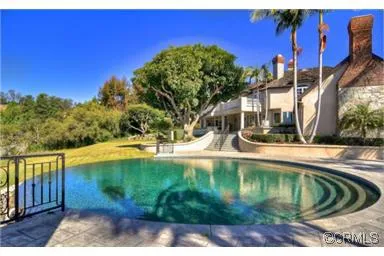
San Juan Capistrano had one of the widest price ranges in coastal South Orange County in 2025, with sales spanning from $254,000 to $6,700,000 during the same period. That range reflects the city’s unusual diversity, from downtown condos and historic cottages to multi-acre equestrian estates and custom hilltop homes.
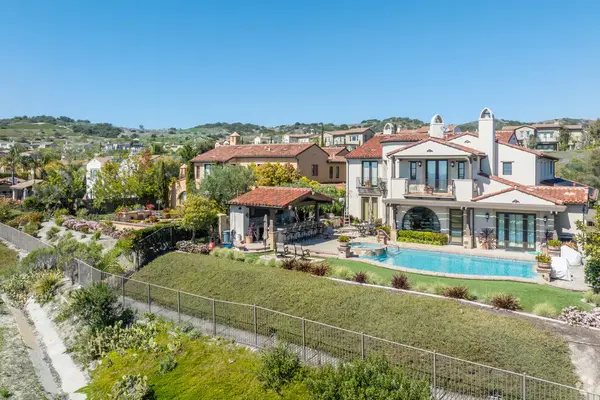
For buyers focused specifically on San Juan Capistrano equestrian property, the pricing band is much narrower and more relevant. In communities such as San Juan Hills Estates and The Hunt Club, equestrian-oriented estates generally begin around $2.5 million for established homes of roughly 3,000 to 6,000 square feet on acre-plus lots with existing barn or horse facilities. From there, pricing can rise well beyond $10 million for custom compounds with expansive views, larger land parcels, and more complete equestrian improvements.
Current horse property listings near San Juan Capistrano average about $4,988,000, with land values averaging roughly $225,701 per acre. For relocating buyers, that data helps frame the market more clearly: this is not a single price category, but a specialized segment where value is driven by land, infrastructure, privacy, and location as much as by the home itself.
|
Snapshot of the Market |
Figure |
|---|---|
|
Typical Equestrian Estate Price Range |
$2.5M to $10M+ |
|
Riding Trails Within San Juan Capistrano |
60+ miles |
|
Average Per-Acre Cost for Horse Property |
$225,701 |
|
Average Asking Price for Horse Property |
About $4.99M |
San Juan Capistrano is one of the very few places in California where you can ride from your property gate through a 60-mile trail network — and be at the beach inside an hour. That combination does not exist anywhere else in the state at any price point.
The Equestrian Neighborhoods: Where to Look
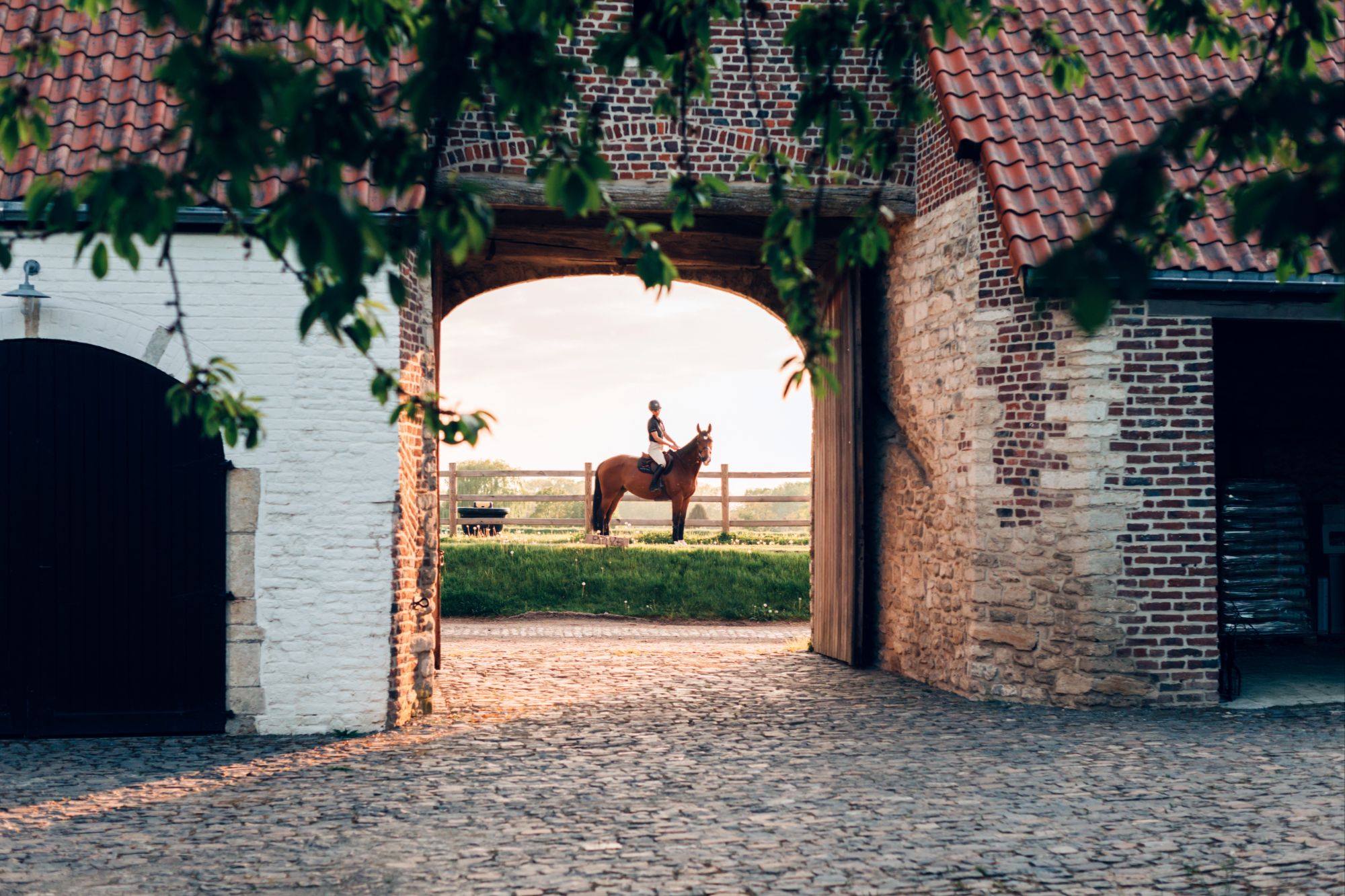
Not all of San Juan Capistrano's neighborhoods offer equivalent access to equestrian infrastructure or trail connectivity. The following are the communities most relevant to buyers with horses or equestrian aspirations.
|
Community |
Key Highlights |
|---|---|
|
🏇 The Hunt Club |
Guard-gated community off Ortega Highway with homes ranging from 3,443 to 11,500 square feet, built primarily between 1980 and 1989. Offers direct equestrian trail access and a location near Marbella Country Club and St. Margaret’s School. |
|
🌿 Mission Hills Ranch |
Gated equestrian community known for private stables, riding facilities, large landscaped lots, and a quiet rural feel. Pool and guest house features are common. |
|
🌾 San Juan Hills Estates |
Non-gated community with acre-plus lots, homes typically ranging from 3,000 to 6,000 square feet, existing barn infrastructure, trail access, and canyon or ocean views. |
|
🏡 Los Corrales |
Quiet residential neighborhood with single-family homes, proximity to downtown San Juan Capistrano amenities, equestrian-compatible lots, and a more community-oriented pace. No gate. |
|
🏞️ North San Juan Capistrano / Ortega Highway Corridor |
Offers larger parcels, custom homes, canyon-adjacent settings, and more agriculturally compatible zoning. More rural in character and generally farther from downtown. |
The Hunt Club: The Premier Address
Among San Juan Capistrano equestrian property options, The Hunt Club stands at the top of the market. This guard-gated enclave off Ortega Highway is known for its large estates, with homes ranging from 3,443 to 11,500 square feet on substantial lots. Most were built between 1980 and 1989, giving the neighborhood a sense of maturity that newer communities often lack, with established landscaping, large trees, and a more timeless residential feel. Sales regularly surpass $5 million, and the most exceptional estates can reach considerably higher.
What sets The Hunt Club apart is not just price, but the overall lifestyle offering. Residents enjoy direct access to equestrian trails that link into the wider San Juan Capistrano network, along with proximity to Marbella Country Club and St. Margaret’s Episcopal School, one of the area’s most respected private schools. For buyers seeking privacy, prestige, equestrian access, and a guarded community setting, The Hunt Club remains the standard.
Mission Hills Ranch: The Estate-Designed Alternative
For buyers who want a community built around horse ownership rather than one where equestrian use was added later, Mission Hills Ranch is especially appealing. This gated enclave was designed with equestrian living in mind, with private stables, riding facilities, and trail access woven into the community from the start. The homes are spacious and well-finished, typically set on large lots with room for mature landscaping, pools, and guest houses. What makes Mission Hills Ranch stand out is its atmosphere. It feels private, rural, and closely tied to the equestrian lifestyle, where horse culture is not a feature layered onto the neighborhood, but part of its original identity.
The Trail Network: What Riders Actually Experience
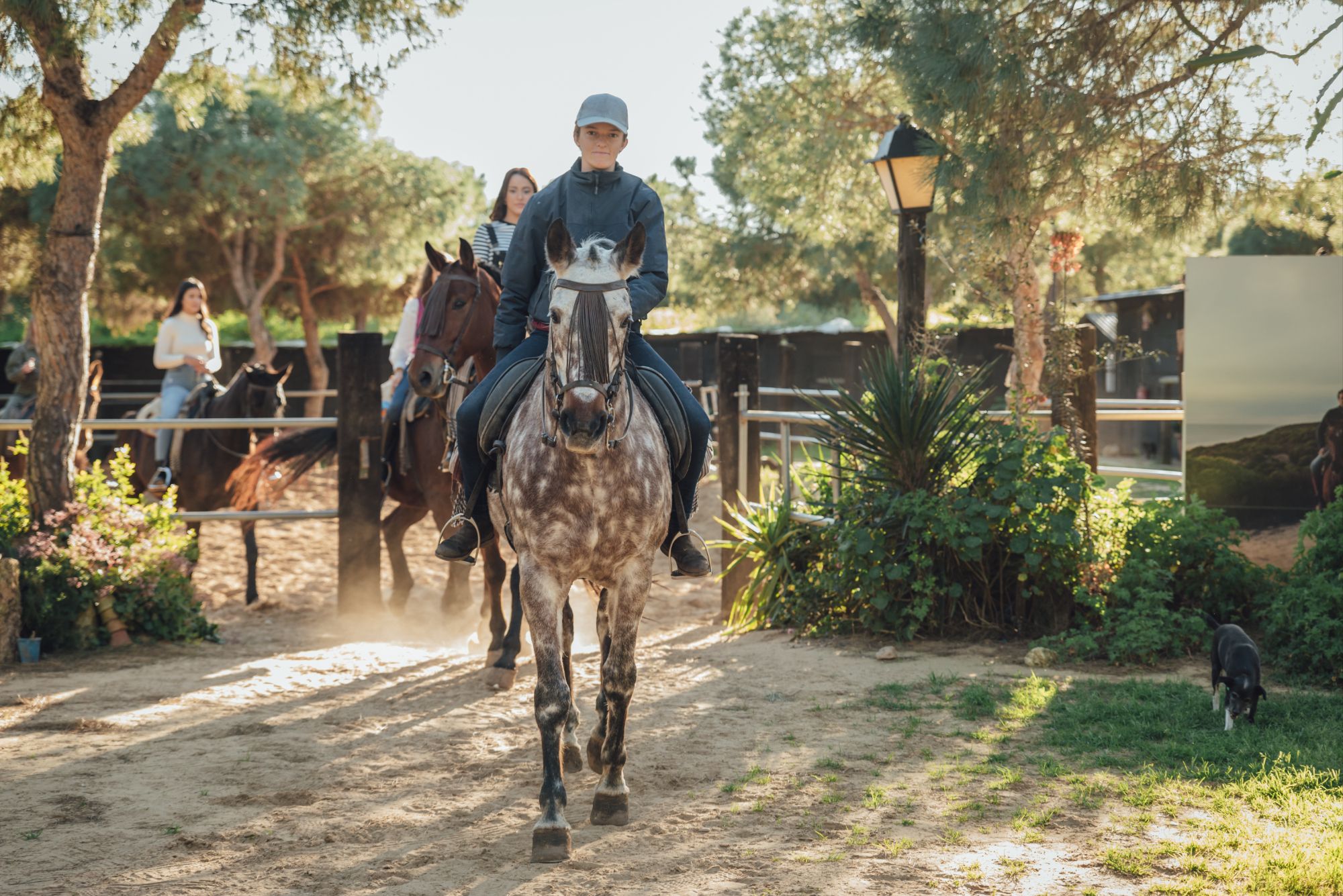
San Juan Capistrano’s trail network is one of the city’s greatest equestrian assets and one many relocating buyers do not fully appreciate until they see it in person. More than 60 miles of maintained riding trails connect the city to San Clemente, Laguna Niguel, and Ladera Ranch, offering a level of access that is rare in coastal Southern California.
At the center of the system is the San Juan Creek Trail, which runs from Doheny State Beach to Antonio Parkway and includes a parallel equestrian path along much of the route. From this network, riders can reach beaches, historic downtown areas, golf course corridors, and additional trail systems, reflecting how deeply horse culture is woven into daily life here.
The result is not just trail access, but a genuinely usable riding lifestyle, with routes that range from flat creekside stretches to scenic hillside paths with canyon and ocean views.
Boarding & Training Facilities: The Community Ecosystem
One of San Juan Capistrano’s greatest advantages for horse owners is the strength of its equestrian infrastructure. For buyers who do not plan to keep horses at home, or who want access to professional boarding and training, the city offers a depth of facilities that few coastal Southern California communities can match.
|
Facility |
Key Highlights |
|---|---|
|
🏆 Rancho Mission Viejo Riding Park |
City-owned 40-acre venue at Ortega Highway and Avenida La Pata. Hosts major hunter-jumper, rodeo, western, and community events. |
|
🐎 San Juan Capistrano Equestrian Center |
Historic Oso Road facility with lighted arenas, respected trainers, and direct access to 44+ miles of trails. |
|
🌟 Rancho Sierra Vista Equestrian Center |
Family-owned since 1981, offering boarding, training, coastal trail access, and a strong equestrian community feel. |
|
🌲 Shady Maples Farm |
Full-service boarding and training with direct trail access and disciplines ranging from dressage to reining and hunter-jumper. |
|
🏠 Mission Trails Stables |
Family-owned stable beside the San Juan Creek Trail, known for spacious stalls, scenic riding access, and a welcoming atmosphere. |
Rancho Mission Viejo Riding Park: A National-Level Venue on Your Doorstep
For property buyers, the Riding Park matters for more than competition. As a permanent, city-owned equestrian facility secured under a long-term lease through June 2043, it helps ensure that high-level equestrian programming remains part of San Juan Capistrano for years to come. The agreement requires regular English and Western events, along with future community programming.
That gives the Riding Park importance well beyond its event calendar. It reflects a long-term civic commitment to preserving San Juan Capistrano’s equestrian identity. For buyers, that adds real value. This is not just a local amenity. It is part of the city’s foundation and future.
What Every Buyer Must Evaluate Before Making an Offer
San Juan Capistrano equestrian property is one of the most specialized segments of residential real estate in coastal California. Before going into contract, buyers and their advisors need to complete careful due diligence to confirm exactly what a property can support and how it can realistically be used.
🏞️ Zoning
Verify zoning at the parcel level. Request the APN record from the San Juan Capistrano Planning Department and confirm the base designation, whether RA, RSE-40,000, RSE-20,000, HR, or another category. Never rely only on a listing’s description. Zoning applies parcel by parcel, and nearby lots may have very different rights.
📝 HOA Rules
Review all HOA rules and CC&Rs carefully. Even in equestrian-oriented communities, governing documents may limit the number of horses, restrict boarding, impose facility setbacks, or regulate manure management. Read the full documents, not just a summary.
📜 Permits
Assess the condition and permit status of all existing horse facilities. Barns, stables, arenas, and paddocks may have been built under old permits, changed conditions, or without permits at all. Request permit records for equestrian improvements through the city’s Building Department.
🏃🏼➡️ Trail Access
Confirm trail access for the specific property. Not every equestrian parcel has direct legal access from the gate. Access may depend on easements, shared routes, or road connections, and should be verified through title and city records.
💧 Water
Evaluate water supply and infrastructure. Horse properties require significant water capacity, especially with multiple horses, wash areas, irrigation, or automatic systems. Confirm the source, provider, meter size, and overall infrastructure before closing.
💰 Insurance
Review wildfire exposure and insurance early. Canyon-adjacent and hillside parcels may face higher risk and more limited insurance options. Confirm current coverage and obtain insurance quotes before removing contingencies.
💲Costs
Model the full cost of ownership. Beyond the mortgage, equestrian properties may involve taxes, insurance, HOA fees, feed, bedding, veterinary care, farrier services, maintenance, manure management, and possible off-site boarding.
💪🏽 Expertise
Work with an agent who understands equestrian real estate. San Juan Capistrano equestrian property requires knowledge of zoning, land use, facilities, trail systems, and neighborhood-specific nuances that a generalist may miss.
Equestrian Neighborhood Prices
|
Area |
Typical Price Range |
|---|---|
|
The Hunt Club |
$5M+ |
|
San Juan Hills Estates |
$2.5M to $10M |
|
Mission Hills Ranch |
$2.5M to $6M |
|
Los Corrales |
Mid-range |
|
Average Horse Property Listing |
About $4.99M |
|
Average Cost Per Acre |
About $225K |
All figures are estimates and should be verified at the parcel level before any offer is made.
Trail and Facility Quick Facts
|
Metric |
Figure |
|---|---|
|
Miles of Riding Trails |
60+ |
|
San Juan Capistrano Equestrian Center Trail Access |
44+ miles |
|
Riding Park Lease Term |
Through 2043 |
|
Minimum Annual Events |
10 |
|
Drive to Doheny State Beach |
About 5 minutes |
Zoning Designations to Know
|
Zoning Designation |
What It Means |
|---|---|
|
RA — Residential/Agriculture |
The most flexible designation for equestrian use |
|
RSE-40,000 |
Approximately 40,000 sq ft minimum lot size and generally equestrian-compatible |
|
RSE-20,000 |
Smaller lots where equestrian use should be verified carefully |
|
HR — Hillside Residential |
More dependent on slope and site conditions, requiring parcel-specific review |
San Juan Capistrano equestrian property offers something very few places in coastal Orange County still can: a true horse lifestyle supported by land, trails, facilities, and long-standing community identity. But it is also a market where appearances can be misleading. A beautiful property may look equestrian-friendly while carrying meaningful zoning, HOA, access, or infrastructure limitations.
That is why this category rewards informed buyers. With the right guidance and careful due diligence, San Juan Capistrano can offer an exceptional blend of privacy, lifestyle, schooling, and coastal proximity. For buyers seeking more than just a home, and instead a property that supports how they truly want to live, it remains one of the most distinctive opportunities in Southern California.

Susan Chase Group | Compass
Dana Point, California
949-370-6950
susan.chase@compass.com
livingincoastaloc.com
🙋🏼♀️ I’m Susan Chase, your South Orange County Realtor, advisor and guide, helping buyers, sellers, and relocations right-size and find a coastal home and lifestyle they’ll love. ❤️
Categories
- All Blogs (162)
- 2026 Harbor & Coast Reports (3)
- Coastal OC Lifestyle (17)
- Guides (18)
- Into the Weekend with Susan (1)
- Living in Dana Point (20)
- Living in Laguna Beach (20)
- Living in Laguna Niguel (19)
- Living in San Clemente (18)
- Living in San Juan Capistrano (17)
- Micro-Market Deep Dives (5)
- Relocation (3)
- Right Sizing Strategy (6)
- Strategic Market Intelligence (17)
Recent Posts






REVIEWS