
What Does it Actually Take to Sell a Home in Coastal South Orange County
Most sellers I meet have done some version of the same preparation. They have looked at recent sales in their neighborhood, they have a number in mind, and they have a rough sense of what needs to be done to get the house ready. That foundation is valuable. But the gap between a well-prepared seller and a strategically positioned one is where the real outcome differences live — and in the coastal South Orange County luxury market, those differences are meaningful.
This guide walks through every stage of the selling process the way I actually work through it with my clients: from the first conversation about whether the timing is right, through pricing strategy, preparation, marketing, showings, negotiations, escrow, and the final close. Not as a generic outline, but as a specific account of what I do, why I do it, and what separates the transactions that achieve top-dollar outcomes from the ones that leave value behind.
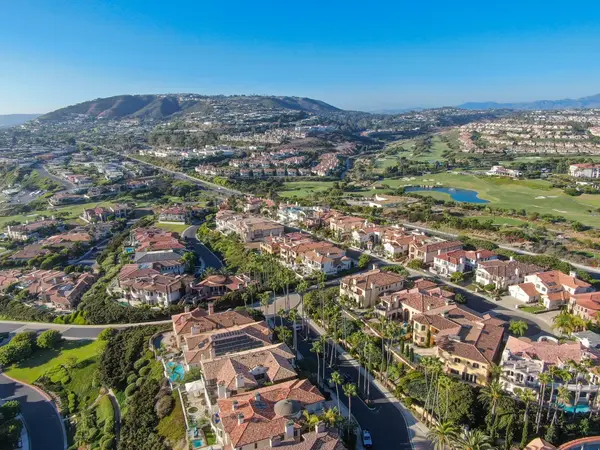
I work across five coastal communities: Dana Point, Laguna Niguel, Laguna Beach, San Clemente, and San Juan Capistrano. The process is consistent, but the nuances are specific to each market. Where those market differences matter, I will name them. If you are also navigating the buyer side of this transition, my 2026 coastal South OC buyer's guide covers that process in the same depth.
A well-executed sale in this market is not an accident. It is the result of decisions made weeks and sometimes months before the listing goes live — and of staying disciplined through every stage after it does.
The 2026 Coastal South OC Selling Process at a Glance
The table below maps the full nine-stage process, what is at stake at each step, and where strategic guidance makes the most material difference to the final outcome.
|
Stage |
Typical Timeline |
Key Decision |
Biggest Risk |
Susan's Primary Role |
What Separates Top-Dollar Outcomes |
|
1. Goal-Setting & Consultation |
Week 1 |
Is now the right time, and what does success look like? |
Misaligned expectations on price or timing |
Listen first; align goals with market reality |
Sellers who understand the market before they list — not after |
|
2. Property Evaluation & Pricing |
Weeks 1–2 |
What price positions the property to win? |
Overpricing to test the market; underpricing from fear |
Deliver a rigorous, data-grounded CMA |
Pricing that attracts multiple offers rather than prolonged negotiations |
|
3. Pre-Listing Preparation |
Weeks 2–6 |
Which improvements generate the best return? |
Over-improving; under-preparing; ignoring curb appeal |
Prioritize ROI-focused work; coordinate vendors |
Homes that present as move-in ready command a meaningful premium |
|
4. Photography, Video & Marketing |
Week 6–7 |
How should this property be positioned and to whom? |
Generic photography; weak listing copy; no off-market exposure |
Direct the visual production; write the narrative |
Marketing that reaches qualified buyers before the MLS does |
|
5. Going Live & Launch Week |
Day 1–7 on market |
How do we generate maximum early momentum? |
Soft launch without a strategy; poor showing management |
Orchestrate the launch sequence across all channels |
A coordinated debut that signals confidence, not desperation |
|
6. Showings & Offer Review |
Days 1–21 on market |
Which offer is actually the strongest? |
Accepting the highest number without reading the full terms |
Analyze every offer; advise on risk and leverage |
Understanding that terms, contingencies and buyer quality matter as much as price |
|
7. Negotiation & Acceptance |
Days 3–14 on market |
How do we negotiate without damaging the deal? |
Emotional counters that lose buyers; leaving money on the table |
Negotiate with data, not ego |
Precision counter-offers that close the gap without ending the conversation |
|
8. Escrow Management |
Days 1–30 of escrow |
What should we concede on inspection findings? |
Over-conceding on credits; buyer remorse before close |
Manage the inspection response; keep buyer engaged |
Holding position on what is reasonable while resolving what is legitimate |
|
9. Closing |
Day 30–35 of escrow |
Are all conditions satisfied and docs correct? |
Closing cost surprises; last-minute buyer walkthrough issues |
Review settlement statement; confirm final walkthrough |
Arriving at the table with every detail already verified |
Timelines assume a property in good condition entering the process. Homes requiring significant pre-listing work may require an additional two to six weeks in preparation. Market conditions as of early 2026 — all timelines are subject to change.
Stage 1: The First Consultation — What Are We Actually Trying to Achieve?
The first conversation I have with a seller is not about the property. It is about the seller. The property comes second, because the property's position in the market only makes sense once I understand what success looks like for the person who owns it.
Those two things are often related but not identical. A seller who needs to close by a specific date has different strategic priorities than a seller who can hold out for the right offer. A seller navigating an estate sale or a divorce has different emotional and logistical constraints than a seller who has been methodically planning a move for eighteen months. I need to understand which situation I am actually in before I can give useful advice.
The Questions I Ask Before I Ask About the Property
- What is driving the decision to sell, and is the timing genuinely motivated or is it exploratory?
- What does a successful outcome look like — is it primarily price, certainty, speed, or discretion?
- Are there any constraints on timing, occupancy, or proceeds that need to be built into the strategy from the start?
- What is the plan for after the sale — a purchase in the same market, a relocation, a downsize — and does that plan affect how we approach this one?
- Has the property been recently updated or is it being sold largely as-is, and what is the seller's appetite for pre-listing investment?
The answers to these questions shape everything that follows. A seller who wants maximum price and has twelve weeks of flexibility gets a very different strategic recommendation than one who needs to close in thirty days and is unwilling to spend on preparation. Neither approach is wrong — but each requires honesty about what is actually achievable under the given constraints.
Susan's Starting Point: Before I present a pricing strategy or a preparation plan, I ask sellers to tell me what a bad outcome would look like. That answer usually reveals more about their real priorities than any other question I ask.
For sellers who are not yet certain whether to sell, whether the timing is right, or what their property is worth in the current market, a free home valuation is the right first step. That is available at livingincoastaloc.com/evaluation. A valuation gives us a specific, current number to build the conversation around.

Stage 2: Pricing Strategy — The Single Decision That Shapes Everything Else
Pricing is where I spend the most time before any listing goes live, and it is the stage where the most seller value is either created or lost. Get pricing right and everything else in the process becomes easier. Overprice and no amount of marketing, staging, or negotiating skill recovers the ground you lose in the first two weeks.
Why Overpricing Is the Most Common and Costly Mistake
The logic sellers use to justify overpricing is understandable: "We can always come down." What that framing misses is the cost of the days on market those reductions create. In coastal South OC, buyers — and their agents — watch days on market closely. A property that has been sitting for 45 days and had a price reduction carries a perception problem that is very difficult to reverse, regardless of whether the original price was simply too high. That stigma affects both the final sale price and the quality of offers you receive after the reduction.
Properties that are priced correctly from the start attract more showings in the first seven days, generate more genuine buyer interest, and are more likely to produce the competitive offer environment that actually delivers a price above the initial list. The math on strategic pricing consistently outperforms the math on aspirational pricing followed by reductions.
What a Rigorous Comparative Market Analysis Actually Involves
My pricing analysis goes beyond running comparables in a two-mile radius. In a luxury coastal market, comparables have to be evaluated for condition, view premium, proximity to the water, lot configuration, HOA fee structure, and whether any Mello-Roos obligation exists. Two properties that closed at the same price in the same quarter may have been serving completely different buyer profiles.
I also analyze current active competition, not just closed sales. What is your property competing against right now? How is it positioned relative to the other options buyers can see today? A property that would have supported a specific price six months ago may need to be positioned differently if the competing inventory picture has shifted. Pricing is always a current conversation, not a historical one.
A Useful Distinction: There is a difference between what your property is worth and what it will sell for. Worth is a function of its attributes. What it sells for is a function of how it is positioned, prepared, and marketed relative to the competition it actually faces. My job is to make those two numbers as close as possible — and sometimes, to make the second number exceed the first.
For sellers in Dana Point specifically, my guide to the five questions to ask before listing is a useful complement to this stage of the process. The pricing conversation belongs inside that larger strategic framing.
Stage 3: Pre-Listing Preparation — What to Fix, What to Finish, and What to Leave Alone
Pre-listing preparation is one of the most consequential stages of the selling process and the one sellers most commonly either over-invest in or underinvest in. The goal is not to renovate the property. The goal is to remove every objection a buyer might use to justify a lower offer, while ensuring the home presents at its absolute best within a reasonable budget and timeline.
The Return on Investment Question
Not every improvement generates a return, and some investments actively reduce net proceeds by spending more than they recover. The improvements that consistently deliver value in coastal South OC luxury transactions are ones that address visible condition issues — fresh paint in neutral coastal palettes, refinished or replaced flooring where wear is apparent, updated hardware and fixtures in kitchens and bathrooms that are otherwise in good condition, and landscaping and exterior pressure washing that restore curb appeal.
Full kitchen or bathroom renovations prior to sale are rarely advisable unless the existing finishes are actively deterring buyers at the price point you are targeting. A buyer purchasing at $2.5 million expects the opportunity to customize those spaces to their own taste. Cosmetic refresh, thorough cleaning, and de-cluttering routinely generate far higher returns per dollar spent than structural renovations.
I have covered the specific renovations that generate the strongest returns in this market in detail in my guide to preparing your coastal home for sale: five renovations that actually pay off. That guide is the practical companion to this stage of the process.
Staging: What It Is and What It Is Not
Staging is not decorating. It is an exercise in helping buyers see themselves living in the space. The objective is to create an emotional response — a sense of calm, of possibility, of aspiration — that translates into a higher offer. In coastal South OC, that typically means clean, light, and referencing the outdoor and coastal environment rather than competing with it.
I work with a small group of staging professionals who understand what coastal luxury buyers in this market respond to. Furniture scale, artwork placement, light sourcing, and the careful removal of personal items that create psychological distance for a buyer are all part of this discipline. The detail work matters more than most sellers expect. My staging guide for coastal homes in Dana Point covers the specific design choices that work in this market and, importantly, the ones that consistently underperform.

Pre-Inspections: A Strategic Advantage
I recommend that most sellers commission a pre-listing home inspection before we go live. This is not standard practice, and some agents actively discourage it. My view is the opposite: discovering issues before a buyer's inspector finds them gives us control over the narrative and the remedy. We decide how to address findings, what to disclose, and how to price accordingly — rather than having those decisions forced on us mid-escrow under time pressure and with a motivated buyer watching.
A seller who knows exactly what their property's condition picture looks like before going to market is in a fundamentally stronger negotiating position than one who finds out when the buyer's inspector does.
Stage 4: Photography, Video, and the Full Marketing Strategy
Marketing a coastal luxury property in 2026 is not primarily about getting the listing onto the MLS. The MLS is table stakes. The actual work of marketing is about creating the right first impression on the right buyer before they have even decided to schedule a showing — and about reaching buyers who may not yet be actively searching the MLS at all.
Visual Production: Where the First Impression Lives
The overwhelming majority of buyers first encounter a property through photography. That first encounter either creates enough interest to generate a showing or it does not. There is no neutral outcome. A property photographed with a wide-angle lens on a gray day is actively communicating something about how the seller and agent value the listing — and buyers receive that message.
For the properties I represent, I bring in professional photographers who specialize in architectural and real estate work in coastal settings. Shooting time, weather conditions, and interior lighting are all managed deliberately. For properties with meaningful outdoor living spaces, ocean views, or architectural features that do not read in standard photography, aerial drone footage is standard. For higher-end listings, video and virtual tour content extends the reach to relocation buyers who are making preliminary decisions remotely.
The specific choices that make a difference in how a coastal property photographs — and the ones that backfire — are covered in detail in my guide to photography and video for Dana Point home sellers.
The Pre-MLS Exposure Strategy
One of the advantages of working with an agent with an active professional network is the ability to generate buyer interest before the listing is publicly available. Through Compass's Coming Soon platform, through my own buyer client database, and through direct outreach to agents who have recently represented buyers in this price range and area, I can sometimes create pre-market interest that either generates an offer before the public launch or creates momentum that amplifies the launch week response.
This is not the right strategy for every property. For some listings, a clean public debut is more valuable than a pre-market process that may reduce the competitive offer environment. The decision depends on the specific property, the current inventory picture, and what we know about motivated buyers in the pipeline.
Listing Copy: The Narrative That Does the Work
Listing copy for a luxury coastal property should accomplish two things: describe the property accurately, and evoke the lifestyle it offers. Most listing copy does neither well. Generic descriptions focused on bedroom counts and square footage tell a buyer nothing they could not read from the field data. What buyers of aspirational coastal properties respond to is the language of lifestyle — the morning light on the water, the indoor-outdoor flow, the specific character of the neighborhood.
I write all listing copy personally. That is not the standard approach, but I believe it matters. The agent who knows the property, who has walked every room, who has listened to what the seller loves about living there, writes better copy than any template.
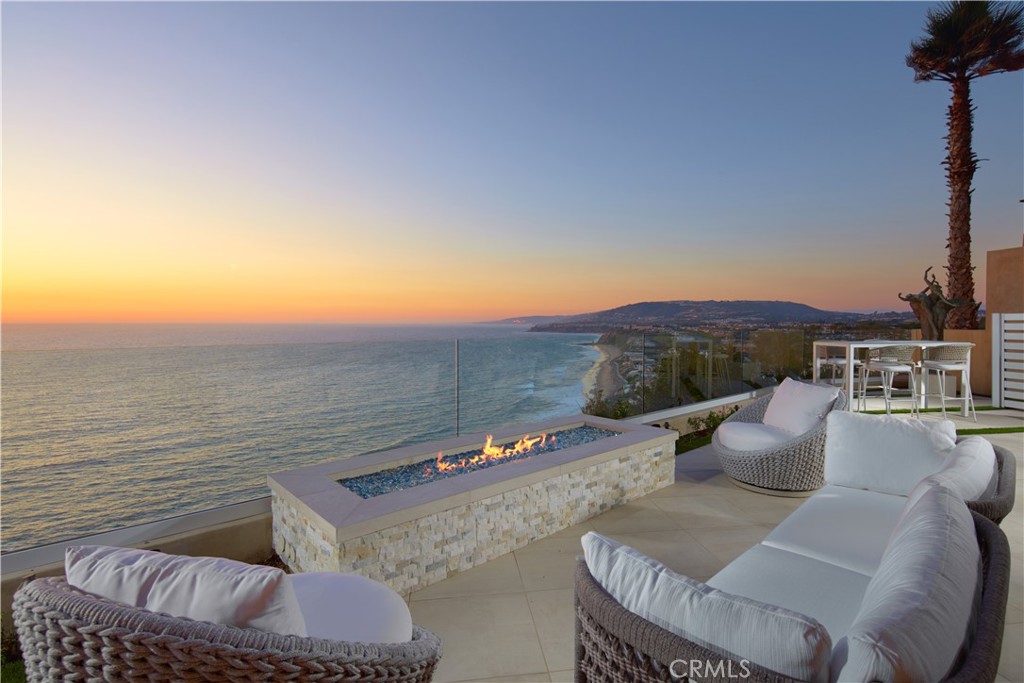
Social Media and Paid Digital Advertising: Reaching the Right Buyer, Not Just the Nearest One
Most listings reach the MLS and the local agent community. What separates a strategically marketed property is its ability to find buyers who are not yet looking locally but who, given the right visibility at the right moment, would very much want to.
Coastal South Orange County draws buyers from a wider geographic pool than most markets. The buyer for a $2 million home in Dana Point or Laguna Niguel is as likely to be finishing a lease in Los Angeles as they are to be two streets over. They may be relocating from the San Francisco Bay Area, Phoenix, Seattle, or Texas. They may be a second-home buyer who has not yet connected the coastal OC lifestyle to their active search. Reaching those buyers requires a platform strategy that goes well beyond listing syndication.
Organic Social Content: Building the Case Before the Showing
The properties I represent are introduced to market through a coordinated social media presence built around my established coastal OC audience. This is not a single listing post. It is a sequence of content designed to do specific work at each stage of a buyer's decision process.
Before a listing goes live, I use preview content to create anticipation among followers who are already engaged with coastal OC real estate. During the active listing period, I publish Reels that highlight the most compelling aspects of the property: the outdoor space, the views, the neighborhood context, the lifestyle this home enables. Carousel posts walk interested buyers through the floor plan and finishes without requiring them to ask for a showing first. Each piece of content is accompanied by copy specific to the property's story, not a generic caption.
For buyers who follow me from Los Angeles or from out of state, this content functions as an education. They are learning what $2.2 million actually looks like in Laguna Niguel. They are beginning to understand the difference between Dana Point's waterfront neighborhoods. They are connecting a coastal lifestyle they have only considered in the abstract with a specific property that makes it concrete. That process happens through content, often weeks before a showing request arrives.
Paid Meta Advertising: Reaching Beyond the Followers
Organic reach is not sufficient by itself. Paid advertising on Meta allows me to extend a listing's visibility to buyers who do not yet follow me but who match the profile of likely purchasers for a specific property. For most of the properties I represent, the paid campaign is structured to reach several distinct buyer audiences simultaneously.
The local and regional audience targets buyers within coastal Orange County and inland OC who are in an active search or who have recently engaged with luxury real estate content. These are move-up buyers, right-sizers, and buyers currently tracking the market from adjacent price ranges. The ads they see are designed to prompt a specific action: a property page visit, a showing request, or a direct message.
The Los Angeles feeder market audience is among the most valuable for coastal South OC sellers. Buyers in West LA, the Westside, the South Bay, and the San Fernando Valley represent a consistent and motivated flow of demand for properties in this market. Many are equity-rich after years in the LA market, professionally mobile, and drawn by the lifestyle differential between where they live now and what coastal OC offers. Paid campaigns targeted to this audience lead with lifestyle content that speaks to that differential, not just to the property's specifications.
Beyond Los Angeles, I run targeted campaigns into the primary out-of-state feeder markets for coastal Southern California luxury real estate: the San Francisco Bay Area, Phoenix and Scottsdale, the Pacific Northwest, and Texas. Buyers from these markets are often relocating for lifestyle or climate reasons, are comfortable at higher price points, and respond to coastal OC properties as a direct opportunity to upgrade into a coastal environment. The creative strategy for these campaigns reflects that motivation. It leads with the place and the lifestyle, not with bedroom counts.
Retargeting campaigns reach buyers who have already visited the property's landing page or engaged with listing content but have not yet taken a direct action. A buyer who spent three minutes on a property page and did not call is not a lost lead. They are a warm prospect who needed one more touchpoint. Retargeting ads bring them back, often with additional content, such as a neighborhood video or a lifestyle piece about the community, that moves them from consideration to contact.
Paid Google Campaigns: Capturing Active Search Intent
While Meta advertising reaches buyers based on profile and behavior, Google advertising reaches buyers who are actively searching. For higher-visibility listings, I run search campaigns designed to capture buyers typing specific queries: homes for sale in Dana Point, luxury real estate Laguna Niguel, ocean view homes coastal Orange County. These are buyers who have already declared their intent. The ad connects that intent directly to the specific listing.
Display campaigns extend this reach to buyers who are researching coastal OC broadly, visiting community pages, reading market reports, exploring neighborhood guides, but who have not yet connected their research to an active listing search. For buyers in the awareness and consideration stages, display advertising plants a flag in their research journey at exactly the right moment.
On Buyer Reach: A buyer who arrives at a showing already familiar with the property's location, views, and lifestyle context is a fundamentally different buyer than one encountering it for the first time. They are further along in their decision process and more likely to move quickly and confidently. That is the offer environment sellers are actually trying to create.
Why the Full Digital Strategy Matters for Your Outcome
The goal of a multi-channel digital marketing strategy is not to generate the most clicks. It is to ensure that when the right buyer is ready to act, this property is already in their consideration set. For a seller, that distinction matters enormously. A well-qualified, well-informed buyer who has been following the listing for two weeks before it goes live represents a different kind of offer than one who found the property by accident on Zillow an hour ago.
This is the part of the marketing strategy that is hardest to see from the outside and most consequential on the inside. The showing count, the offer quality, and the timeline to acceptance are all downstream of how well the listing was distributed in the weeks before and after it went live. Getting that distribution right is one of the areas where the difference between a capable agent and a strategically equipped one shows most clearly in the final number.
Stage 5: Going Live — How Launch Week Sets the Tone for Everything After It
The first seven days on market are the highest-leverage period of the entire sale. Buyer interest is most concentrated at the moment of debut. Agents actively tracking inventory in your price range will see the new listing immediately. Buyers who have been waiting for the right property will respond. The showing schedule, the open house, and the early feedback all happen in a window that cannot be recreated once it passes.
What a Coordinated Launch Looks Like
A property launch is not simply pressing publish on a listing. It is a coordinated sequence: the Compass Coming Soon exposure in the days prior, the MLS activation on a Thursday or Friday to capture the peak weekend showing window, the broker preview for local agents who may have buyers, the public open house scheduled for that first weekend, the social media distribution, and the email outreach to my buyer database.
Offer timing strategy is part of the launch plan, not an afterthought. For properties where multiple offers are likely, I advise sellers to set an offer review date three to five days after going live rather than accepting the first offer received. This creates a competitive environment that is in the seller's interest. For properties in a slower segment or with unique attributes, a different approach may be appropriate — but that decision belongs in the planning stage, before the listing goes active.
Managing Showings and Feedback
Every showing is an opportunity to gather information, not just to display the property. I collect feedback from every showing agent, track which buyers have returned for second looks, and monitor the showing schedule to assess momentum. A property generating fifteen showings in the first week is telling us something different than one generating five, and that information should inform how we respond if offers do not materialize on the anticipated timeline.
On Offer Deadlines: Setting an offer review date is not a tactic — it is a signal to the market that the seller is confident and that the property is worth competing for. Buyers and agents respond to that signal. It sets a tone that a one-offer-at-a-time negotiation cannot.
Stage 6: Reviewing Offers — Why the Highest Number Is Not Always the Strongest Offer
When offers arrive, the instinct is to focus immediately on the price. That is understandable but incomplete. In a luxury coastal transaction, the price is one variable in a package that also includes the down payment, the financing structure, the contingency terms and timelines, the requested close date, the earnest money deposit, any seller concessions or requests, and the overall credibility of the buyer. All of those factors affect whether the transaction actually closes.
Reading an Offer Beyond the Number
A high offer from a buyer with uncertain financing is worth less than a clean offer from a well-qualified buyer, even at a lower number. I have seen transactions fall out of escrow at $2.5 million because the buyer was not fully underwritten and the property then relisted into a softened market. The cost of that failed escrow — in time, in carrying costs, in market perception — often exceeds whatever additional price the aggressive offer initially offered.
I prepare a comparative analysis of every offer that breaks down not just price but buyer qualification, contingency risk, and the probability of a clean close. That analysis is what drives my recommendation to sellers, not just the top-line numbers. For sellers receiving multiple offers, this kind of structured comparison is the only way to make a genuinely informed decision.
Counter-Offer Strategy
A counter-offer is a negotiation, and every negotiation has a tone. Counters that are aggressive beyond what the market supports create friction that can end a deal that was otherwise proceeding well. Counters that are too accommodating signal uncertainty about the property's value. The goal is a counter that is confident, specific, and grounded in the data — one that moves the buyer toward a better offer without creating doubt about the seller's resolve.
When multiple offers are present, the counter process is different. I typically work with sellers to identify the one or two strongest candidates, counter selectively, and use the competitive environment to tighten terms and close the gap rather than simply accepting the highest headline number with unfavorable terms attached.
The best offer is not always the one with the biggest number. It is the one most likely to close — cleanly, on schedule, at a price that reflects what the property is genuinely worth.
Stage 7: Negotiation — Holding Position on What Matters Without Losing the Buyer
The period between an accepted offer and the removal of contingencies is where many transactions either consolidate or begin to unravel. Buyers in this market are often sophisticated and their agents are experienced. Requests for credits, extended timelines, and renegotiations based on inspection findings are normal. The question is not whether they will occur — it is how to respond in a way that preserves the transaction without unnecessarily conceding value.
The Psychology of the Post-Acceptance Period
Buyer enthusiasm is highest at the moment of acceptance and tends to moderate as the inspection process reveals the property's inevitable imperfections. My job during this period is to keep both parties focused on the outcome rather than the friction. A seller who responds to every inspection finding with a terse refusal loses the buyer. A seller who capitulates to every request leaves money behind and signals that further pressure will be rewarded.
The distinction that matters is between issues that are genuinely material — things that affect the property's livability, safety, or disclosed condition — and issues that are cosmetic, expected, or simply leverage-seeking. My response strategy is to address the former thoughtfully and hold firm on the latter, with an explanation that is honest and grounded rather than defensive.
For sellers who are also planning a purchase, the negotiation period is often where the two transactions interact most directly. Managing the timing of contingency removal and close dates across a concurrent buy-sell requires careful coordination. My downsizing guide for Dana Point sellers addresses that specific situation in detail.
Stage 8: Managing Escrow — Keeping the Transaction on Track from Acceptance to Close
Once an offer is accepted and escrow opens, the transaction enters its most administratively intensive phase. Documents need to be signed, delivered, and reviewed. The buyer's lender is moving through underwriting. The title company is conducting its search. The inspection process is generating reports and possibly requests. Every one of these tracks has a timeline, and a delay on any one of them can affect the closing date.
What I Am Managing During Escrow
- Coordinating with the escrow officer to confirm that all seller-side documents are delivered on time and correctly
- Monitoring the buyer's loan progress and maintaining communication with the buyer's agent about underwriting status
- Reviewing the preliminary title report for anything that requires attention on the seller's side — liens, easements, or recorded items that need to be resolved
- Managing the inspection response, as described in the previous stage, including any agreed-upon repairs or credits
- Confirming that any contingency removal deadlines are honored by the buyer on schedule
- Tracking the appraisal process and, if an appraisal comes in below contract price, evaluating the options and recommending a response
Sellers are often surprised by how much is happening in escrow that is invisible to them — and by how much active management is required to keep it moving. My role is to keep every track on schedule, surface problems before they become crises, and keep the seller informed without creating unnecessary anxiety.
The Appraisal: Preparation and Response
Luxury coastal properties are challenging to appraise accurately because comparable sales at the relevant price points are less frequent and appraiser familiarity with specific coastal sub-markets varies significantly. A property that is priced correctly but appraises below contract creates a gap that must be resolved before the transaction can close.
I prepare sellers for this possibility in advance, and I prepare an appraisal package for the listing that documents the relevant comparable sales, the specific attributes that justify the contract price, and any off-market or private sales data that a standard MLS search might not capture. A well-presented appraisal package does not guarantee a favorable appraisal — but it gives the appraiser the best available foundation for an accurate one.
Stage 9: Closing Day — And What a Smooth One Actually Requires
For sellers who have been well-prepared and well-represented at every prior stage, closing day should be straightforward. The decisions are behind them. The numbers have been reviewed. The property has been walked through and confirmed. What remains is the paperwork, the funding, and the handover of keys.
Reviewing the Settlement Statement
The closing disclosure arrives before the signing appointment, and I review it with every seller before they sit down to sign. Every fee on that document has a name and a justification, and sellers are entitled to understand each one. Errors happen occasionally — in commission calculations, in proration figures, or in the recording of credits agreed to earlier in escrow. Catching them before signing is significantly easier than correcting them after the fact.
The Final Walkthrough
The buyer's final walkthrough happens in the 24 to 48 hours before closing. Sellers sometimes view this as a formality. I treat it as the last real checkpoint in the transaction. The property should be in the same condition it was at the time of acceptance — clean, with all agreed-upon repairs completed, all personal property removed unless conveying, and all appliances and fixtures present and functional. A problem discovered at the final walkthrough that had been known and unaddressed is a problem that belongs to the seller.
Funding and recording typically happen on the same day in California. Once the deed records at the county, the transaction is complete and the proceeds are released by the escrow company. For most sellers, that is the moment the sale becomes real — and when the work done in every prior stage either justifies itself or does not.
The sellers who feel genuinely satisfied at the closing table are not just the ones who got a strong number. They are the ones who understood every decision along the way and made each one with clear eyes.

Frequently Asked Questions
How long does it take to sell a luxury home in coastal South Orange County?
From the first conversation about listing to the close of escrow, most well-prepared sellers in coastal South OC should plan for eight to twelve weeks total. That includes two to four weeks of pre-listing preparation, one to three weeks on market for a well-priced property, and thirty to thirty-five days in escrow. Properties requiring significant preparation work may add additional weeks at the front end. Properties priced incorrectly may add significant time at the market stage.
Should I complete renovations before listing, or sell the home as-is?
The right answer depends on the specific property, the price point, and the current buyer appetite in that segment. In general, cosmetic updates — fresh paint, refreshed landscaping, updated hardware, thorough cleaning and decluttering — generate reliable returns. Full kitchen or bathroom renovations rarely recover their cost in the sale price and may remove finishes that a buyer at the luxury level would prefer to select themselves. My guide to the five renovations that actually pay off covers the specific decisions that matter most in this market.
What is the best time of year to sell in coastal South Orange County?
The spring selling season, typically February through May, historically produces the most active buyer demand and the most competitive offer environments in coastal South OC. That said, the coast has a more compressed seasonal swing than inland markets — well-priced, well-prepared properties sell in every month of the year here. Timing should be one factor in the decision, not the primary one. A seller who is genuinely ready to go in October will often find better results than one who waits for spring but is not adequately prepared.
How do I handle multiple offers without leaving money on the table?
The most effective approach is to set an offer review date that creates a defined competitive window, then evaluate every offer holistically — price, buyer qualification, contingency terms, and close date — rather than accepting the first or highest number in isolation. Counter-offering selectively among the strongest candidates, using the competitive environment to improve both price and terms simultaneously, typically produces better outcomes than simply accepting the highest headline number.
Do I need to disclose everything a home inspection finds?
In California, sellers are required to disclose all known material defects — conditions that would affect a reasonable buyer's decision to purchase or the price they would pay. This is a legal requirement, not a strategic choice. Beyond the legal standard, I advise sellers that full, proactive disclosure is also strategically sound: issues discovered post-closing are significantly more expensive to resolve than ones addressed before the transaction, and undisclosed defects expose sellers to liability that extends well beyond the sale proceeds.
What does it actually cost to sell a home in coastal South Orange County?
Total seller-side closing costs in California typically run approximately 7% to 8% of the sale price, including the real estate commission, escrow fees, transfer taxes, title insurance, and any negotiated concessions or credits to the buyer. At the price points common in coastal South OC, that represents a material figure that belongs in your net proceeds planning from the beginning of the process — not as a surprise at the signing table.
Ready to Have the First Conversation?
Whether you are actively planning to list in the next sixty days or are in the earlier stage of thinking through your options, the most useful next step is usually a direct, honest conversation about what your property is worth in the current market and what a strategic preparation and launch plan would look like for your specific situation.
A free home valuation is available at livingincoastaloc.com/evaluation. You can browse my approach, client resources, and current market content at www.livingincoastaloc.com. Find me on Instagram at @susanchasecoastaloc, or book a consultation directly at calendly.com/susan-chase-1/real-estate-consultation.

Susan Chase Group | Compass
Dana Point, California
949-370-6950
susan.chase@compass.com
livingincoastaloc.com
🙋🏼♀️ I’m Susan Chase, your South Orange County Realtor, advisor and guide, helping buyers, sellers, and relocations right-size and find a coastal home and lifestyle they’ll love. ❤️
External Authority Resources
- California Association of Realtors — Seller Disclosure Requirements — State-required disclosures for residential real estate sellers in California, including the Transfer Disclosure Statement and statutory requirements.
- California Department of Real Estate — Seller's Guide — Overview of the legal obligations, required disclosures, and regulatory framework governing residential property sales in California.
- Orange County Treasurer-Tax Collector — Property Tax Prorations — Property tax proration information relevant to the closing statement and seller's net proceeds calculation.
- Consumer Financial Protection Bureau — Understanding Closing Disclosures — Guidance on reading and verifying the closing disclosure that governs the final financial terms of a residential sale
Susan Chase Resources
- Thinking of Selling in Dana Point: Five Questions to Ask First
- 5 Renovations That Actually Pay Off Before Selling in 2026
- Staging a Coastal Home: Design Choices That Sell in Dana Point
- Photography and Video: Making Your Dana Point Home Look Its Best Online
- Downsizing in Dana Point
- Free Home Valuation
- Schedule a Seller Consultation
Categories
- All Blogs (151)
- 2026 Harbor & Coast Reports (2)
- Coastal OC Lifestyle (14)
- Guides (10)
- Into the Weekend with Susan (1)
- Living in Dana Point (19)
- Living in Laguna Beach (20)
- Living in Laguna Niguel (19)
- Living in San Clemente (18)
- Living in San Juan Capistrano (17)
- Micro-Market Deep Dives (5)
- Relocation (3)
- Right Sizing Strategy (6)
- Strategic Market Intelligence (18)
Recent Posts






REVIEWS