
San Clemente's Spanish Village Code: How Architectural Standards Shape What You Can (and Can't) Build
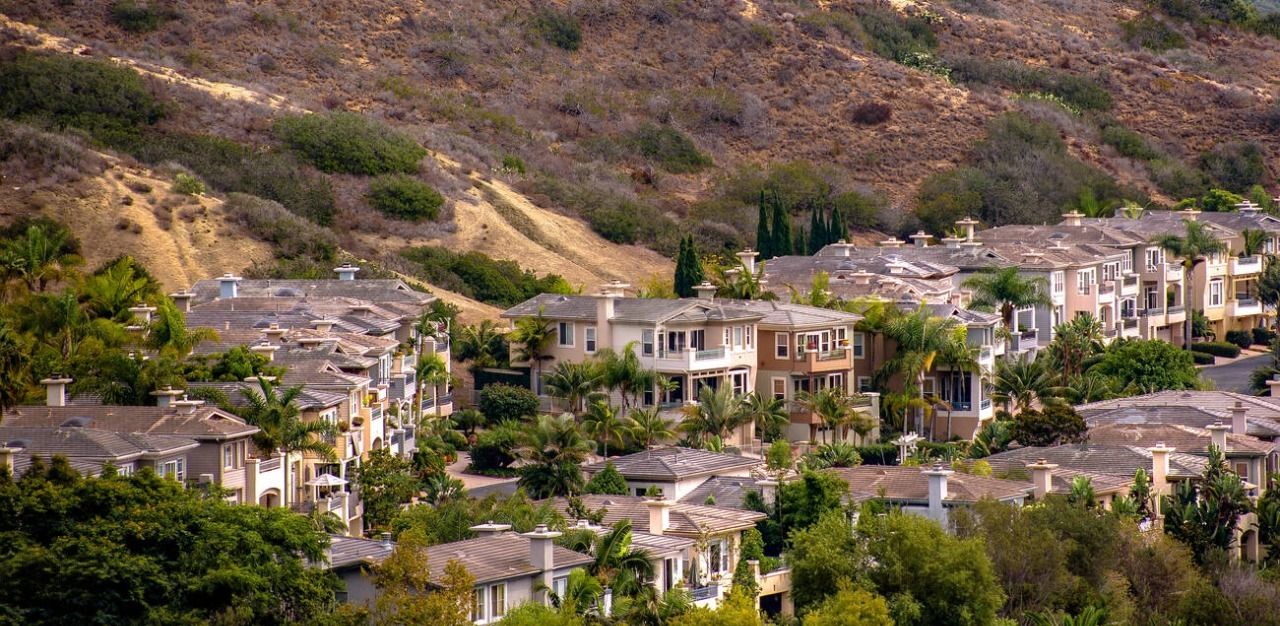
Drive Avenida Del Mar on a weekday morning and the town tells you what it is before anyone says a word. Red tile roofs. White and sand-colored walls. Arched windows catching the light. A bell tower or two. It reads as charm. It is also, quietly, a rulebook.
San Clemente was built as the Spanish Village by the Sea, and that phrase is not a tourism tagline a marketing team dreamed up last year. It is the founding instruction the town was constructed around, and a version of it still lives in the municipal code today. For most homeowners, it surfaces the first time they want to re-roof, repaint, add a second story, or swap out windows, and learn the change needs a city sign-off before a permit will issue.
If you are relocating from out of state, this is the part that tends to catch people after closing. You can buy a home in San Clemente without ever hearing the words design review. Then you plan your first real renovation and discover that the look of this city is not a coincidence. It is maintained on purpose. The buyer who understands that before writing an offer makes far better decisions than the one who finds out at the permit counter.
| Stat | Detail |
|---|---|
| 1925 | Ole Hanson launched San Clemente as a planned Spanish village |
| 1991 | The City Design Guidelines were formally adopted |
| 4 areas | Make up the Architectural Overlay District, where review is strictest |
Why "Spanish Village by the Sea" Is a Real Code, Not a Slogan
San Clemente did not grow the way most California beach towns did. In 1925, Ole Hanson, a former Seattle mayor, bought a long stretch of open coastal hills and set out to build an entire town from nothing, all of it in one architectural language. He brought in architect Carl Lindbom to carry the vision, and he wrote the look directly into the rules. The earliest building guidelines were blunt: structures had to be Spanish in type, roofs had to be covered in hand-made tile, and nothing could rise more than two stories, towers excepted.
For roughly the first twenty-five years, that was not a suggestion. Every building in San Clemente had to be approved as Spanish style, and a committee reviewed exterior plans before anything went up. The white-walled, red-roofed consistency you see across the older neighborhoods today is the direct result of that early enforcement.
The city has loosened since. The blanket citywide Spanish mandate is gone, and the formal City Design Guidelines used today were adopted in 1991. But the spirit was never dropped. It was concentrated. Rather than governing every parcel the same way, the San Clemente architectural code now applies with real teeth in specific areas and with a lighter touch elsewhere. Knowing which version applies to a given address is the whole game.
The look of San Clemente is not a coincidence. It is maintained on purpose.
Where the Code Applies, and Where It Loosens
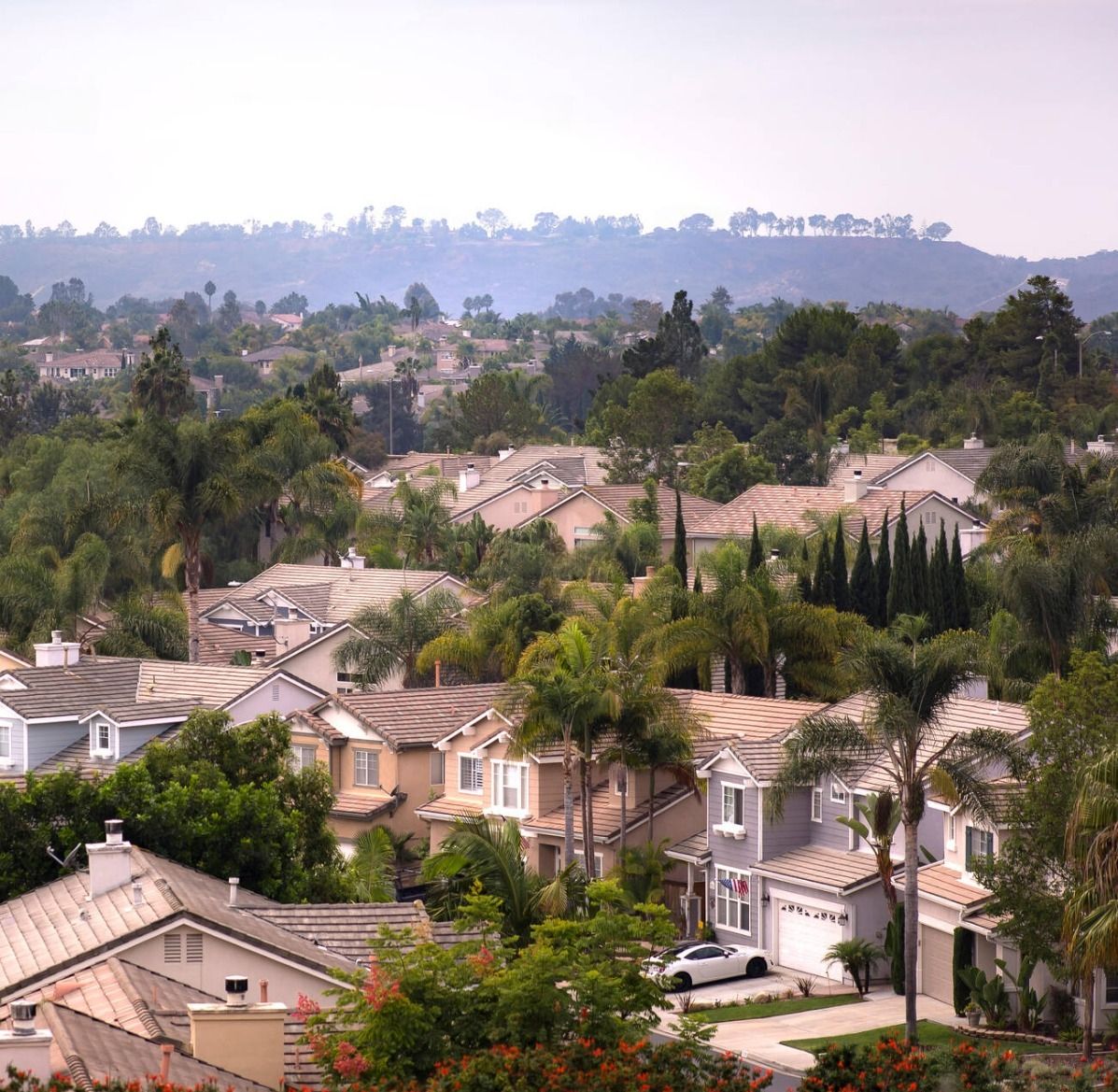
The strongest design control sits inside what the city calls the Architectural Overlay District. This covers some of San Clemente's most recognizable ground: the Pier Bowl, the Downtown Core, El Camino Real west of the 5, and North Beach. Projects here are measured against the Henry Lenny Architectural Design Guidelines, which spell out the Spanish Colonial Revival vocabulary in detail, from roof form to stucco texture to the rhythm of windows and doors.
Then there are the specific plan areas. Forster Ranch, Marblehead, Rancho San Clemente, Talega, and the West Pico Corridor each operate under their own plan, and most of those plans carry their own design guidelines layered on top of the citywide rules. A home in Talega is not governed by the same document as a bungalow in the Pier Bowl, even though both sit in San Clemente.
On top of all of it, a large share of the city falls inside the Coastal Zone. Work in that zone can require a Coastal Development Permit, which is a separate approval track with its own timeline and, in some cases, California Coastal Commission involvement. None of these layers cancel each other out. They stack.
| Where Your Home Sits | What Governs the Look | How Involved Review Tends to Be |
|---|---|---|
| Architectural Overlay District (Pier Bowl, Downtown Core, North Beach, El Camino Real west of I-5) | Henry Lenny Architectural Design Guidelines plus the City Design Guidelines | Highest. Exterior changes are closely reviewed against Spanish Colonial Revival standards |
| Specific plan areas (Forster Ranch, Marblehead, Rancho San Clemente, Talega, West Pico Corridor) | The area's specific plan design guidelines plus the City Design Guidelines | Moderate to high. Varies by plan; many carry their own architectural standards |
| Coastal Zone (a large portion of the city) | Coastal Development Permit process, sometimes Coastal Commission review | Adds a separate approval track and timeline on top of the design rules |
| Standard residential zones outside the overlays | City Design Guidelines as a reference, plus standard zoning and building code | Lighter. Many improvements can clear at the public counter |
How Design Review Actually Works

Here is the reassuring part. Not every project triggers a hearing. San Clemente handles a meaningful share of homeowner improvements over the counter at the Community Development Department, where staff can review and approve straightforward work without a public process.
The bigger or more visible the exterior change, the more likely it moves into discretionary review. That is the track where a project is evaluated by city staff and, for certain projects, the Design Review Subcommittee, often through a public hearing. Discretionary review is where the design guidelines stop being a reference document and start being a standard your plans have to meet.
What Tends to Push a Project Into Formal Review
- New construction, or a full teardown and rebuild
- Second-story additions, or significant changes to height and massing
- Exterior work on a property inside the Architectural Overlay District
- Anything touching a designated historic structure, or a property next to one
- Projects in the Coastal Zone that require a Coastal Development Permit
- Visible changes to roof form, large window reconfigurations, or facade redesigns
The single most useful move is to call the City before you finalize plans. A short conversation with the Planning Division early can tell you which track you are on, what the guidelines will expect, and roughly how long it will take. That phone call has saved buyers months.
What the Code Actually Touches 🏛️
When the design guidelines apply, they are not vague about the Spanish Colonial Revival look. The elements below are the ones most likely to come up when a San Clemente renovation goes through review.
| Element | What the Guidelines Expect |
|---|---|
| 🏠 Roofs | Low-pitched roofs in red or terracotta clay tile are the expectation in design-reviewed areas. A switch to a different material or color is exactly the kind of change that draws scrutiny. |
| 🧱 Walls and Stucco | White and warm, sand-toned stucco with appropriate texture. Smooth, flat modern finishes and non-traditional colors can be flagged in overlay areas. |
| 🎨 Paint Palette | Exterior color is part of the protected aesthetic, not a free choice everywhere. Inside the overlay district, the palette matters. |
| 🪟 Windows and Doors | Recessed openings, arched forms, divided lights, and wood or wood-look detailing are part of the vocabulary. Large, unbroken modern glass walls are a harder approval. |
| 📐 Height and Massing | The old two-story instinct still echoes. Bulk, scale, and how a home sits on its lot are reviewed, especially along view corridors. |
| 🔨 Detailing | Iron railings, wood beams, tile accents, courtyards, arcades, and balconies are the texture the guidelines reward rather than resist. |
Historic Homes Carry a Stricter Layer
If the home you are considering is on the San Clemente Register of Historic Structures or the National Register of Historic Places, you are in a stricter category again. The city's Historic Preservation Ordinance is built to keep designated homes true to their original design, which can mean sourcing period-appropriate materials, preserving character-defining features, and thinking carefully about modern additions.
It is not only the designated home itself. The city advises that improvements to a property near a designated historic structure can also draw added review. Even something most buyers treat as routine, like rooftop solar, can require a conversation about placement and visibility when a historic home is involved.
San Clemente takes this seriously enough to hold Certified Local Government status, a national designation, and it maintains a historic structures survey with state documentation forms on file. For the right buyer, owning a piece of that history is the entire appeal. The key is going in with eyes open about what stewardship of a designated home actually asks of you.
What's Grandfathered, and What Quietly Triggers a Problem
A common and costly misunderstanding: buyers assume that because a feature exists today, it can always stay, or always be rebuilt exactly as it is. Not quite.
Existing conditions that no longer meet current code are often grandfathered, meaning they are allowed to remain as they are. But that protection can evaporate when you take on new construction or a major remodel. A significant project can trigger the city to require that non-conforming features be brought into compliance or removed, which can reshape both your budget and your design.
This is why the scope of your planned renovation matters so much at the offer stage. A cosmetic refresh and a down-to-the-studs remodel are not just different price tags. They can sit on entirely different sides of the city's review process.
What This Means If You're Buying 🔑
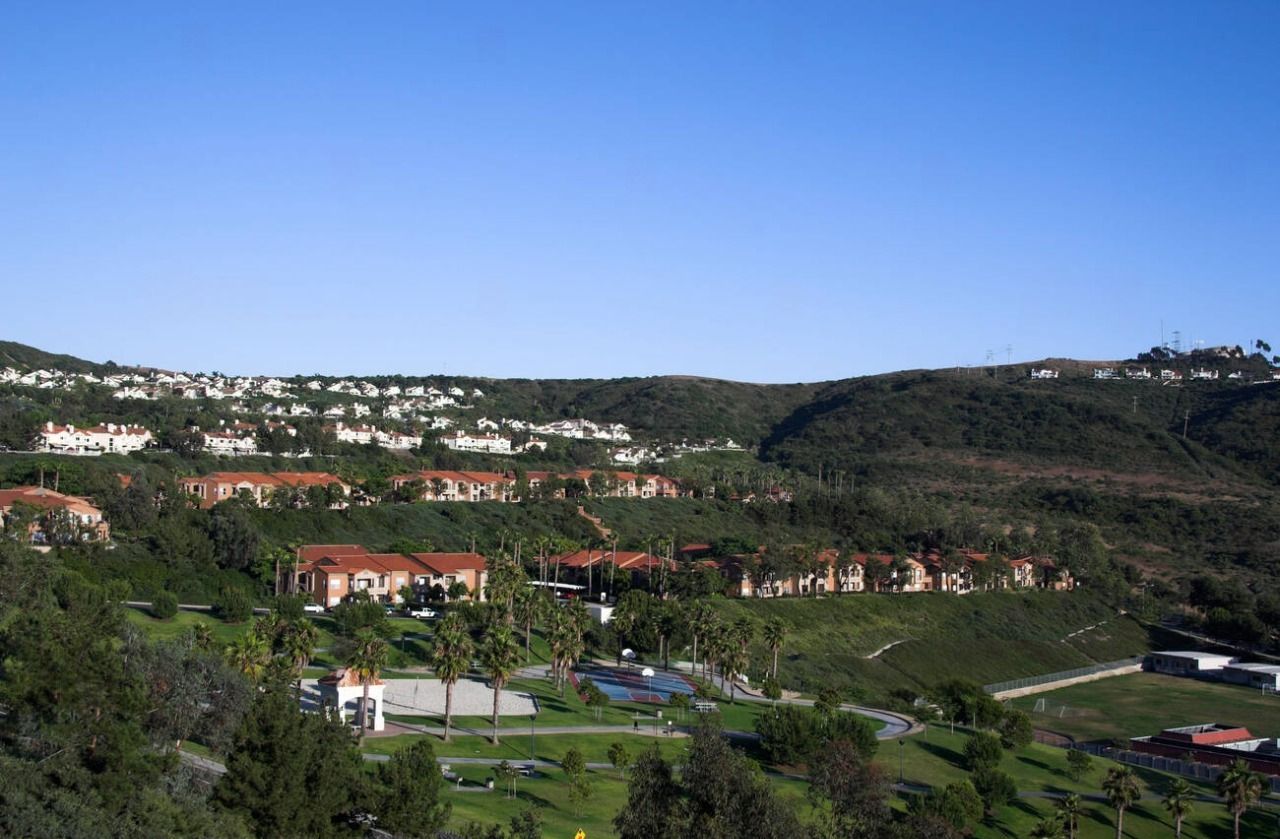
None of this is a reason to avoid San Clemente. The architectural code is the reason the town looks the way it does, and that consistency is a real part of why values here tend to hold. It is simply a reason to do your homework before you write the offer, not after.
If you are planning any meaningful changes to a San Clemente home, work through this with your agent during your due diligence window:
Smart Questions Before You Write an Offer
- Confirm the zone. Is the property in the Architectural Overlay District, a specific plan area, the Coastal Zone, or a standard residential zone? The answer changes everything downstream.
- Check historic status. Ask whether the home is listed on the San Clemente Register or the National Register, and whether it sits near a designated structure.
- Match the code to your plans. A buyer who only wants to update interiors faces a very different process than one planning a second story or a facade change.
- Price the process, not just the construction. Design review and Coastal Development Permits add time and soft costs. Build that into your expectations before you commit.
- Talk to City Planning early. A pre-offer or early-escrow call to the Community Development Department is the cheapest insurance you can buy.
- Use a local team. Architects, designers, and agents who work in San Clemente regularly already know which track a project lands on.
Frequently Asked Questions
Quick Facts
| Fact | Detail |
|---|---|
| 1925 | Ole Hanson founded San Clemente as a planned Spanish village |
| 1991 | The City Design Guidelines were formally adopted |
| Until ~1950 | Every building citywide had to be approved as Spanish style |
| 4 areas | Pier Bowl, Downtown Core, North Beach, and El Camino Real west of I-5 make up the Architectural Overlay District |
| CLG status | San Clemente holds national Certified Local Government historic preservation standing |
Know the Code Before You Write the Offer
Thinking about buying in San Clemente, or already own here and planning a renovation? The architectural code is very manageable once you understand it, and knowing how it applies to a specific address is exactly the kind of thing worth sorting out early. Let's talk through your plans and the homes that fit them.

Susan Chase Group | Compass
Dana Point, California
949-370-6950
susan.chase@compass.com
livingincoastaloc.com
🙋🏼♀️ I’m Susan Chase, your South Orange County Realtor, advisor and guide, helping buyers, sellers, and relocations right-size and find a coastal home and lifestyle they’ll love. ❤️
Related Reading
Sources & Data Verification History of Ole Hanson, the founding of San Clemente as the "Spanish Village by the Sea," and the city's early architectural review requirements: City of San Clemente, City Information; San Clemente Historical Society references. City Design Guidelines (adopted 1991), the Henry Lenny Architectural Design Guidelines, the Architectural Overlay District boundaries (Pier Bowl, Downtown Core, North Beach, El Camino Real west of I-5), and the design review process: City of San Clemente, Planning Services and Design Guidelines. Specific plan areas and their additional design guidelines (Forster Ranch, Marblehead Coastal, Marblehead Inland, Pier Bowl, Rancho San Clemente, Talega, West Pico Corridor): City of San Clemente, Zoning Ordinance and specific plans. Historic preservation framework, the San Clemente Register of Historic Structures, the Historic Preservation Ordinance, Certified Local Government status, and the historic structures survey and documentation forms: City of San Clemente, Historic Resources and Preservation. Coastal Zone regulation and the Coastal Development Permit process: California Coastal Act and California Coastal Commission; City of San Clemente Coastal Zone references. All design guidelines, overlay boundaries, historic designations, review tracks, and procedures are subject to change. Confirm current requirements directly with the City of San Clemente Community Development Department before relying on them for a purchase or renovation decision.
Categories
- All Blogs (158)
- 2026 Harbor & Coast Reports (3)
- Coastal OC Lifestyle (16)
- Guides (15)
- Into the Weekend with Susan (1)
- Living in Dana Point (20)
- Living in Laguna Beach (20)
- Living in Laguna Niguel (19)
- Living in San Clemente (18)
- Living in San Juan Capistrano (17)
- Micro-Market Deep Dives (5)
- Relocation (3)
- Right Sizing Strategy (6)
- Strategic Market Intelligence (17)
Recent Posts





REVIEWS