
San Juan Capistrano Home Prices Forecast 2026: Historic vs New Developments
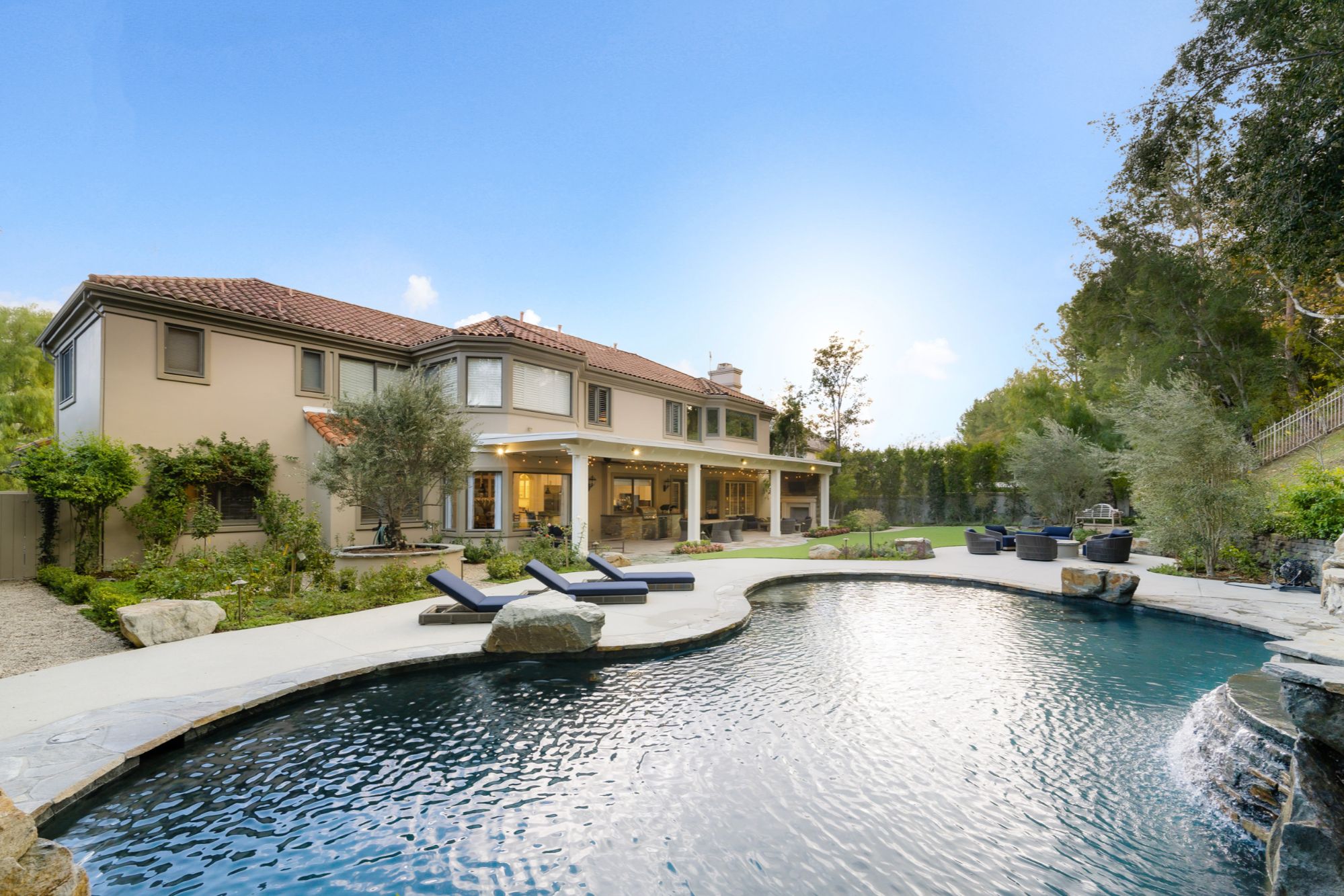
Here's the thing about San Juan Capistrano in 2026 — it's quietly running two real estate markets at once. One is built around adobe walls that pre-date statehood. The other is gated, manicured, and barely four decades old. Both are appreciating. They just aren't doing it the same way, or for the same reasons. And if you're considering a move here, the difference matters more than you might think.
Two Markets, One City
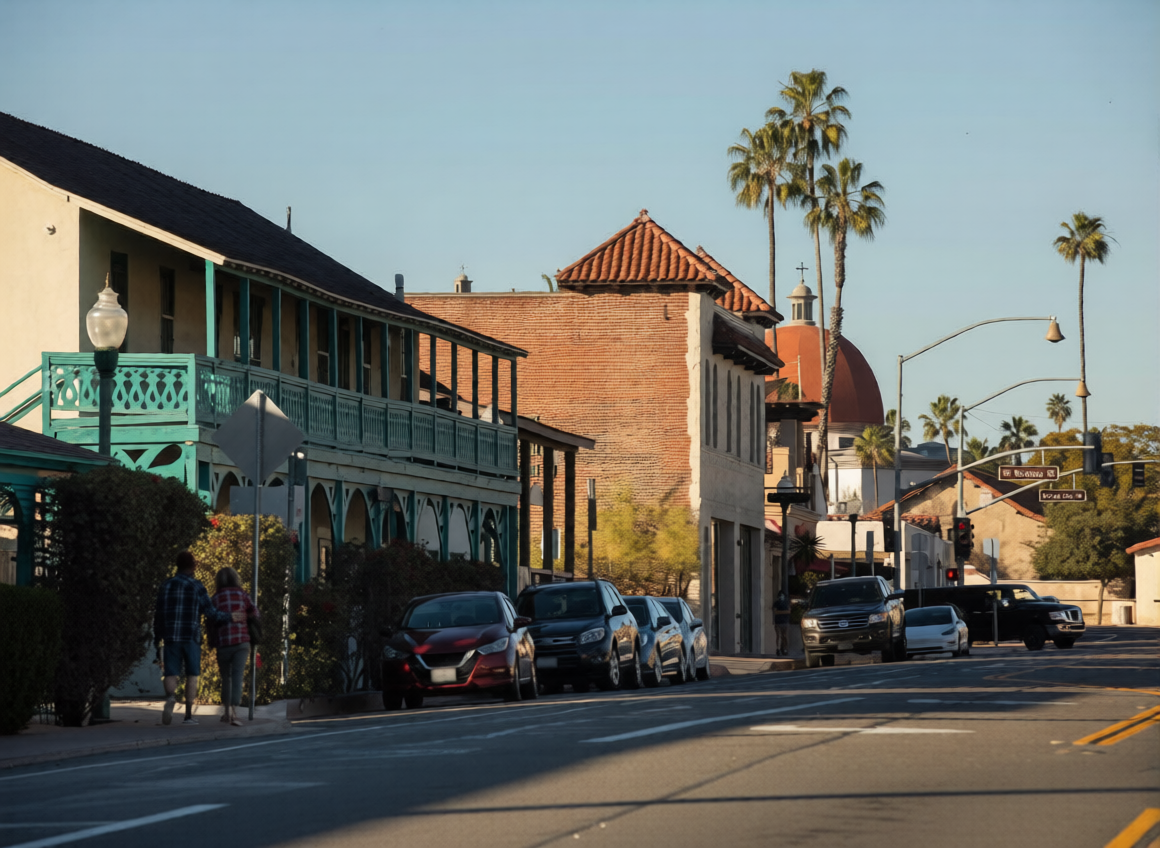
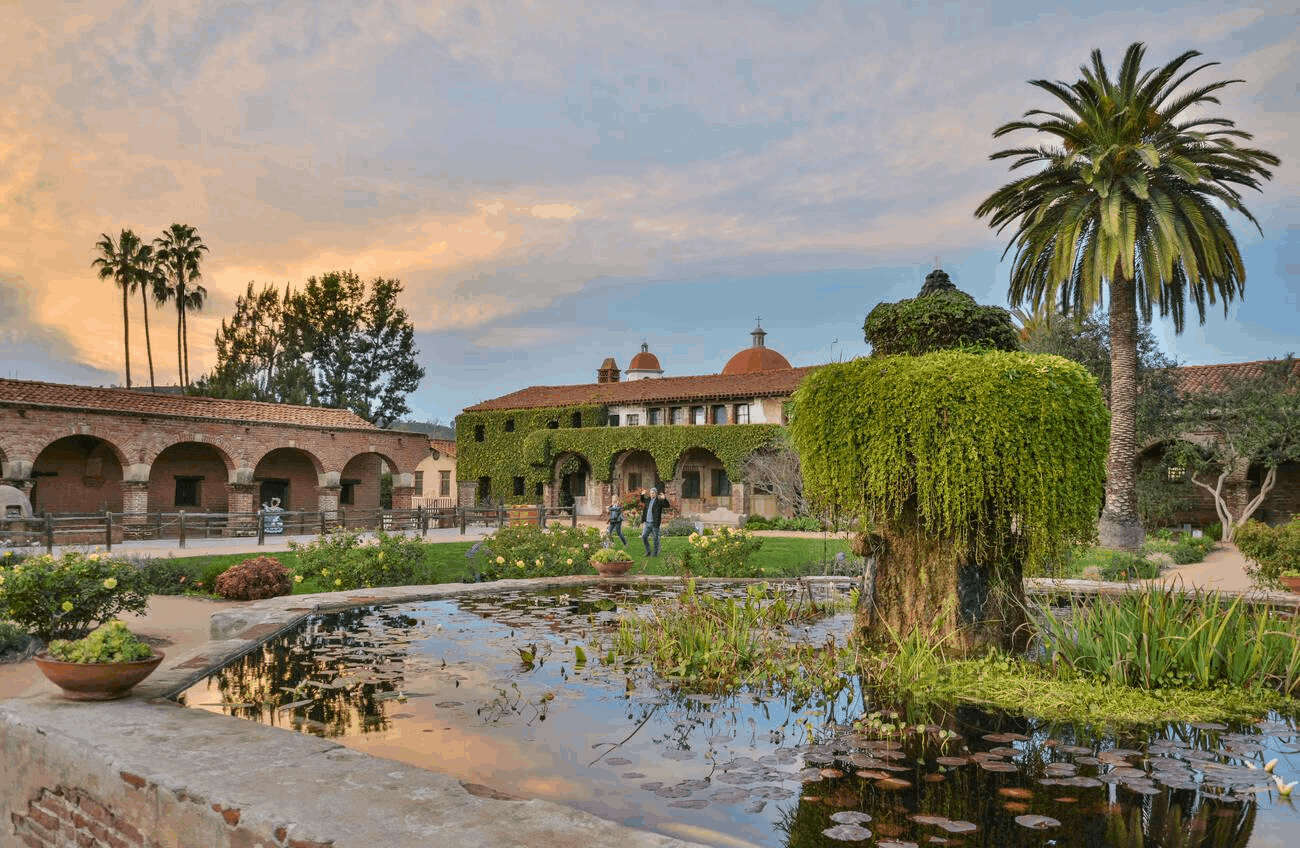
Drive down Camino Capistrano on a Saturday morning, and San Juan Capistrano reveals what makes it so distinctive. A 250-year-old mission. A historic district where some homes still have hitching posts. An agricultural character that, unlike in so much of coastal California, has not been erased.
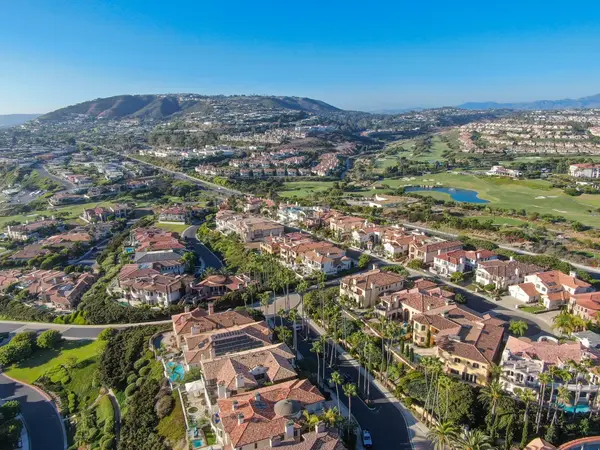
Then head a few minutes east into the hills, and the setting changes. Marbella’s gates. The Hunt Club’s equestrian estates. Hidden Mountain’s elevated custom homes. More polished, more private, and shaped around a different kind of luxury.
Both belong to San Juan Capistrano, and both appear in the same market reports. But they do not behave like the same market. Historic homes tend to draw value from rarity, architecture, and story. Gated hillside communities tend to trade on privacy, amenities, views, and lifestyle. For buyers, understanding which market you are entering and which one better fits your long-term goals is where the real analysis begins.
Where the Market Sits Right Now
San Juan Capistrano entered 2026 with a median home price in the roughly $1.6 million to $1.8 million range, while homes above $3 million accounted for a meaningful share of total dollar volume. The pace has been steady rather than overheated or discounted, which is often exactly what serious buyers want: a market with strength, but not frenzy.
Below the median, the housing stock includes many of the city’s older neighborhoods along with a mix of pre-1990s tract homes. Above it, the luxury market becomes far more layered, spanning historic estates, Marbella’s semi-custom homes, equestrian properties in The Hunt Club, and architect-driven residences in Hidden Mountain. They may sit within the same city, but they are not the same product. Each attracts a different buyer and follows a different long-term value pattern.
| Market Snapshot · Early 2026 | Value |
|---|---|
| 📊 Citywide median price | ~$1.6M–$1.8M |
| 📈 12-month YoY change | Low single digits |
| ⏱️ Average days on market | ~40 days |
| 🏛️ Historic district median | ~$1.4M–$2.5M |
| 🏡 Marbella range | $2.5M–$10M+ |
| 🐎 Hunt Club range | $3.5M–$15M+ |
| 🏔️ Hidden Mountain range | $3M–$12M+ |
The Historic District: Where Scarcity Drives Everything
The Historic Core
Start with the one part of San Juan Capistrano that cannot be recreated: the historic core.
The Los Rios Historic District is the oldest residential neighborhood in California still used for residential living. Some of its original adobe homes date to the 1790s. The surrounding historic blocks are protected, tightly regulated, and finite. There are only so many of these homes, and there will never be more. That scarcity shapes how this segment of the market behaves.
In 2026, that scarcity is still doing exactly what it should. Truly historic homes in and around Los Rios, especially those with original character, mature grounds, and protected status, have generally appreciated in a measured but persistent way. This is not usually a market of sharp swings. It is more often a market of slow accumulation, with occasional jumps when a particularly important property trades.
Why Historic Homes Hold Their Value
Fixed Supply
You cannot create more of them. Protected zoning, preservation rules, and a very limited number of parcels make supply genuinely scarce.
Broader Buyer Appeal
Historic San Juan Capistrano homes attract more than just local buyers. Their architecture and provenance appeal to collectors and lifestyle-driven buyers from well beyond South Orange County.
Restoration Can Add Value
When restoration is done thoughtfully, it often increases value rather than diminishing it. In this segment, quality work tends to matter.
The Story Matters
These homes are not valued on square footage alone. Buyers are also paying for history, identity, and a sense of place, all of which can strengthen long-term appeal.
If you're considering a historic property, plan for a longer purchase-to-livability runway. Permits move differently inside the historic overlay. Specialty contractors are booked further out. Expect anywhere from 12 to 24 months for a meaningful restoration — and budget accordingly.
The New Developments: Where Lifestyle Drives Pricing
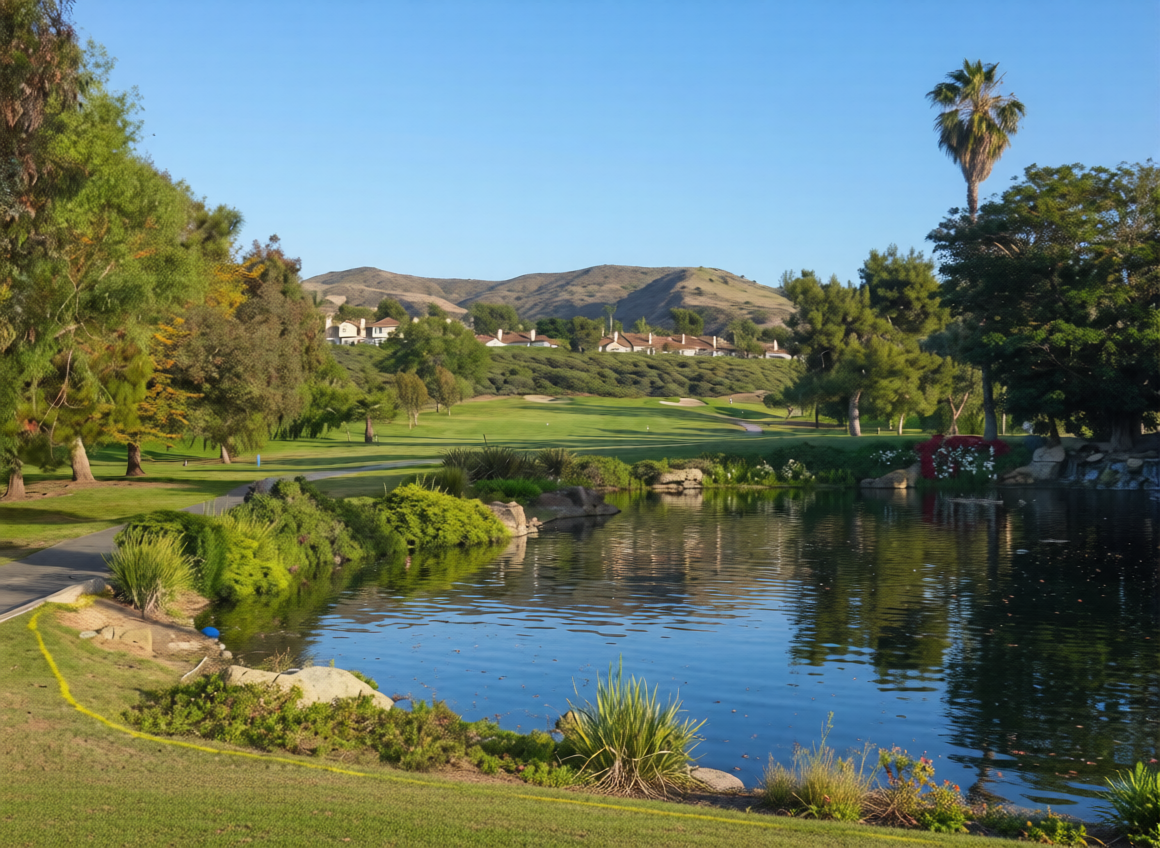
The Hills
Then there is the other side of San Juan Capistrano: the hills.
At the upper end of the newer market, three communities stand out: Marbella Country Club, The Hunt Club, and Hidden Mountain. All developed within the past few decades, each offers gated security, larger homes, and a distinct luxury lifestyle.
This segment behaves differently from the historic core. Its value is tied less to preservation and fixed supply, and more to what each community actually offers. In Marbella, that means golf and club living. In The Hunt Club, it means land, equestrian infrastructure, and privacy. In Hidden Mountain, it means elevated custom homes, views, and a quieter hilltop setting. In each case, the lifestyle is a meaningful part of what the buyer is purchasing.
That is why appreciation here tends to be more lifestyle-driven than scarcity-driven. These communities often perform especially well when the luxury market is strong, but they can also feel shifts in sentiment more quickly than San Juan’s historic homes. The upside can be significant, but so can the swings.
How the Three Hill Communities Are Tracking
| Marbella Country Club | The Hunt Club | Hidden Mountain | |
|---|---|---|---|
| Established | Late 1980s | 1985 | 1980s |
| 2026 Range | $2.5M – $10M+ | $3.5M – $15M+ | $3M – $12M+ |
| Appreciation Driver | Course, club, social calendar | Acreage, equestrian heritage | Architecture, view permanence |
| Volatility | Moderate · tracks luxury market | Lower · acreage anchors value | Lower · low transaction volume |
| Best For | Country-club lifestyle buyer | Equestrian, generational | Architectural, low density |
The Honest Comparison: Historic vs New
Both markets have a case to make. The honest answer is that they answer different questions, and both can be the right move depending on what you're actually trying to accomplish.
| Historic Homes | New Developments | |
|---|---|---|
| Supply | Truly finite | Limited but renewable |
| Buyer Pool | Global, lifestyle-collector | Regional, lifestyle-amenity |
| Appreciation | Slow, steady, less correlated | Tracks broader luxury cycle |
| Carrying Costs | Variable; restoration risk | Higher HOA, lower restoration |
| Time to Livability | 12–24 months if restoring | Immediate |
| Resale Liquidity | Fewer buyers, higher conviction | More buyers, more cyclical |
| Best Fit | Long-horizon, story-driven | Lifestyle-now, amenity-driven |
What the 2026 Forecast Actually Looks Like
A useful forecast starts with honesty: what is known, what is likely, and what remains uncertain.
What we know is that San Juan Capistrano entered 2026 with pricing near historic highs, relatively short days on market, and limited inventory across both its historic and hillside luxury segments. There is no meaningful source of new supply in either. The historic core is fixed, and the gated hill communities add inventory only when owners choose to sell.
What appears most likely is continued low-single-digit appreciation across the broader market. Historic homes should continue to benefit from scarcity, while newer luxury communities are more likely to track the strength of California’s upper-end housing market. If rates ease, activity in the gated luxury segment could pick up. If they do not, the market may simply continue at a steady pace.
What remains less certain is how either segment would respond to a broader national pullback in luxury demand. The historic market is generally more insulated because its buyers tend to be patient and highly specific. The newer luxury segment is more exposed to shifts in sentiment. That is not a flaw in either market. It is simply a difference in risk profile.
Five Forecast Themes for 2026
Historic Inventory
Inventory in the historic district is likely to remain extremely tight. The best listings will continue to be driven by personal timing rather than market timing.
Marbella
Marbella is likely to move most closely with the broader luxury market, especially with other country-club communities across Orange County.
The Hunt Club
The Hunt Club should remain supported by the lasting value of equestrian land and infrastructure, which remains unusually difficult to replace in coastal South Orange County.
Hidden Mountain
Hidden Mountain will likely continue to trade infrequently, with value shaped by lot quality, views, and architectural distinction rather than volume.
Restoration
Thoughtful restoration should continue to outperform in the historic segment, particularly when buyers improve meaningful properties with care rather than treating them as cosmetic resale opportunities.
Where the Smart Money Is Looking

After many conversations with serious buyers across both segments, the pattern is fairly clear.
Buyers thinking in long-term horizons — fifteen, twenty, even thirty years — are increasingly drawn to San Juan Capistrano’s historic core. Scarcity, architectural character, and steady long-term appreciation create a type of value that tends to build quietly over time. These are rarely speculative buyers. More often, they are purchasing something meant to be held and passed on.
Buyers focused more on the next decade often lean toward the gated hill communities. Marbella, The Hunt Club, and Hidden Mountain offer immediate lifestyle value: privacy, amenities, space, schools, and a setting that is ready to enjoy right away. For these buyers, the lifestyle return is part of the investment case.
And then there are the buyers who see value in both. Some of the most interesting moves in San Juan Capistrano have come from families who choose a primary home in one of the gated communities and hold a smaller historic property as a long-term legacy asset. Different purposes, same market, each serving a different role.
Whichever side of the market you're considering, the work before you write an offer matters more here than in most California markets. Pull the parcel tax bill. Review the HOA documents. Confirm any historic overlay restrictions. And — for new developments — verify whether a country club membership, equestrian build-out, or specific lot conditions transfer with the property.
The Bottom Line
San Juan Capistrano is one of the most quietly compelling luxury markets in coastal South Orange County in 2026 — and one of the most misunderstood.
Historic homes will continue to appreciate the way they always have. Slowly. Persistently. On scarcity and story. New developments will continue to track the broader luxury cycle, with Marbella moving with the market and The Hunt Club and Hidden Mountain anchoring on irreplaceable land and architecture.
Both are good buys. Just for different reasons. The work, as always, is figuring out which one is yours.
Categories
- All Blogs (150)
- 2026 Harbor & Coast Reports (2)
- Coastal OC Lifestyle (13)
- Guides (10)
- Into the Weekend with Susan (1)
- Living in Dana Point (19)
- Living in Laguna Beach (20)
- Living in Laguna Niguel (19)
- Living in San Clemente (18)
- Living in San Juan Capistrano (17)
- Micro-Market Deep Dives (5)
- Relocation (3)
- Right Sizing Strategy (6)
- Strategic Market Intelligence (18)
Recent Posts


REVIEWS