
The Cost of Living in Coastal Orange County: What to Budget For

The cost of living in coastal Orange County is well above the national average, driven mostly by housing costs. Beyond the price, budget for property taxes near 1.1 to 1.25 percent, association and Mello-Roos dues, coastal insurance, and everyday costs.
The honest answer to what it costs to live here is that housing is most of the story, and almost everything else is a rounding error next to it. But the smaller lines are where people get surprised, so those are the ones worth knowing before you arrive.
Over more than thirty years as a resident and twelve years advising buyers on this coast, I have learned that the sticker price of a home is only the beginning of the budgeting conversation. Coastal South Orange County is a premium market, and living well here means understanding the full picture: taxes, association dues, insurance, and the everyday expenses that come with California coastal life. None of it should scare you off, but all of it should be on your radar, because a clear budget is what turns a stressful move into a confident one. For the wider view of what life here is actually like, my complete coastal South OC lifestyle overview is the companion to this piece.
What follows is a practical, plain-language look at the real cost categories, housing, property taxes, association and special-district dues, insurance, and daily expenses, with current general figures and a strong reminder to confirm the numbers for your own situation before you rely on them.
Key takeaways
- Housing is by far the highest cost in coastal Orange County, and it runs well above national and California averages.
- Property taxes generally land near 1.1 to 1.25 percent of assessed value, and a purchase resets that value to market price.
- Many communities add homeowners association dues, and newer master-planned areas can carry Mello-Roos special assessments.
- Coastal home insurance has grown more complex and more expensive in California, so plan for it early.
- Everyday costs like utilities, fuel, and dining run above the national average, and all figures here should be verified for your own circumstances.

What does it really cost to live in coastal Orange County?

It costs more than the national average across almost every category, with housing as the dominant expense and taxes, dues, insurance, and daily costs layered on top.
Coastal South Orange County is one of the more desirable stretches of the California coast, and the cost of living reflects that. The single biggest line in any budget here is housing, and it is not close. Once you account for the home, the other categories become the details that shape your monthly reality: property taxes tied to your purchase price, association or special-district dues depending on the community, insurance that reflects a coastal setting, and everyday expenses that run higher than much of the country. The good news is that every one of these is knowable in advance. Build the budget with clear eyes and the coast becomes a place you can plan for rather than a place that surprises you.
How much is housing in coastal South Orange County?
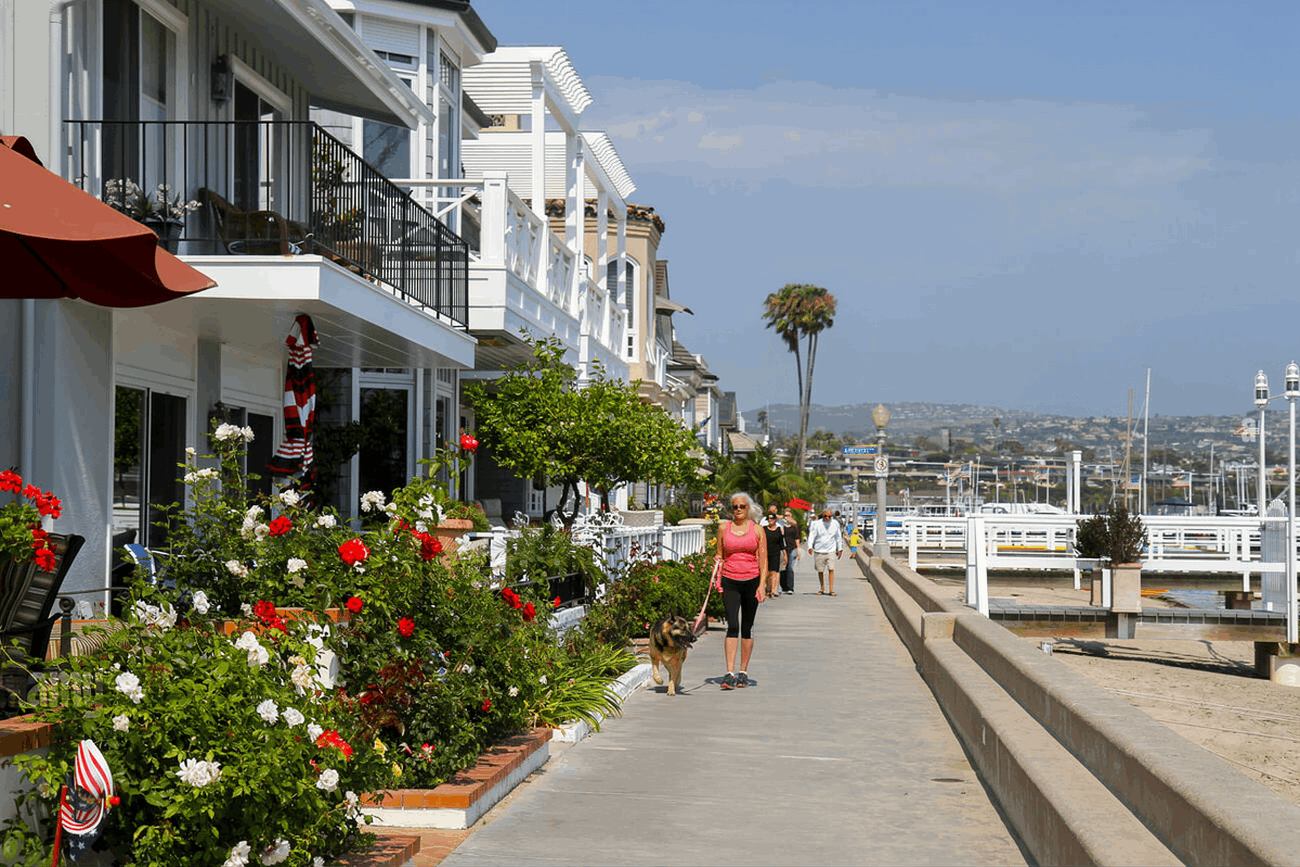
Housing is the largest cost by a wide margin, spanning attached homes to multimillion-dollar coastal estates depending on the city, the proximity to the water, and the view.
Across Dana Point, Laguna Beach, Laguna Niguel, San Clemente, and San Juan Capistrano, home prices run well above national and California averages, and the range within the region is wide. Attached homes and inland-adjacent neighborhoods sit at the more accessible end, while oceanfront and view properties reach into the millions. What drives the number is less the town on the sign and more the micro-location, how close you are to the sand, what you see from the windows, and which community you are in. Because prices move with the market, I am deliberately not printing a median here that would be stale by the time you read it. The right approach is a current, address-specific conversation, and I am glad to give you real numbers for the neighborhoods you are considering.
How do property taxes work here?
Property taxes generally run near 1.1 to 1.25 percent of assessed value in most of Orange County, and buying a home resets that assessed value to your purchase price.
California sets a base property tax rate of 1 percent of assessed value under Proposition 13, and voter-approved local bonds and assessments bring the effective rate in most of Orange County to roughly 1.05 to 1.25 percent. The key point for buyers is reassessment. When you purchase, the county generally resets the assessed value to your purchase price, so your tax bill will often differ from the prior owner's, and you can expect one or two supplemental bills after closing that reflect the change. After that, Proposition 13 limits annual increases in assessed value to a maximum of 2 percent, which brings long-term predictability. These are general figures rather than a promise for any specific address, so confirm the current rate for a given property with the county before you rely on it.
What about HOA dues and Mello-Roos?
Many coastal communities carry homeowners association dues, and newer master-planned neighborhoods can add Mello-Roos special assessments that raise the monthly cost.
A large share of homes on this coast sit within a homeowners association, especially in planned and gated communities, and those dues vary widely depending on the amenities and services involved. On top of that, some newer master-planned areas fall within a special financing district, often called Mello-Roos, which adds an assessment to the property tax bill to fund community infrastructure. Areas like parts of Talega in San Clemente are examples where these can apply. The effect is real, since two homes at the same price can carry meaningfully different monthly costs depending on their association and district. This is exactly why I have buyers look up the full picture for any specific home early, so there are no surprises after the offer.
The purchase price gets all the attention, but the number that decides how a home actually feels in your budget is the monthly one, taxes and dues and insurance included. Get that number right up front and everything downstream gets easier.
What should you budget for home insurance?
Plan for home insurance to be a larger and more involved line than in many other markets, since coastal and wildfire factors have reshaped California's insurance landscape.
Insuring a home in coastal California has become more complex and more expensive in recent years, and it deserves attention early rather than as an afterthought at closing. Proximity to the coast, local fire considerations, and the broader state insurance market all play a role, and availability and cost can vary noticeably from one area to another. The practical move is to start the insurance conversation while you are still in your search rather than at the end, so you understand the real cost and options for a specific property before you commit. I am a real estate advisor rather than an insurance professional, so treat this as general guidance and confirm the specifics with a licensed insurance agent for any home you are serious about.
What do everyday expenses look like?
Everyday costs like utilities, fuel, and dining run above the national average across coastal Orange County, though they are a smaller part of the budget than housing.
Beyond the home, the daily expenses of living here follow the broader California pattern of running higher than much of the country. Electricity and other utilities tend to sit among the higher tiers nationally, fuel costs are higher than the national average, and dining and groceries reflect the region's overall price level. Sales tax across these coastal cities is generally 7.75 percent, though it can vary by exact location, so it is worth confirming by address. None of these items rivals housing in size, but together they shape the month-to-month feel of a budget, and newcomers from lower-cost regions notice them. Factoring them in from the start keeps expectations aligned with reality.
Is the cost of living worth it?

That is a personal decision, but most residents conclude that the climate, the coast, and the lifestyle justify the premium, provided they plan for it clearly.
I will not tell you the coast is worth any price, because the right answer depends on your priorities and your budget. What I can say after decades here is that the people who are happiest are the ones who went in with clear numbers, so the cost felt like a considered choice rather than a running surprise. The mild climate, the beaches and trails, and the daily access to the ocean are genuine, lasting benefits, and for many they more than balance the expense. The job is simply to build a full and honest budget first, then decide with confidence.
| Cost category | What to know | Note |
|---|---|---|
| Housing | The dominant cost, well above national and state averages | Varies by city, water proximity, and view |
| Property taxes | Roughly 1.05 to 1.25 percent of assessed value in most areas | Reassessed to purchase price at closing |
| HOA and Mello-Roos | Association dues plus special assessments in some newer areas | Look these up per property, early |
| Home insurance | More complex and costly in coastal California | Start the conversation during your search |
| Utilities and daily costs | Above national average across most categories | Smaller than housing but noticeable |
| Sales tax | Generally 7.75 percent in these cities | Can vary by exact location |
Frequently asked questions
Is coastal Orange County expensive to live in?
Yes, coastal South Orange County runs well above the national average, primarily because of housing. Taxes, association dues, insurance, and everyday costs add to the picture, though housing is by far the largest line in any budget here.
How much are property taxes in coastal Orange County?
Effective property tax rates in most of Orange County generally fall near 1.05 to 1.25 percent of assessed value, starting from the 1 percent base under Proposition 13 plus local assessments. A purchase resets the assessed value to your price, and some newer communities add Mello-Roos assessments. Confirm the rate for any specific property with the county.
What is the sales tax in Dana Point and San Clemente?
Sales tax in these coastal cities is generally 7.75 percent, combining the state, county, and special-district portions. Rates can vary slightly by exact location, so it is worth confirming for a specific address.
Where to go next
- Get the wider picture in the complete coastal South OC lifestyle overview.
- Comparing towns before you budget? Start with the five-city relocation comparison.
- Ready to talk real numbers for specific neighborhoods? Reach out any time.
Final word from Susan Chase
Budgeting for the coast is not about talking yourself into or out of the move, it is about walking in with clear eyes. When you understand the full cost picture, the decision gets easier and the surprises disappear. I am always happy to give you real, current numbers for the neighborhoods you are weighing, so your budget reflects the coast as it actually is rather than a rough guess.


Susan Chase Group | Compass
Dana Point, California
949-370-6950
susan.chase@compass.com
livingincoastaloc.com
🙋🏼♀️ I’m Susan Chase, your South Orange County Realtor, advisor and guide, helping buyers, sellers, and relocations right-size and find a coastal home and lifestyle they’ll love. ❤️
Editorial note. This overview is written from more than thirty years of living and working along the coast of South Orange County. It is intended as lifestyle orientation, not as an inducement toward or away from any community. All observations here relate to geography, lifestyle, and housing.
Related reading
Sources and disclosure. Property tax and sales tax figures reflect public information current as of mid-2026, with Orange County effective property tax rates generally near 1.05 to 1.25 percent and local sales tax generally 7.75 percent in these cities, and both can vary by address and change over time. Housing prices and insurance costs move with the market. I am a licensed real estate advisor, not a financial, tax, or insurance professional. Treat every figure here as general orientation and confirm current details for your own situation before acting.
Categories
- All Blogs (158)
- 2026 Harbor & Coast Reports (3)
- Coastal OC Lifestyle (16)
- Guides (15)
- Into the Weekend with Susan (1)
- Living in Dana Point (20)
- Living in Laguna Beach (20)
- Living in Laguna Niguel (19)
- Living in San Clemente (18)
- Living in San Juan Capistrano (17)
- Micro-Market Deep Dives (5)
- Relocation (3)
- Right Sizing Strategy (6)
- Strategic Market Intelligence (17)
Recent Posts








REVIEWS