
What to Know Before Relocating to Coastal Orange County
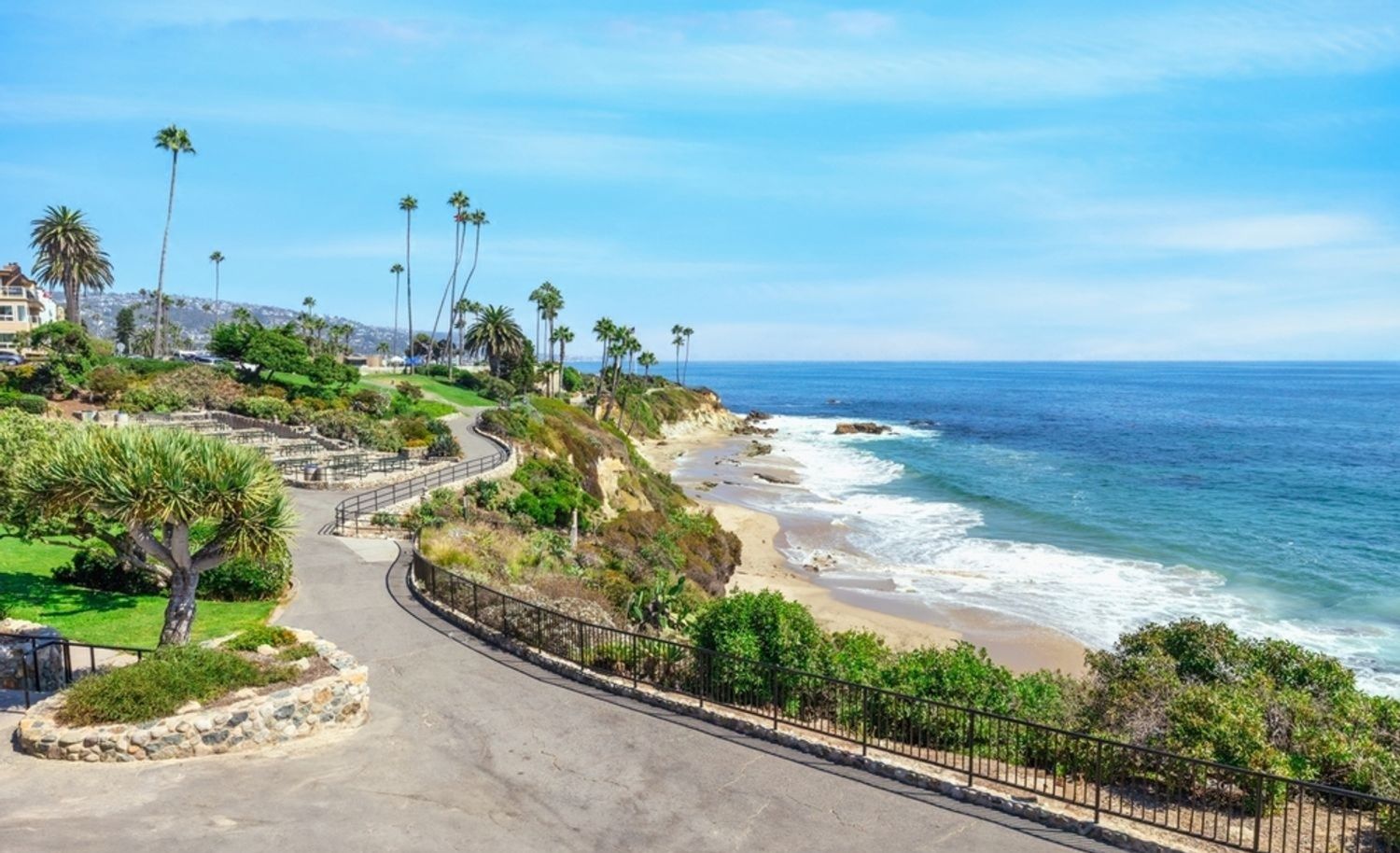
Before relocating to coastal Orange County, know that the five towns differ sharply, that micro-location drives everything, and that budgeting beyond the purchase price for taxes, dues, and insurance matters as much as choosing where to live.
Most relocation surprises are not bad; they are just unexpected. The buyers who settle in happiest are the ones who knew the quirks of this coast before they arrived, not after.
Over more than thirty years guiding moves onto this coast, I have kept a mental list of the things newcomers wish they had known sooner. None of them are dealbreakers, but each one shapes how a move feels, and knowing them in advance is the difference between a smooth landing and a series of small shocks. This guide surfaces those practical unknowns about relocating to coastal Orange County, the realities behind the postcard, so you arrive prepared rather than surprised. For everything gathered in one place, my relocation resources are the companion to this piece.
What follows is the honest short list: the things I make sure every relocating client understands, from how different the five towns really are to what the marine layer, the budget, and the market will ask of you.
Key takeaways
- Coastal South OC is five distinct towns, not one, so choosing by lifestyle matters more than most newcomers expect.
- Micro-location, the specific street and view, shapes daily life and value even more than the town you choose.
- The true cost is the monthly one, since taxes, association dues, Mello-Roos, and coastal insurance sit beneath the purchase price.
- Daily life is more car-oriented and weather-nuanced than the beach-town image suggests, with the marine layer a real feature.
- Some of the best homes trade off-market, so the public listing feed is not the whole picture.

How different are the five coastal towns, really?
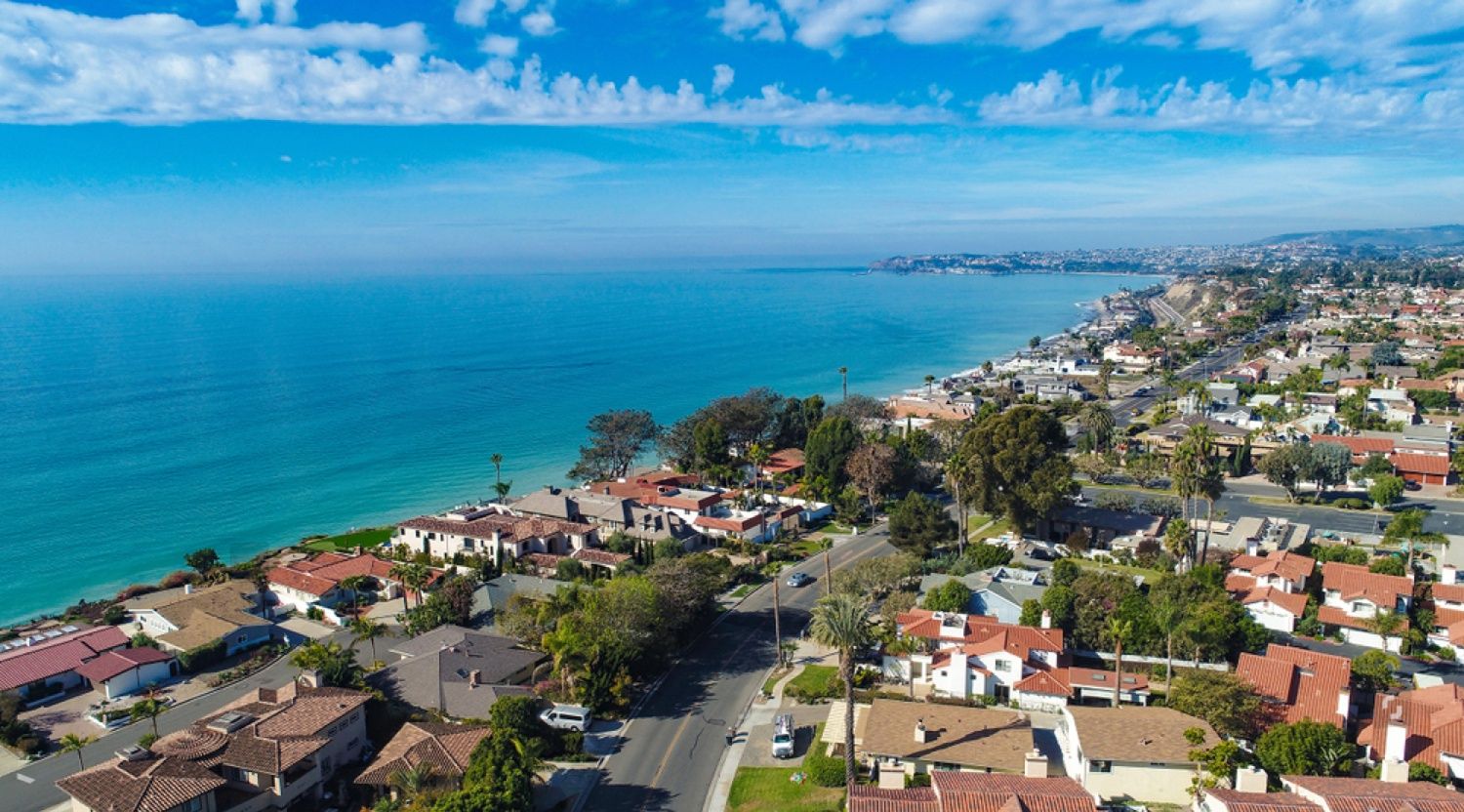
Capistrano Beach connecting to Dana Point
Very different. Coastal South OC is five distinct towns, each with its own character, so treating the region as one place is the most common early mistake.
Newcomers often arrive picturing a single beach town and are surprised by how much the five differ. Dana Point revolves around its harbor, Laguna Beach around its arts village and coves, Laguna Niguel around hillside space and trails, San Clemente around surf and a Spanish-village downtown, and San Juan Capistrano around history and land. These are genuinely different daily lives, not variations on a theme. The practical lesson is to choose by how you want to live rather than by a name you recognize, and to spend real time in each before deciding. My Dana Point living guide and Laguna Beach living guide show just how far apart two neighbors can be.
Why does micro-location matter so much?

High-rise buildings across the beach in Orange County, California, 2024
Because on this coast the specific street, view, and walk to the water shape both daily life and value more than the town itself.
This is the truth that surprises even experienced buyers. Two homes at the same price in the same town can offer completely different lives depending on the block, the outlook, the association, and how far it is to the sand or the village. A few streets can separate a walkable pocket from a car-dependent one, or a protected view from a fleeting one. It is why I never let a client fall for a town in the abstract, because the real decision happens at the neighborhood and street level. Budgeting the same energy for choosing the pocket as for choosing the town is one of the smartest things a relocating buyer can do.
What will the coast actually cost beyond the price?
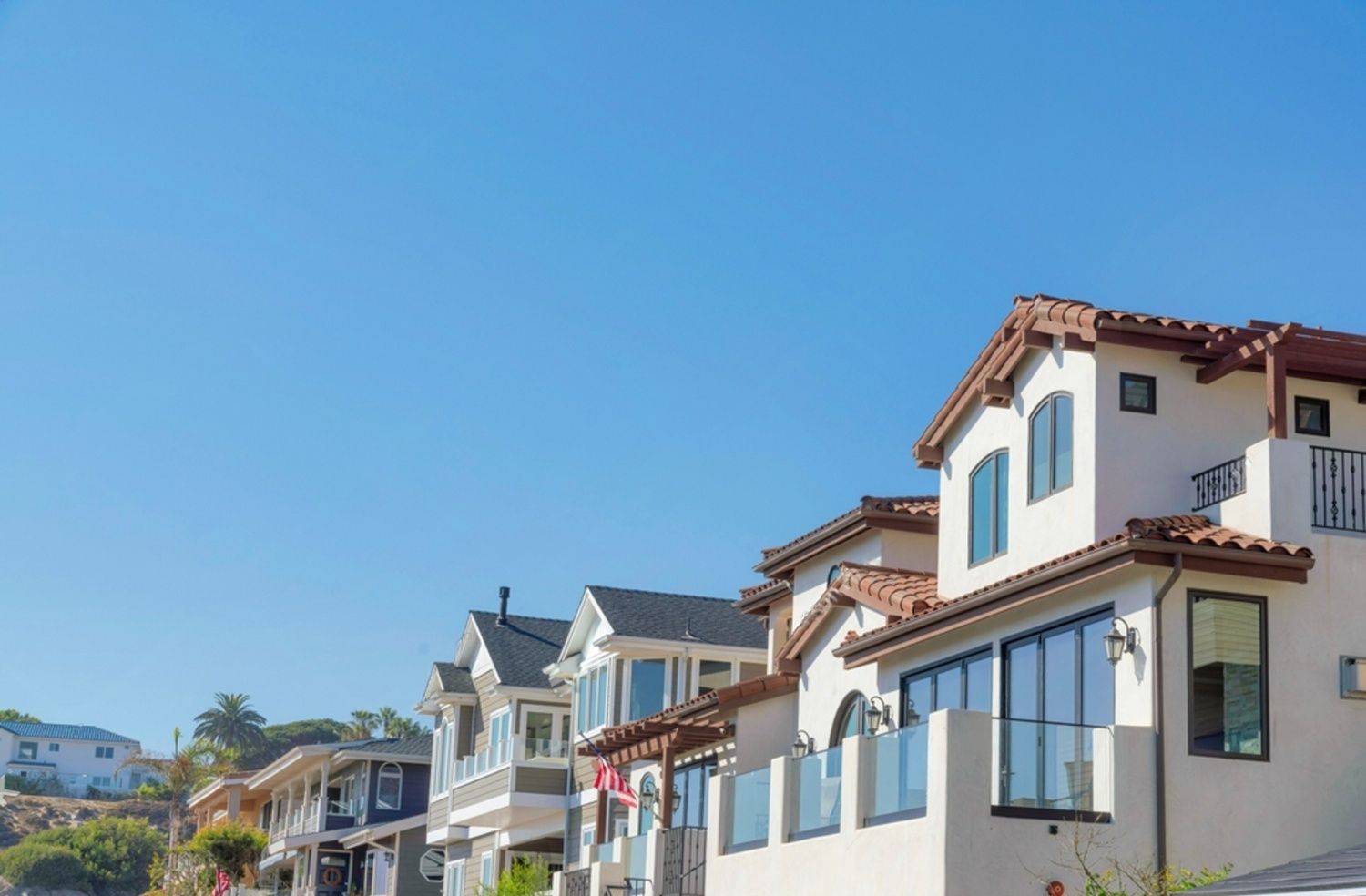
Luxury homes in San Clemente, Orange County
More than the sticker suggests, since property taxes, association dues, Mello-Roos in some newer areas, and coastal insurance all shape the true monthly cost.
The purchase price is only the headline. In California, a purchase generally resets the assessed value, so your property taxes may differ from the prior owner's, and many communities carry homeowners association dues, with some newer master-planned areas adding Mello-Roos assessments. Coastal insurance has also grown more involved in recent years and deserves early attention rather than a last-minute scramble. None of this should discourage you, but all of it belongs in the budget from the start, because the number that decides how a home feels month to month is rarely the price on the listing. Your own financial and tax professionals can confirm the specifics for any property.
What is daily life really like day to day?
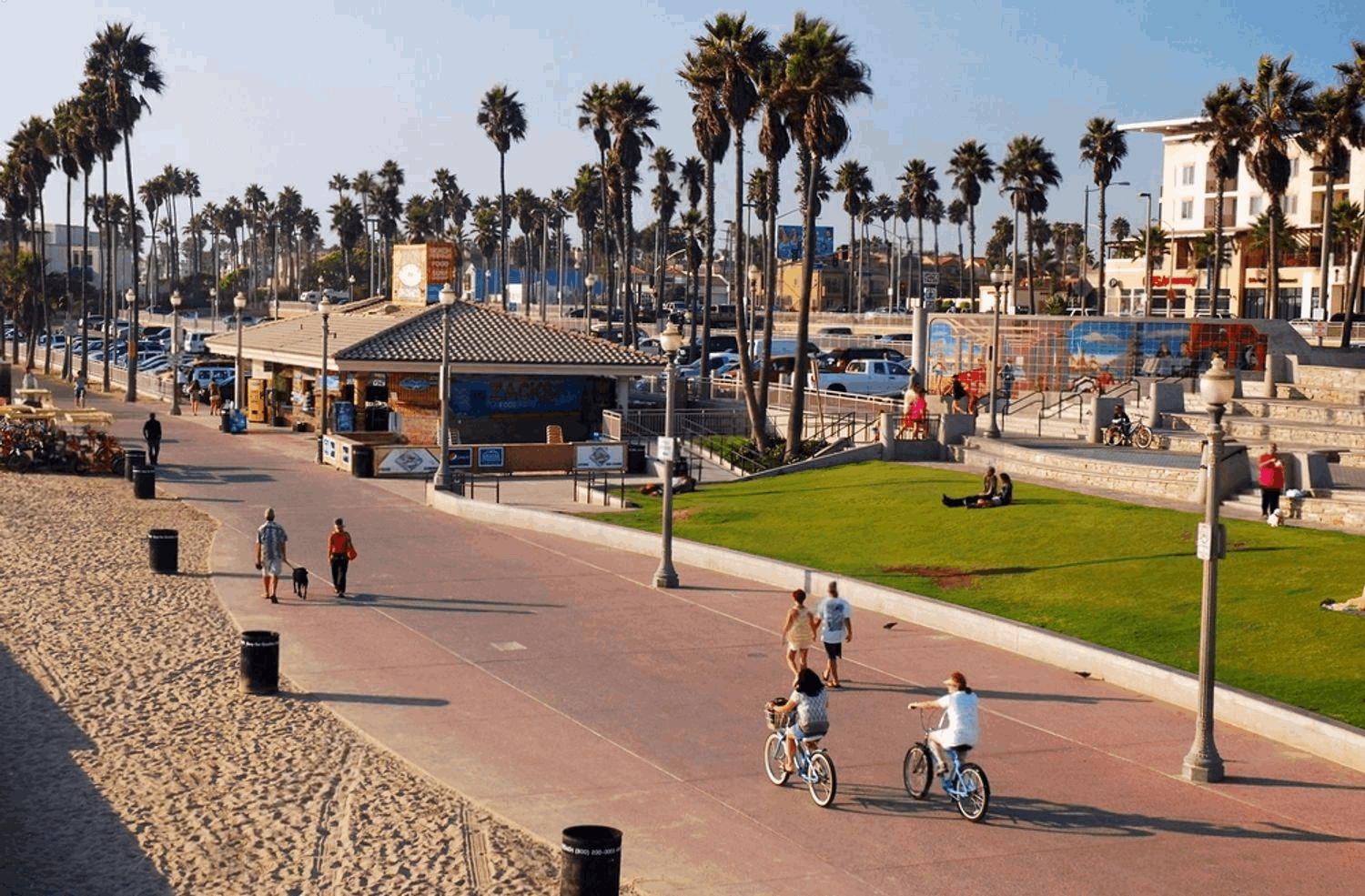
People enjoying the park -- people walking their dog, kids riding their bikes, and others lying on the grass to bask under the sun
More car-oriented and weather-nuanced than the beach-town image suggests, though the mild climate and coastal access are every bit as good as hoped.
Two realities catch newcomers off guard, and both are easy to plan for. First, this is largely a car-oriented region. A few pockets in Laguna Beach, San Clemente, and the historic centers are genuinely walkable, but most daily life happens by car, softened by good trails and short distances. Second, the weather has a rhythm. The marine layer brings gray coastal mornings, especially in late spring and early summer, that usually burn off to sun by midday, and the coast can run cooler than inland areas just a few miles away. Neither is a drawback once you expect it, and most residents come to love both the trail-and-car ease and the natural cooling the ocean provides. The key is arriving with realistic expectations rather than a permanent-vacation image.
What should you know about the market itself?
Inventory can be thin and move quickly, and some of the best homes trade off-market, so the public listing feed is not the whole picture.
Relocating buyers often assume everything for sale is a click away, and on this coast that is not quite true. Inventory in the most desirable pockets can be limited, well-priced homes can move quickly, and a meaningful share of activity, especially at the upper end, happens off-market or as pocket listings shared within local networks. That means a buyer relying only on the public portals may never see some of the best options. The practical takeaway is to connect with a local advisor early, before you are ready to buy, so you have eyes on the full market and can move with confidence when the right home appears. If you are coming from a major metro, my guide on relocating here from Los Angeles or the Bay Area speaks to that group directly.
How long does it take to feel at home?
Give it a season. The buyers who settle in most happily treat the first few months as time to explore rather than a test to pass.
The final thing to know is that settling in is a process, not a moment. It takes a little time to learn your beaches and trails, find the coffee spot and the market you return to, and let a weekly rhythm form around the coast and the town. The residents who love it most are the ones who gave themselves a season to explore, tried more than one town before choosing, and let the place reveal itself. Arrive curious and unhurried, and one morning you realize you are no longer a newcomer.
| Common assumption | The reality |
|---|---|
| Coastal South OC is one beach town | It is five distinct towns with very different lifestyles |
| The town you pick decides everything | Micro-location, the street and the view, matters even more |
| Living here means daily beach mornings | The marine layer and a car-oriented layout shape real daily life |
| The purchase price is the cost | Taxes, dues, Mello-Roos, and insurance shape the true monthly cost |
| Everything for sale is online | Some of the best homes, especially at the top, trade off-market |
| It is all walkable | Walkability varies widely by town and by pocket |
Frequently asked questions
What is the biggest thing to know before moving to coastal Orange County?
That it is five distinct towns, not one, and that micro-location within a town matters even more than the town itself. Choosing by lifestyle and spending time at the neighborhood level is the single most important step.
What do people underestimate about the cost?
The monthly cost beyond the purchase price. Property taxes reset at purchase, many communities carry association dues, some newer areas add Mello-Roos assessments, and coastal insurance has grown more involved, so the true monthly figure deserves early attention.
Is coastal Orange County walkable?
Some pockets are genuinely walkable, including parts of Laguna Beach, San Clemente, and the historic centers, but the region is largely car-oriented. Walkability varies widely by town and by pocket, so it is worth treating as a specific priority in your search.
Where to go next
- Explore everything in one place with my relocation resources.
- Relocating from a major metro? Read why buyers move here from LA and the Bay Area.
- Ready to buy? See what it takes to buy a home in coastal South OC.

Final word from Susan Chase
Knowing these realities before you move is what turns a big leap into a confident one. My favorite conversations are the early ones, well before a house is in the picture, where we talk through the quirks of this coast and match your priorities to the right town and the right street. There is no pressure and no timeline on my end, just honest guidance so your move lands the way you hope.

Susan Chase Group | Compass
Dana Point, California
949-370-6950
susan.chase@compass.com
livingincoastaloc.com
🙋🏼♀️ I’m Susan Chase, your South Orange County Realtor, advisor and guide, helping buyers, sellers, and relocations right-size and find a coastal home and lifestyle they’ll love. ❤️
Editorial note. This guide is written from more than thirty years of guiding relocations along the coast of South Orange County. It is intended as general orientation, not as an inducement toward or away from any community, and all observations here relate to geography, lifestyle, logistics, and housing.
Sources and disclosure. Cost categories, association structures, insurance factors, and property-tax practices described here reflect general information current as of mid-2026 and can change, so confirm the specifics for any property and your own circumstances before you rely on them. I am a licensed real estate advisor, not a financial, tax, or insurance professional. Treat the information here as general orientation and confirm current details before acting.
Categories
- All Blogs (151)
- 2026 Harbor & Coast Reports (2)
- Coastal OC Lifestyle (14)
- Guides (10)
- Into the Weekend with Susan (1)
- Living in Dana Point (19)
- Living in Laguna Beach (20)
- Living in Laguna Niguel (19)
- Living in San Clemente (18)
- Living in San Juan Capistrano (17)
- Micro-Market Deep Dives (5)
- Relocation (3)
- Right Sizing Strategy (6)
- Strategic Market Intelligence (18)
Recent Posts




REVIEWS