
Coastal Orange County Home Prices: How the Five Cities Compare
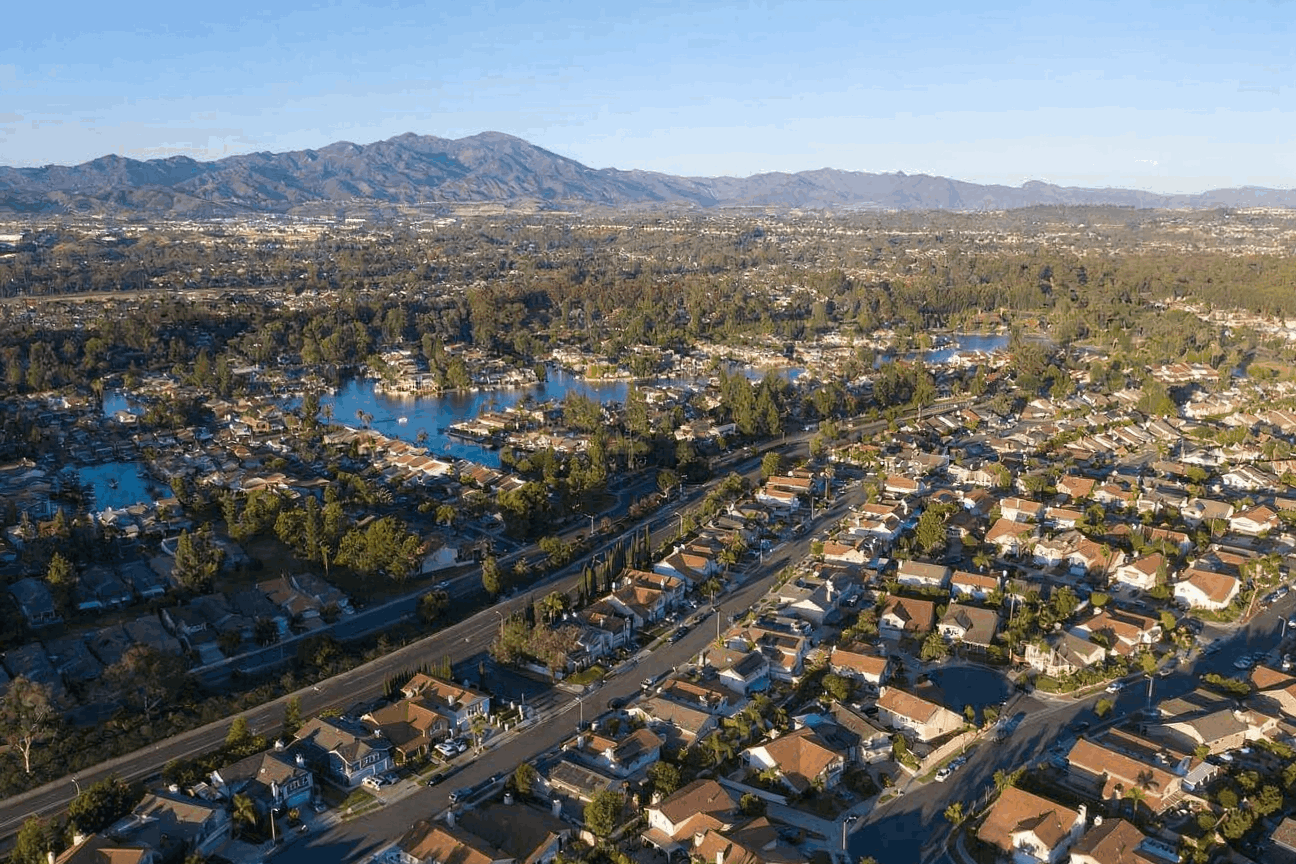
Coastal Orange County home prices are premium across all five cities, with Laguna Beach and Dana Point generally at the top, and Laguna Niguel and San Juan Capistrano offering more relative value, though micro-location matters most.
Buyers always ask me which of the five cities is most expensive, hoping for a simple ranking. The honest answer is that they all run premium, and the differences between them say more about lifestyle than about a single number.
After more than thirty years selling across all five of these cities, I can tell you that comparing coastal Orange County home prices is useful, but only if you do it the right way. Rather than chase figures that change constantly, the durable insight is in the relative positioning, why one city tends to command more than another, and why a headline average tells you so little. This study compares how home prices work across Dana Point, Laguna Beach, Laguna Niguel, San Clemente, and San Juan Capistrano, in relative terms that hold up over time. For how the luxury tier behaves specifically, my Laguna Beach versus Dana Point luxury buyer's guide is a useful companion.
What follows is deliberately evergreen. It explains the relative price positions of the five cities and the forces behind them, and it points you toward the current, address-specific numbers that actually matter when you buy or sell.
Key takeaways
- All five coastal cities are premium markets, so the comparison is about relative position rather than affordability.
- Laguna Beach and Dana Point generally sit at the top, driven by scarcity, walkability, and proximity to the water.
- Laguna Niguel and San Juan Capistrano tend to offer more relative value as coastal-adjacent communities.
- San Clemente offers the widest internal range, from more attainable homes to high-end coastal estates.
- Micro-location within a city matters more than the city name, so regional averages can be misleading.

How do home prices compare across coastal South OC?

Twilight over a coastal town, hillside homes glowing beneath a vivid pink and purple sunset above the shoreline.
All five cities are premium, and the differences are relative, shaped by how close a city sits to the water and how scarce its housing is.
The first thing to set aside is the idea of a cheap option. There is not one, because this is one of the most desirable stretches of the California coast and every city reflects that. What varies is the relative position. Beachfront and walkable arts communities tend to command the highest prices, coastal-adjacent towns that trade a beach address for space tend to offer more value, and a city with a wide range of housing types will show the broadest spread. Holding those relationships in mind is far more useful than memorizing a number that will be out of date by the time you tour a home.
Which city tends to be most expensive?
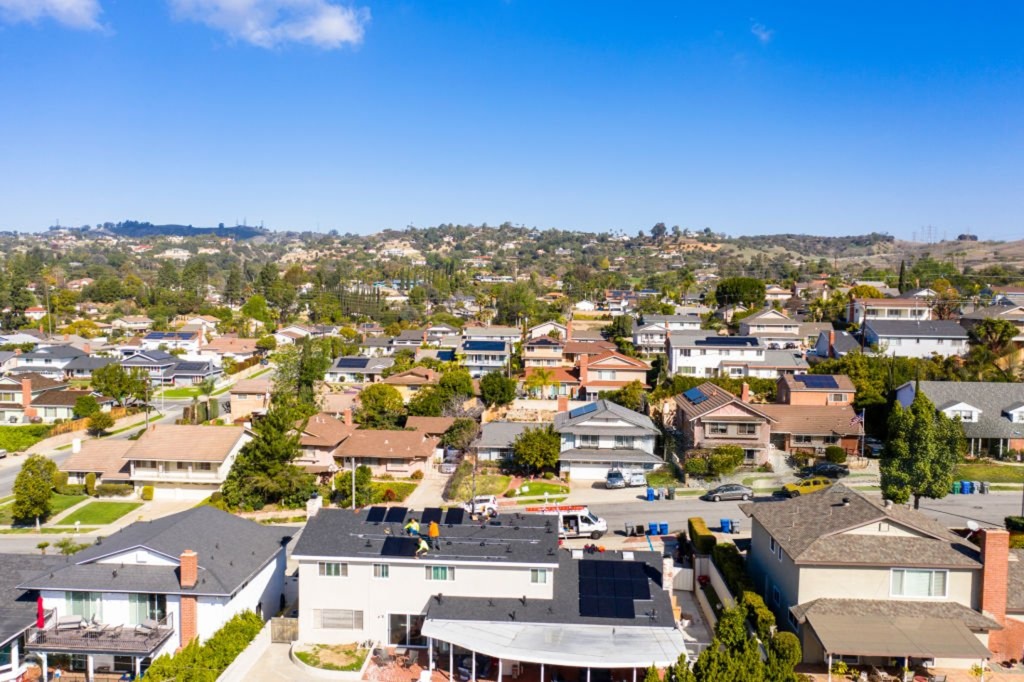
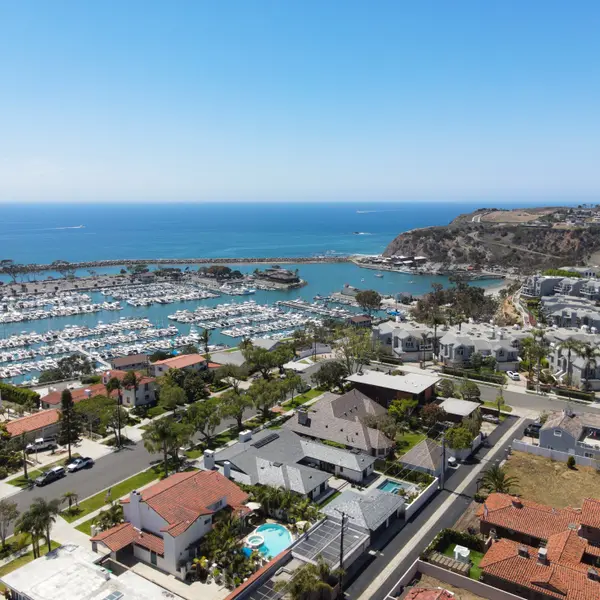
Aerial view of a hillside residential neighborhood with solar-paneled rooftops and mature trees.
Laguna Beach generally sits at or near the top, driven by extreme scarcity, walkability, and its coves and arts identity, with Dana Point close behind.
Laguna Beach tends to command the highest prices in the region, and the reasons are structural rather than fashionable. It is a small, largely built-out city with a finite number of coves and view homes, a genuinely walkable village, and a cultural identity buyers cannot find elsewhere, all of which sustain premium pricing. Dana Point sits close behind, anchored by its harbor, its oceanfront enclaves, and the momentum of its waterfront revitalization. These two coastal cities generally define the upper end of the regional market, though within each the range is wide, since a walk-to-sand estate and an inland pocket in the same city are very different purchases.
How do the other cities compare?
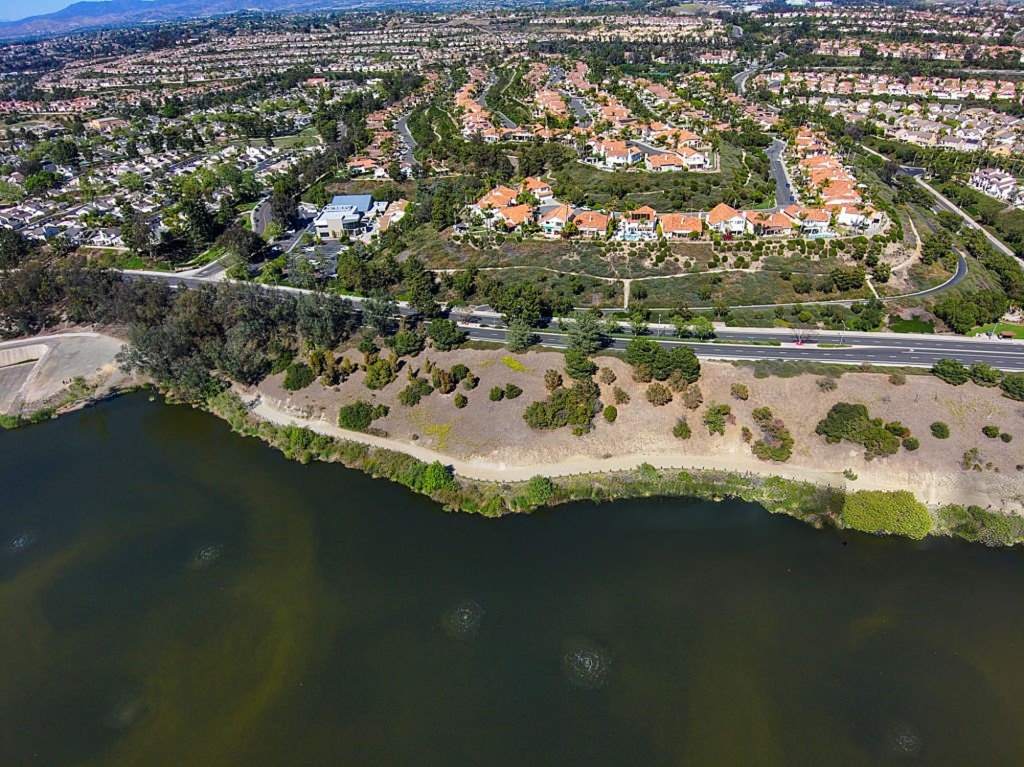
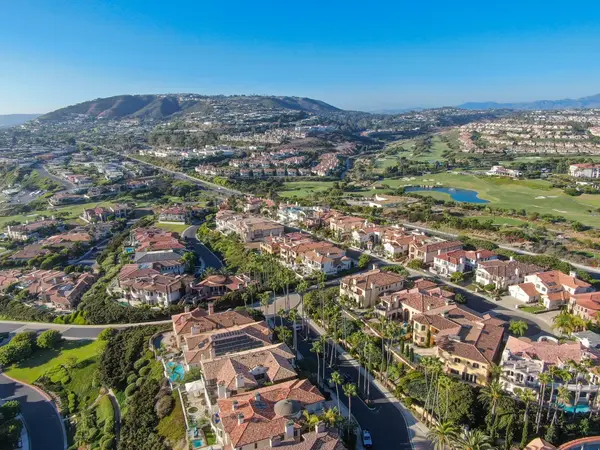
Aerial view of a Laguna Niguel hillside neighborhood with terracotta-roofed homes overlooking Laguna Niguel Lake.
Laguna Niguel and San Juan Capistrano tend to offer more relative value as coastal-adjacent cities, while San Clemente spans the widest range.
Away from the immediate beachfront, the value equation shifts. Laguna Niguel, a master-planned hillside city a short drive from the coast, generally offers more home and land for the money than the beachfront cities, with view estates at its own upper end. San Juan Capistrano, an inland historic town, tends to offer relative value as well, with larger parcels and equestrian land that are rare this close to the ocean. San Clemente sits in an interesting middle, offering the widest internal range of the five, from more attainable neighborhoods to high-end bluff and hillside estates, which makes it a market with an entry point for many budgets. None of these is inexpensive, but each stretches a coastal budget differently.
What drives the price differences between the cities?
The main drivers are proximity to the water, scarcity of supply, the character and walkability of the town, and the mix of housing types.
Four forces explain most of the variation. Proximity to the water comes first, since beachfront and view cities command more than coastal-adjacent ones. Scarcity is close behind, as built-out cities with limited supply hold value more firmly than those with room to grow. Town character matters too, since a walkable village or a prestige harbor carries a premium that a purely residential setting does not. And the mix of housing types shapes the range, since a city with everything from attached homes to oceanfront estates will show a far wider spread than one with a narrower inventory. Understanding these drivers lets you predict how any two areas will compare without needing a current figure in hand.
Why do regional averages mislead?
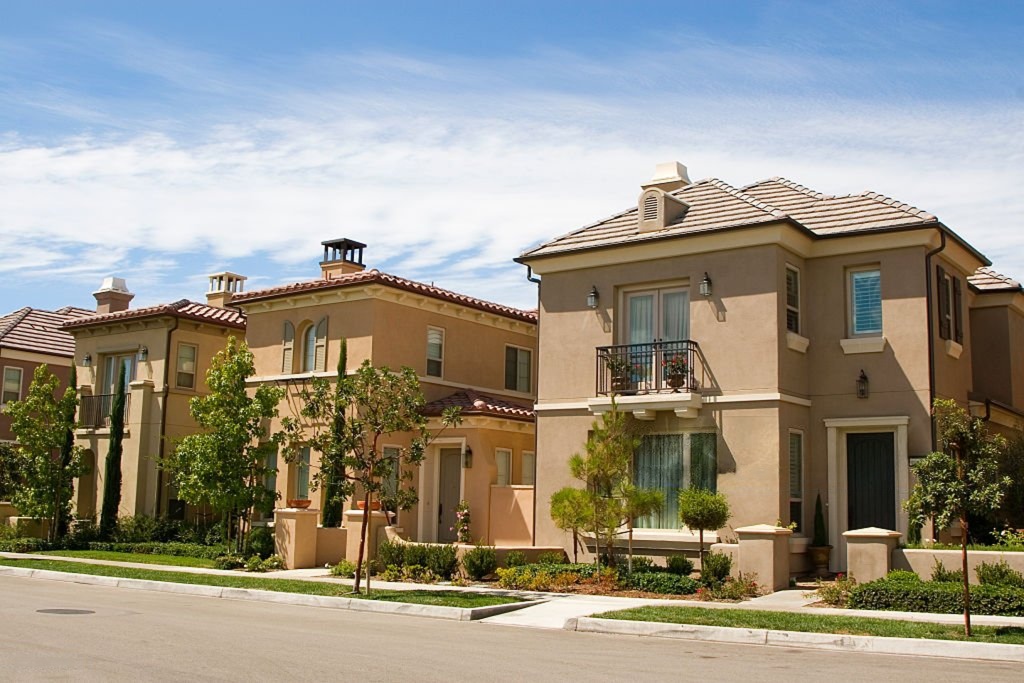
A row of Mediterranean-style stucco homes with tile roofs and tidy landscaping in a Laguna Niguel community.
Because each city contains a wide internal range, a single average blends very different neighborhoods and hides what a specific home is worth.
This is the point I most want buyers and sellers to absorb. A citywide or regional average lumps together walk-to-sand estates, hillside view homes, and inland pockets, producing a number that describes no actual home. On this coast, the value of a specific property is set by its street, its view, its lot, and its condition far more than by the city it sits in. Two homes in the same city at the same size can differ enormously, and two homes in different cities can be nearly identical in price. That is why I never let a client anchor to an average, and why the only pricing that matters is current and address-specific.
| City | Relative price position | What drives it |
|---|---|---|
| Dana Point | Upper tier | Harbor, oceanfront enclaves, revitalization momentum |
| Laguna Beach | Typically highest | Extreme scarcity, walkability, coves and arts |
| Laguna Niguel | Relative value with a strong high end | Coastal-adjacent space, hillside view estates |
| San Clemente | Widest range | Entry-level neighborhoods to high-end coastal estates |
| San Juan Capistrano | Relative value | Larger parcels, historic and equestrian land |
Frequently asked questions
Which coastal Orange County city is most expensive?
Laguna Beach generally sits at or near the top, driven by scarcity, walkability, and its coves and arts identity, with Dana Point close behind on the strength of its harbor and oceanfront enclaves. All five cities are premium, and within each the range is wide.
Which coastal city offers the best value?
Laguna Niguel and San Juan Capistrano tend to offer more relative value as coastal-adjacent cities, trading a beach address for more space and land. San Clemente also offers a wide range with more attainable entry points. Value always depends on the specific property, not just the city.
Are regional price averages reliable?
Not for pricing a specific home. Each city blends very different neighborhoods, so an average describes no actual property. The value of a home is set by its street, view, lot, and condition, which is why current, address-specific data is what matters.
Where to go next
- See how the luxury tier behaves in my Laguna Beach vs Dana Point luxury buyer's guide.
- Understand value drivers in my hilltop estate vs beachfront home comparison.
- Ready to buy? Read what it takes to buy a home in coastal South OC.

Comparing prices across the five cities is a great way to orient yourself, as long as you hold the comparison loosely and remember that the real number lives at the street level. My role is to translate the market into current, address-specific terms for the neighborhoods you are considering, so you never rely on an average that hides the truth. Whenever you want real figures for a real home, I am glad to provide them.

Susan Chase Group | Compass
Dana Point, California
949-370-6950
susan.chase@compass.com
livingincoastaloc.com
🙋🏼♀️ I’m Susan Chase, your South Orange County Realtor, advisor and guide, helping buyers, sellers, and relocations right-size and find a coastal home and lifestyle they’ll love. ❤️
Editorial note. This market study is written from more than thirty years of working all five coastal South Orange County cities. It is intended as general market education, not as an inducement toward or away from any community, and all observations here relate to real estate pricing dynamics and housing.
Sources and disclosure. This piece describes relative, long-run price relationships among the five coastal cities and deliberately avoids specific figures, which change continually. Refresh current market data before relying on any comparison for a decision. I am a licensed real estate advisor, not a financial, legal, or tax professional. Treat the observations here as general education and confirm current, address-specific pricing before acting.
Categories
- All Blogs (154)
- 2026 Harbor & Coast Reports (2)
- Coastal OC Lifestyle (16)
- Guides (11)
- Into the Weekend with Susan (1)
- Living in Dana Point (20)
- Living in Laguna Beach (20)
- Living in Laguna Niguel (19)
- Living in San Clemente (18)
- Living in San Juan Capistrano (17)
- Micro-Market Deep Dives (5)
- Relocation (3)
- Right Sizing Strategy (6)
- Strategic Market Intelligence (17)
Recent Posts



REVIEWS