
Relocating to Coastal Orange County: A Step-by-Step Planning Guide

Relocating to coastal Orange County works best as a staged plan: choosing the right town for your lifestyle, budgeting beyond the purchase price, timing the move, and settling into daily coastal life across the five South OC cities.
Most of the relocation stress I see is not about the house. It is about the order of operations. Buyers who move well are not the ones with the biggest budget; they are the ones who took the steps in the right sequence.
Over more than thirty years guiding moves into this stretch of coast, I have learned that a relocation is really a series of decisions stacked on top of each other, and getting the early ones right makes the later ones easy. Choose the wrong town and even a beautiful home disappoints. Skip the budgeting groundwork and escrow becomes a scramble. Plan the sequence well, and the whole thing feels calm. That is the aim of this guide: to give you the sequence I walk my own relocating clients through, so you can see the full path before you take the first step. You can find my broader relocation resources at livingincoastaloc.com/relocations, and this article is the planning backbone that ties them together.
What follows is a practical, staged plan: how to choose your town, how to get financially ready, how to time the move, how to handle the search and the close, and how to settle into coastal life once you arrive. Read it start to finish, then use it as a checklist.
Key takeaways
- A successful coastal relocation is sequenced: choose the town first, get financially ready second, then search, close, and settle.
- The five coastal South OC cities offer genuinely different lifestyles, so matching the town to how you live is the highest-leverage decision.
- Budget beyond the purchase price, since HOA dues, special assessments, insurance, and reassessed property taxes shape the true monthly cost.
- Give yourself a realistic runway, with the earliest planning ideally six to twelve months ahead of the move.
- The timeframes here are planning targets rather than guarantees, and a local advisor helps you compress them without cutting corners.

Where do you start when relocating to coastal Orange County?

You start by defining how you want to live, because that decision drives the town, the budget, and the timeline that follow.
Before any listing search, I ask relocating buyers to describe an ordinary week they would love to have. Do you want to walk to the sand and the coffee, or do you want space, a yard, and a short drive to the water? Do you want a walkable village, a planned community with trails and amenities, or a historic town with land and a slower pace? The answers sort the whole coast quickly, because these five cities are not variations on one theme; they are distinct places that reward different lives.
Getting this right early is what prevents the most common and most expensive mistake I see, which is buying the house and only then discovering the town does not fit. Start with the life, let it point you toward the town, and let the town narrow the search. Everything downstream gets simpler when you work in that order.
How do you choose the right coastal town?

You choose your town by matching its character to your daily priorities, since Dana Point, Laguna Beach, Laguna Niguel, San Clemente, and San Juan Capistrano each offer a different version of coastal life.
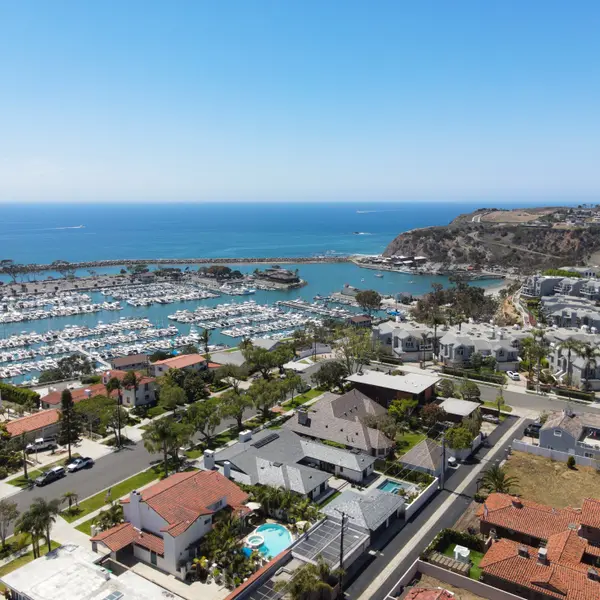
Here is the shorthand I give relocating clients. Dana Point organizes life around the harbor and the headlands, a walkable coastal city in the middle of a major waterfront revitalization. Laguna Beach is the compact arts village, coves and canyons and walkability, prized for scenery and culture over space. Laguna Niguel is the master-planned hillside city, space, views, and trails a short drive from the sand. San Clemente is the authentic surf town, a Spanish village by the sea with the widest range of neighborhoods. San Juan Capistrano is a historic mission town, with walkable heritage, equestrian land, and a deliberate pace, with the beach minutes away.
The best way to test a shortlist is to visit in different seasons and at different times of day, because a town in July is not a town in February, and a street at nine in the morning is not the same at six in the evening. My city-by-city relocation comparison lays the five side by side, and the complete lifestyle overview gives the wider frame. If you are moving from a major metro, my guide on relocating here from Los Angeles or the Bay Area speaks to the questions that group asks most.
The buyers who love where they land almost always choose the town before they choose the house. Get the place right, and the right home tends to reveal itself. Get it backward, and no floor plan can fix it.
How do you get financially ready?
You get ready by confirming your true budget with a lender and mapping the full monthly cost of a coastal home, not just the purchase price.
The purchase price is only the headline. On this coast, the number that matters for daily life is the total monthly cost, and several pieces sit underneath it. Many communities carry homeowners association dues, and some newer master-planned neighborhoods add special assessments that affect the monthly figure. Coastal properties can carry insurance considerations that differ from inland homes. And in California, a purchase generally resets the assessed value, so your property taxes will often look different from the prior owner's. None of these are reasons for concern; they are simply items to understand before you fall for a home, so the monthly reality matches your expectations.
If you are selling a current home to fund the move, the timing of that sale becomes part of the plan, since it affects your buying power and your schedule. This is the stage where a conversation with a trusted lender and a clear picture of your total costs pays for itself many times over. I am glad to help you frame the right questions and connect the pieces, and I always recommend confirming the numbers with your own financial and tax professionals for your specific situation.
How far ahead should you plan your move?
Plan the earliest steps six to twelve months ahead when you can, then work through search, offer, and move in the months that follow, treating each window as a target rather than a guarantee.
Every relocation has its own pace, and plenty of good moves happen faster than this. Still, a realistic runway removes most of the pressure. The table below is the framework I use with clients, showing roughly when to focus on what. Read the timeframes as planning targets, since inventory, your own readiness, and the market all move the exact dates. The value is in the sequence, not the calendar.
| Phase | Target timeframe | Where to focus |
|---|---|---|
| Explore and shortlist | 6 to 12 months out | Compare towns, visit in different seasons, define your priorities |
| Get financially ready | 4 to 8 months out | Confirm budget with a lender, map total monthly costs, plan any home sale |
| Search and tour | 2 to 4 months out | Tour neighborhoods with a local advisor, narrow to a town and a few pockets |
| Offer and escrow | 30 to 60 days out | Write and negotiate, complete inspections and due diligence |
| Move and settle | Move month | Coordinate logistics, set up the home, learn the town |
How do you handle the search and the close?
You handle the search by touring with a local advisor who knows the micro-locations, then move decisively through offer, inspections, and escrow when the right home appears.
By the time you are touring, the groundwork should already have narrowed you to a town and a few neighborhoods, which turns the search from overwhelming to focused. On this coast micro-location drives almost everything, so a home that looks identical to another online can live very differently depending on the street, the view, the association, and the walk to the water. This is where local perspective earns its place, catching the things a listing photo hides and steering you toward the pockets that fit your list.
When the right home appears, the close is a sequence of its own, a considered offer, negotiation, inspections and due diligence, and escrow. Coastal homes reward careful inspections, since salt air, slopes, and site conditions deserve attention, and the due diligence period is where you confirm what you are buying. Move decisively when the fit is right, and lean on your advisor to keep the steps orderly. If you want the fuller buyer walk-through, my guide on what it takes to buy a home in coastal South Orange County covers the process end to end.
How do you settle into coastal life once you arrive?

You settle in by handling the practical setup first, then giving yourself time to learn the town and build the routines that make a place feel like home.
The practical layer comes first, transferring utilities, updating your address, and getting the household running. After that, the part that actually turns a house into a home is unhurried and worth doing on purpose. Learn your beaches and trails, find the coffee spot and the market you will return to, and let a weekly rhythm form around the water and the town. Coastal South OC rewards people who get outside and get involved, so the harbor events, the village walks, and the local calendar are the fastest way to feel like a resident rather than a newcomer.
Give it a season. The buyers who settle most happily are the ones who treated the first few months as a chance to explore rather than a test to pass. The town reveals itself, the routines form, and one morning you realize you are no longer visiting.
Frequently asked questions
How long does it take to relocate to coastal Orange County?
Timelines vary widely, and many moves happen quickly, but planning the earliest steps six to twelve months ahead removes most of the pressure. The important thing is the sequence, choosing the town, getting financially ready, then searching, closing, and settling, rather than any exact number of days.
Which coastal South OC city should I choose?
It depends on how you want to live. Dana Point centers on the harbor, Laguna Beach on a walkable arts village, Laguna Niguel on space and views near the coast, San Clemente on surf-town range, and San Juan Capistrano on history and land. Matching the town to your daily priorities is the key decision, and comparing them side by side is the best place to start.
What costs should I budget for beyond the purchase price?
Look beyond the price to the total monthly cost, which can include homeowners association dues, special assessments in some newer communities, coastal insurance considerations, and property taxes that generally reset at purchase in California. Understanding these early keeps the monthly reality in line with your expectations, and your own financial and tax professionals can confirm the specifics.
Where to go next
- Compare the five towns in my city-by-city relocation comparison.
- Get the wider frame in the complete coastal South OC lifestyle overview.
- Explore all of my relocation resources in one place.
Final word from Susan Chase
A relocation done in the right order feels less like a leap and more like a series of clear, manageable steps. That is the part I love, helping people see the whole path and then walk it without the stress. If you are early in your thinking, the most useful thing we can do is map your priorities to the right town and build a realistic timeline around your move, well before any house enters the picture.


Susan Chase
Susan Chase Group | Compass
Dana Point, California
949-370-6950
susan.chase@compass.com
www.livingincoastaloc.com
🙋♀️ I’m Susan Chase, your South Orange County Realtor, advisor and guide, helping buyers, sellers, and relocations right-size and find a coastal home and lifestyle they’ll love. ❤️
Editorial note. This planning guide is written from more than thirty years of guiding relocations along the coast of South Orange County. It is intended as general orientation, not as an inducement toward or away from any community, and all observations here relate to geography, lifestyle, logistics, and housing.
Related reading
- Moving to Coastal South Orange County, Which City Is Right for You?
- Living in Coastal South Orange County, A Complete Lifestyle Overview
- Why People Move to Dana Point and Laguna Niguel from LA and the Bay Area
- What It Actually Takes to Buy a Home in Coastal South Orange County
Sources and disclosure. Cost categories, association structures, insurance factors, and property-tax practices described here reflect general information current as of mid-2026 and can change, so confirm the specifics for any property and your own circumstances before you rely on them. I am a licensed real estate advisor, not a financial, legal, or tax professional. Any timeframes are planning targets rather than guarantees, and market conditions move, so treat the specifics here as orientation and verify current details before acting.
Categories
- All Blogs (160)
- 2026 Harbor & Coast Reports (3)
- Coastal OC Lifestyle (16)
- Guides (17)
- Into the Weekend with Susan (1)
- Living in Dana Point (20)
- Living in Laguna Beach (20)
- Living in Laguna Niguel (19)
- Living in San Clemente (18)
- Living in San Juan Capistrano (17)
- Micro-Market Deep Dives (5)
- Relocation (3)
- Right Sizing Strategy (6)
- Strategic Market Intelligence (17)
Recent Posts









REVIEWS