
What Should Buyers Know About Mello-Roos and HOA Fees in Laguna Niguel, San Clemente, and San Juan Capistrano Before Making an Offer?
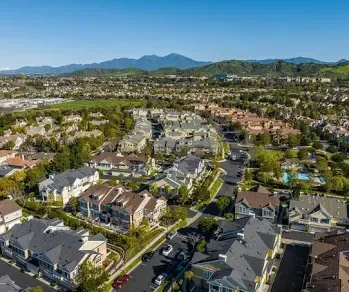
Mello-Roos assessments are the most reliably surprising cost discovery for buyers in South Orange County — particularly buyers relocating from other states or from areas of California where these assessments are less common. I have seen buyers under contract discover that the property they are purchasing carries an additional $6,000 to $12,000 per year in assessments that they had no idea existed before they wrote the offer. That is a preventable situation, and it is one of the things I work hardest to address early in every buyer relationship.
This guide is designed to demystify both Mello-Roos assessments and HOA fee structures specifically for the communities in Laguna Niguel, San Clemente, and San Juan Capistrano — the three markets in coastal South OC where these costs have the greatest variation and the highest potential for buyer surprise.

What Is Mello-Roos, Explained Simply
Mello-Roos is a California law — formally the Mello-Roos Community Facilities Act of 1982 — that allows local governments and developers to create Community Facilities Districts (CFDs) to fund infrastructure and services through special tax assessments on property owners within the district. In plain English: when a master-planned community is developed, the developer often finances the roads, sewers, storm drains, schools, and other infrastructure through a CFD, and then that debt is repaid over time through annual assessments on the homes in the community.
Mello-Roos is completely legal and extremely common in California's master-planned communities, particularly those developed since the 1980s. It is not a sign that something is wrong with a property. But it is an additional cost that can substantially affect affordability — and buyers who discover it late in a transaction often feel blindsided because it was not prominently featured in the listing.
How Mello-Roos Is Calculated and When It Expires
Mello-Roos assessments are calculated based on the specific CFD, the size of the parcel, and the total debt service of the district. Unlike property taxes, which are proportional to assessed value, Mello-Roos assessments are often set as a flat amount per parcel or based on square footage, and they do not necessarily increase with the home's market value.
Critically, Mello-Roos districts have defined expiration dates — the term over which the debt will be repaid and the assessment will end. In many South OC communities, Mello-Roos expires between 20 and 40 years from the district's formation. This means that older communities where Mello-Roos was active 25 to 30 years ago may now have expired assessments, while newer communities still carry the full load. Buyers considering newer development areas should always verify both the current annual assessment and the expected expiration date.
The two most important Mello-Roos facts for any buyer to know: first, the exact current annual assessment; second, the expected expiration date of the district. Both are obtainable from the title company or the county CFD records before you make an offer — and both belong in your offer-stage due diligence checklist.
How to Find Out If a Property Has Mello-Roos
The most reliable methods for confirming Mello-Roos before making an offer:
- Request a Natural Hazard and Tax Disclosure report — this will list all active CFD assessments on the property
- Call the county CFD administrator (San Diego County or Orange County depending on location) and ask for the current annual assessment for the specific parcel APN number
- Ask your agent to request a copy of the current tax bill from the seller — the full bill, not just the base rate
- Review the preliminary title report once in escrow — this will confirm all recorded assessments
I provide every buyer I work with in these communities a full cost-of-ownership analysis that includes the current Mello-Roos assessment as a line item before they write an offer. This is a standard part of my buyer representation, not an extra step.
Mello-Roos by Community: What to Expect in Each Market
Laguna Niguel
Laguna Niguel's older master-planned communities — Bear Brand Ranch, Niguel Shores, and portions of Ocean Ranch — were developed primarily in the 1970s through 1980s, before Mello-Roos was widespread. Many of these communities have little or no active Mello-Roos. However, newer development areas in the city, particularly around Avendale Village and Beacon Hill, carry active CFD assessments that buyers should verify before making an offer.
HOA fees in Laguna Niguel range from approximately $150 per month in the most basic non-gated communities to over $750 per month in Bear Brand Ranch and higher-amenity gated communities. The HOA fee profile should always be evaluated alongside the Mello-Roos assessment to understand the full monthly carrying cost.
San Clemente: Talega and the Master-Planned Communities
San Clemente has the most complex Mello-Roos landscape of the three markets covered in this guide. Talega — the large master-planned community in eastern San Clemente — carries active CFD assessments that can add $4,000 to $10,000 or more per year to the property tax bill depending on the specific sub-district and parcel. Talega is one of the communities where buyers who do not specifically ask about Mello-Roos are most likely to be surprised.
Within Talega, different neighborhoods (Cantobrio, Farralon, San Rafael, and others) have different assessment levels depending on when they were developed, the infrastructure they fund, and the specific CFD they belong to. There is no single "Talega Mello-Roos" number — buyers must look up the specific parcel.
Other San Clemente master-planned communities — Marblehead, Sea Summit, and the Forster Ranch neighborhoods — also carry varying levels of CFD assessment. The older beach-adjacent neighborhoods of central San Clemente (the Riviera District, Pier Bowl area, southwest San Clemente) generally have no Mello-Roos, which is one reason buyers focused on the beach-close lifestyle sometimes find better value in these areas even at comparable price points.
San Juan Capistrano: Pacifica San Juan, Covenant Hills, and Marbella
San Juan Capistrano's luxury communities each have their own assessment profile. Pacifica San Juan, as a newly developed master-planned community, carries active Mello-Roos that will be with buyers for the next 20 to 30 years — buyers considering this community should model the full assessment load carefully and factor it into price-per-square-foot comparisons with resale alternatives.
Covenant Hills, developed in the early 2000s, carries CFD assessments that are somewhat lower than Pacifica San Juan's but still meaningful. Marbella Country Club, one of the older luxury communities in SJC, has lower or no Mello-Roos depending on the specific parcel, but carries significant HOA fees given its guard-gated country club infrastructure.
Community-by-Community Assessment Reference Guide
Mello-Roos and HOA Reference Guide — Laguna Niguel, San Clemente, San Juan Capistrano (2026)
|
Community |
City |
Mello-Roos Est. |
HOA Est./Month |
Notes |
|
Bear Brand Ranch |
Laguna Niguel |
None or minimal |
$350 – $550 |
Older community; verify per parcel |
|
Ocean Ranch |
Laguna Niguel |
Minimal to none |
$200 – $400 |
Most portions pre-Mello-Roos era |
|
Avendale Village |
Laguna Niguel |
$1,500 – $3,500/yr |
$200 – $350 |
Newer sections — verify CFD |
|
Talega (all areas) |
San Clemente |
$4,000 – $10,000+/yr |
$150 – $350 |
Highly variable by sub-district |
|
Marblehead |
San Clemente |
$2,000 – $5,000/yr |
$250 – $450 |
Gated; verify per parcel |
|
Forster Ranch |
San Clemente |
$1,500 – $4,000/yr |
$100 – $250 |
Varies significantly by neighborhood |
|
Riviera District / Central SC |
San Clemente |
None or minimal |
$0 – $150 |
Older area; generally no Mello-Roos |
|
Pacifica San Juan |
San Juan Cap. |
$5,000 – $12,000+/yr |
$200 – $400 |
New development; full assessment active |
|
Covenant Hills |
San Juan Cap. |
$2,500 – $6,000/yr |
$300 – $500 |
Gated; guard entry |
|
Marbella CC |
San Juan Cap. |
Minimal to none |
$450 – $750 |
Older community; higher HOA covers more |
All figures are estimates based on 2025-2026 market research. Individual parcels vary significantly. Always verify the exact assessment for any specific parcel using the methods described in this guide before making an offer.
HOA Fees: What They Cover and What to Watch For
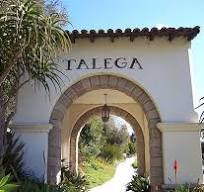
Talega in San Clemente is one of the communities where Mello-Roos assessments can most significantly affect the total cost of ownership calculation — community-level research is essential before making an offer in any Talega sub-district.
HOA fees are separate from Mello-Roos and cover the operational costs of the homeowners association — maintenance of common areas, management, insurance on common areas, community amenities, and in some cases security and exterior maintenance. HOA fees are recurring monthly costs that do not expire the way Mello-Roos assessments do.
The most important thing buyers should understand about HOA fees is that the headline monthly number is not the full picture. Buyers should review:
- The current reserve fund balance — a well-funded reserve means the HOA can handle capital improvements without special assessments
- The reserve fund adequacy percentage — most professional HOA managers target 70% or above as a healthy reserve fund
- The history of special assessments in the community for the past five to ten years — a history of frequent special assessments is a warning sign
- Recent HOA board meeting minutes — these often reveal upcoming capital projects, litigation, or significant financial decisions that affect the community
California HOA law requires disclosure of these documents as part of the standard escrow package, which means buyers will receive them — but only if they actually read them. I spend time with every client walking through the key financial indicators in the HOA disclosure package before they remove their contingencies.
Susan Chase's Pre-Offer Checklist for Mello-Roos and HOA
For every buyer I work with who is purchasing in a community that may have Mello-Roos or HOA costs, I recommend the following steps before writing an offer:
- Step 1: Request the current full property tax bill — not the listed percentage, but the actual dollar amount on the most recent tax statement
- Step 2: Look up the parcel APN on the Orange County tax collector website to confirm all active assessments — search for special districts line items
- Step 3: Call the HOA management company to confirm the current monthly dues, any pending special assessments, and the reserve fund balance
- Step 4: Request a copy of the HOA reserve study — ask specifically for the reserve fund adequacy percentage
- Step 5: Build the total annual carrying cost (base tax + Mello-Roos + HOA + insurance + maintenance) into your offer-stage affordability model
- Step 6: Confirm the Mello-Roos expiration date for the specific parcel — ask the title company or county CFD administrator
This pre-offer checklist is part of my standard buyer representation process. I cover every item on this list with my clients before they write an offer in any of these three markets. For a broader overview of the due diligence process for coastal South OC buyers, see my comprehensive buyer due diligence guide.
Frequently Asked Questions
What is the Mello-Roos assessment in Talega, San Clemente?
Talega's Mello-Roos assessments vary significantly by sub-district and parcel. Buyers should not rely on a community-level estimate — the only reliable number is the current tax bill for the specific parcel. General ranges in Talega run from approximately $4,000 to over $10,000 per year depending on the neighborhood and parcel size. This is one of the most important pre-offer research steps for any Talega buyer.
Does Marbella Country Club in San Juan Capistrano have Mello-Roos?
Marbella Country Club is an older established community and generally has minimal or no active Mello-Roos assessments, depending on the specific parcel. However, the community carries significant HOA fees that reflect the cost of maintaining the guard-gated entry, country club facilities, and community infrastructure. Buyers should verify the specific parcel's tax bill rather than relying on community-level generalizations.
How do I find the Mello-Roos assessment for a specific property before making an offer?
Request the current full property tax bill from the seller or listing agent. Look up the parcel APN on the Orange County Treasurer-Tax Collector's website. Order a Natural Hazard and Tax Disclosure report through any title company — this will list all active CFD assessments. The title company can also research the specific CFD for the property and confirm the current annual assessment and expected expiration date.
Can I negotiate a credit for Mello-Roos in the purchase price?
Mello-Roos assessments are a property obligation that transfers to any buyer — they cannot be eliminated. However, buyers can absolutely factor the Mello-Roos burden into their offer price, and a well-informed buyer's agent will incorporate the full cost of ownership picture into offer strategy. A home with a $7,000 annual Mello-Roos assessment should be viewed differently in price comparison to a non-Mello-Roos property — and your offer should reflect that analysis.
Will Mello-Roos ever go away?
Yes — Mello-Roos assessments expire when the underlying CFD debt is repaid, which happens on a defined schedule specific to each district. In many South OC communities, this expiration date is visible in the CFD documentation. Once a Mello-Roos district expires, the assessment ends and the annual carrying cost decreases accordingly. For buyers in communities with assessments expected to expire within five to fifteen years, this planned reduction in carrying cost can be a meaningful component of the investment thesis.

External Authority Resources
- California Department of Education — Mello-Roos and Community Facilities Districts Explained: CA Dept of Education CFD Overview
- Orange County Treasurer-Tax Collector — Property Tax and Special Assessments Search: OC Treasurer-Tax Collector
- California Association of Realtors — Disclosure Requirements for Buyers: CAR Disclosure Information
Susan Chase Resources
- 2026 Buyer Due Diligence Guide for Coastal South OC: Coastal OC Buyer Due Diligence Guide
- San Clemente Community Overview: San Clemente CA Real Estate
- San Juan Capistrano Community Overview: San Juan Capistrano CA Real Estate
- Schedule a Consultation: Book a Real Estate Consultation
Understanding the full cost of ownership in coastal South OC is one of the most important things I help buyers get right before they commit to a purchase. If you are evaluating properties in Laguna Niguel, San Clemente, or San Juan Capistrano and want to make sure you have a complete picture of the carrying costs before you write an offer, reach out at www.livingincoastaloc.com or find me on Instagram @susanchasecoastaloc. This is exactly the kind of conversation I am glad to have. Book a Consultation here: https://calendly.com/susan-chase-1/real-estate-consultation?

Susan Chase
📍 Dana Point & Laguna Niguel
📞 949-370-6950
📧 susan.chase@compass.com
🙋♀️ I’m Susan Chase, your South Orange County Realtor and guide — helping buyers, sellers, and relocations right-size and find a coastal home and lifestyle they’ll love. ❤️
Categories
- All Blogs (129)
- 2026 Harbor & Coast Reports (2)
- Coastal OC Lifestyle (7)
- Guides (10)
- Into the Weekend with Susan (1)
- Living in Dana Point (17)
- Living in Laguna Beach (19)
- Living in Laguna Niguel (14)
- Living in San Clemente (15)
- Living in San Juan Capistrano (15)
- Micro-Market Deep Dives (5)
- Relocation (2)
- Right Sizing Strategy (6)
- Strategic Market Intelligence (18)
Recent Posts







REVIEWS