
Mello-Roos in San Clemente: The Talega Tax Line Buyers Always Underestimate
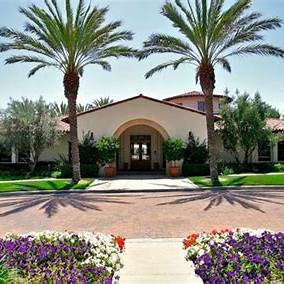
In Talega, Mello-Roos is a fixed special tax added on top of the roughly one percent base rate, commonly running about $1.05 to $1.79 per square foot of living area each year. On a typical home that lands in the low hundreds of dollars a month, it usually escalates around two percent a year.
You find two San Clemente homes you could see yourself in. Same price, similar size, both bright and updated, a few minutes apart. One sits in an older neighborhood near the pier. The other is in Talega, newer, with the pools and the trails and the resort feel. On the listings, it looks like a fair fight. Then you pull the real monthly numbers, and the Talega home quietly costs a few hundred dollars more every month. Nothing on the listing warned you. The difference was sitting in one line on the property tax bill, the line called Mello-Roos.
This is the single most underestimated number in the San Clemente market. Buyers fall for the newer construction and the amenities, run the mortgage and the base tax, and forget the special tax that comes attached to many newer homes here. It is not a reason to avoid Talega. The community is genuinely lovely, and plenty of buyers happily pay for what it offers. It is simply a number that belongs in the comparison from the start, rather than a surprise after you are already emotionally committed.
This guide takes the tangle apart. It explains how Mello-Roos works in Talega and the other newer San Clemente neighborhoods, what it pays for, how long it typically lasts, and how to fold it into an honest comparison so the home that looks cheaper on paper is not actually the more expensive one to own. For the wider view of the city and its neighborhoods, start with my San Clemente communities guide.
What Mello-Roos actually is
Mello-Roos is the common name for a special tax levied by a Community Facilities District, or CFD, created under California's Community Facilities Act of 1982. When a new community needs roads, utilities, parks, schools, and public facilities, a CFD can fund that infrastructure through bonds, and the homes inside the district repay the bonds through an annual special tax. It is the tool California has used to build most of its master-planned communities since the early 1980s, which is exactly why older neighborhoods rarely have it and newer ones often do.
The key thing to understand is that Mello-Roos is separate from your regular property tax. Your base tax is roughly one percent of assessed value under Proposition 13. The Mello-Roos special tax is an additional line item on the same bill, attached to the parcel rather than to the home's value. It does not reset to a higher number when the property sells the way your base tax does, but it also does not go away simply because you bought at a different price. It belongs to the land until the obligation behind it ends.
The Talega number, and the myth around it
Talega is the San Clemente community most associated with Mello-Roos, and it is worth getting the number right, because the common shorthand is wrong. People describe Talega as a one-point-eight percent tax area, as if the whole rate were inflated. That is not how it works. The base rate in Talega is about one percent, the same as the rest of San Clemente. On top of that sits a fixed Mello-Roos amount, and it is the combination that makes the total feel high.
That fixed amount in Talega has commonly run somewhere in the range of about $1.05 to $1.79 per square foot of living area each year, with the community divided into multiple Community Facilities Districts whose rates differ from one neighborhood to the next. A larger home pays more than a smaller one, since the charge is tied to square footage rather than value. As a rough sense of scale, a three-thousand-square-foot Talega home in that range carries somewhere in the neighborhood of a few hundred dollars a month in Mello-Roos alone, on top of the base tax and any HOA. One more wrinkle is worth knowing. In Talega, the older the home within the community, the smaller the remaining Mello-Roos tends to be, because its bonds are further along.
What the Talega tax pays for
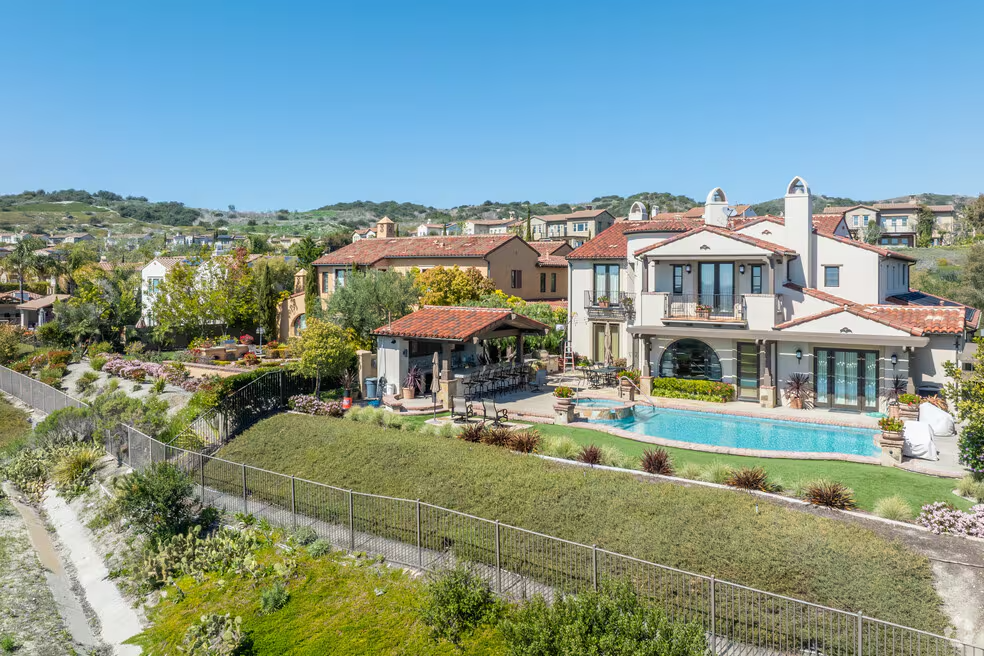
It helps to remember that Mello-Roos is not money into a void. In Talega it funded the infrastructure and public facilities that make the community what it is, the roads and utilities that serve the homes, and the public parks the city owns and maintains within the community, with their ball fields, courts, and aquatic facilities. Some of the districts were specifically authorized to fund school facilities serving the area. In other words, the same special tax that raises the monthly cost is part of why the community has the amenities and the newer infrastructure that drew the buyer in the first place.
That framing matters when you compare an older San Clemente neighborhood with a newer one. The older home near the pier may have no Mello-Roos, but it also was not built with a master-planned set of new parks and facilities funded that way. You are not simply paying more for the same thing. You are often paying for a different package, and whether it is worth it depends on how much you value what the special tax provides.
How long it lasts
Mello-Roos is not forever, though it can feel that way to a new owner. The special tax exists to repay bonds, and it is generally scheduled to last as long as those bonds do, often around twenty to twenty-five years from issuance, with a legal ceiling of forty years for bond repayment. Many Talega special taxes include an annual escalation of about two percent, so the amount rises modestly over time rather than holding flat. Some of the community's bonds have been scheduled to mature within the next several years, while certain special taxes can run further out, into the 2040s in some cases.
There is a second category to watch for. Some CFD charges fund ongoing services rather than one-time construction, and those can continue indefinitely rather than retiring with the bonds. The only way to know which kind of specific home carries, and when it is scheduled to step down or end, is to read the district documents for that parcel. The end date is not a detail. For a long-term owner, it can change the total cost of the home by a great deal.
HOA dues are a separate bill
One common confusion is worth clearing up directly. In many Talega tracts, a home carries both Mello-Roos and HOA dues, and neither replaces the other. The HOA dues are paid to the homeowners association and cover the private community expenses, the maintenance, and the shared amenities. The Mello-Roos is paid through the property tax bill and funds public infrastructure or services. A buyer budgeting for a Talega home has to account for all of it, the base tax, the Mello-Roos, and the HOA, to see the true monthly cost. The discipline of reading the full tax bill line by line is the same one I lay out in my guide to decoding a property tax bill.
How it changes what you can borrow
There is a side of Mello-Roos that catches buyers by surprise at the lender's office rather than the closing table. Lenders count recurring property taxes, including Mello-Roos, in your debt-to-income calculation. That means the special tax not only raises your monthly cost, it can also lower the price you qualify for at a given budget. Two buyers with identical incomes can be approved for different homes depending on whether the home they want carries Mello-Roos. It is worth asking your lender to confirm that your full tax bill, special tax included, is reflected in the payment estimate they are qualifying you against.
How to verify it for a specific home
You never have to guess on Mello-Roos, and you should not. The most reliable source is the current property tax bill for the parcel, which lists the Community Facilities District line and the exact amount due. Ask the agent for the home's Assessor's Parcel Number, then pull the bill through the Orange County Treasurer-Tax Collector or the assessor's parcel search. Beyond the bill, the preliminary title report flags the CFD liens recorded against the property, and the district's own documents, including the Rate and Method of Apportionment and any Notice of Special Tax, spell out how the charge is calculated, how it escalates, and when it is scheduled to end.
Because Mello-Roos varies tract by tract within the same community, the rule is to verify by parcel rather than by neighborhood reputation. Two homes a street apart in Talega can carry different special taxes, and the only way to compare them honestly is to read each one's actual numbers.
Comparing two homes honestly
Now, the two San Clemente homes from the start of this guide stop being a fair fight on price alone. Take both listings at the same number. Run the base tax at about one percent of the price for each, add the Mello-Roos for any home that carries it, and add the real HOA dues. Convert the annual tax and special tax to a monthly figure, add the dues, and you finally have the comparison that matters, the true monthly cost of ownership rather than the sticker price.
More often than not in San Clemente, that exercise flips the picture. The newer home that looked even with the older one on price reveals a few hundred dollars a month of additional carrying cost, almost all of it Mello-Roos. Sometimes the amenities and newer construction are worth every dollar of it. Sometimes the older home with no special tax is the better buy. The point is not that one is right. It is that you cannot tell which is which until the special tax is in the math. For the opposite situation, where a qualifying historic home's tax can be lowered rather than raised, see my guide to the Mills Act in San Juan Capistrano.
| What it is | A special tax levied by a Community Facilities District under California's 1982 act, repaying bonds for public infrastructure |
|---|---|
| Relationship to base tax | Separate and additional, on top of the roughly one percent Proposition 13 base rate, as its own line item |
| Talega amount (representative) | Commonly about $1.05 to $1.79 per square foot of living area per year, varying across multiple CFDs |
| How it scales | Tied to square footage rather than value, so larger homes pay more, often with about a two percent annual escalation |
| Typical duration | Generally, around 20 to 25 years from issuance, with a 40-year legal ceiling, though service CFDs can continue indefinitely |
| What it funds in Talega | Roads, utilities, public parks and facilities, and in some districts, school facilities |
| HOA dues | Separate from Mello-Roos, paid to the association, common to carry both in Talega |
| Where to verify | Current tax bill via the Orange County Treasurer-Tax Collector by parcel, preliminary title report, and the Rate and Method of Apportionment |
Frequently asked questions
Does every home in Talega have Mello-Roos?
Most Talega tracts carry Mello-Roos, but the amount varies from one neighborhood and parcel to the next, and older homes within the community tend to carry less as their bonds mature. Because it differs tract by tract, always verify by parcel using the current tax bill rather than assuming a single figure for the whole community.
Is the Talega tax rate really 1.8 percent?
No, and that shorthand causes real confusion. The base tax rate in Talega is about one percent, the same as the rest of San Clemente. On top of that sits a fixed Mello-Roos amount, commonly in the range of about $1.05 to $1.79 per square foot of living area. The combination is what makes the total feel high, not an inflated base rate.
When does Mello-Roos end in Talega?
It depends on the specific district. Bonds generally run around 20 to 25 years from issuance, with some Talega bonds scheduled to mature within the next several years and certain special taxes running into the 2040s. Some CFD charges fund ongoing services and can continue indefinitely, so the only reliable answer comes from the district documents for that parcel.
Does Mello-Roos affect how much I can borrow?
Yes. Lenders include recurring property taxes such as Mello-Roos in your debt-to-income calculation, so the special tax can lower the price you qualify for at a given monthly budget. Ask your lender to confirm that your full tax bill, including any special tax, is reflected in the payment they are qualifying you against.
How do I find out the exact Mello-Roos amount on a San Clemente home?
Ask the agent for the Assessor's Parcel Number, then pull the current property tax bill through the Orange County Treasurer-Tax Collector or the assessor's parcel search, which lists the Community Facilities District line and the exact amount. The preliminary title report and the district's Rate and Method of Apportionment confirm the terms, escalation, and end date.
The Final Word from Susan Chase
Mello-Roos is not the villain of the San Clemente market, but it is the number that decides which of two similar homes actually costs more to own. The buyers who get surprised are the ones who fell for the newer home and ran the math too late. The buyers who choose well put the special tax in the comparison from the first showing, see the true monthly cost of each home side by side, and then decide whether Talega's amenities are worth the line on the bill. Run the real number, and the right home becomes obvious.
Living in Coastal OC is the editorial home of Susan Chase and the Susan Chase Group at Compass, serving buyers, sellers, and relocations across Laguna Beach, Dana Point, Laguna Niguel, San Clemente, and San Juan Capistrano. For private consultations, neighborhood tours, or relocation guidance, contact us at livingincoastaloc.com.

Susan Chase Group | Compass
Dana Point, California
949-370-6950
susan.chase@compass.com
livingincoastaloc.com
🙋🏼♀️ I’m Susan Chase, your South Orange County Realtor, advisor and guide, helping buyers, sellers, and relocations right-size and find a coastal home and lifestyle they’ll love. ❤️
Sources & Data Verification Mello-Roos structure as a special tax levied by Community Facilities Districts under California's Community Facilities Act of 1982, funding public infrastructure and services through bonds, separate from and additional to the roughly one percent Proposition 13 base tax, and attached to the parcel: California Community Facilities Act references and Orange County tax materials. Talega specifics, including the presence of multiple Community Facilities Districts, the representative Mello-Roos range of about $1.05 to $1.79 per square foot of living area, the tie to square footage, the approximately two percent annual escalation, the funding of roads, utilities, public parks and facilities, and certain school facilities, and bond maturities scheduled in the coming years with some special taxes running into the 2040s: Talega community and San Clemente references, and aggregated Orange County CFD information. Mello-Roos duration of roughly 20 to 25 years with a 40-year ceiling, and the possibility of service CFDs continuing indefinitely: general California Mello-Roos references. Lender treatment of special taxes in debt-to-income calculations, the coexistence of HOA dues and Mello-Roos, and verification through the property tax bill, preliminary title report, and Rate and Method of Apportionment: aggregated San Clemente and Orange County buyer-guidance references, 2025 to 2026. All figures in this article are representative, vary by tract, and change over time, and are not quotes for any specific property. Confirm the exact Mello-Roos amount and terms by pulling the current tax bill for the parcel through the Orange County Treasurer-Tax Collector, reviewing the preliminary title report and the Rate and Method of Apportionment, and consulting a qualified tax advisor and your lender, before making a purchase decision.
Categories
- All Blogs (153)
- 2026 Harbor & Coast Reports (2)
- Coastal OC Lifestyle (15)
- Guides (11)
- Into the Weekend with Susan (1)
- Living in Dana Point (20)
- Living in Laguna Beach (20)
- Living in Laguna Niguel (19)
- Living in San Clemente (18)
- Living in San Juan Capistrano (17)
- Micro-Market Deep Dives (5)
- Relocation (3)
- Right Sizing Strategy (6)
- Strategic Market Intelligence (17)
Recent Posts



REVIEWS