
Septic, Sewer, and Old Utilities in Laguna Beach: A Buyer's Due-Diligence Guide
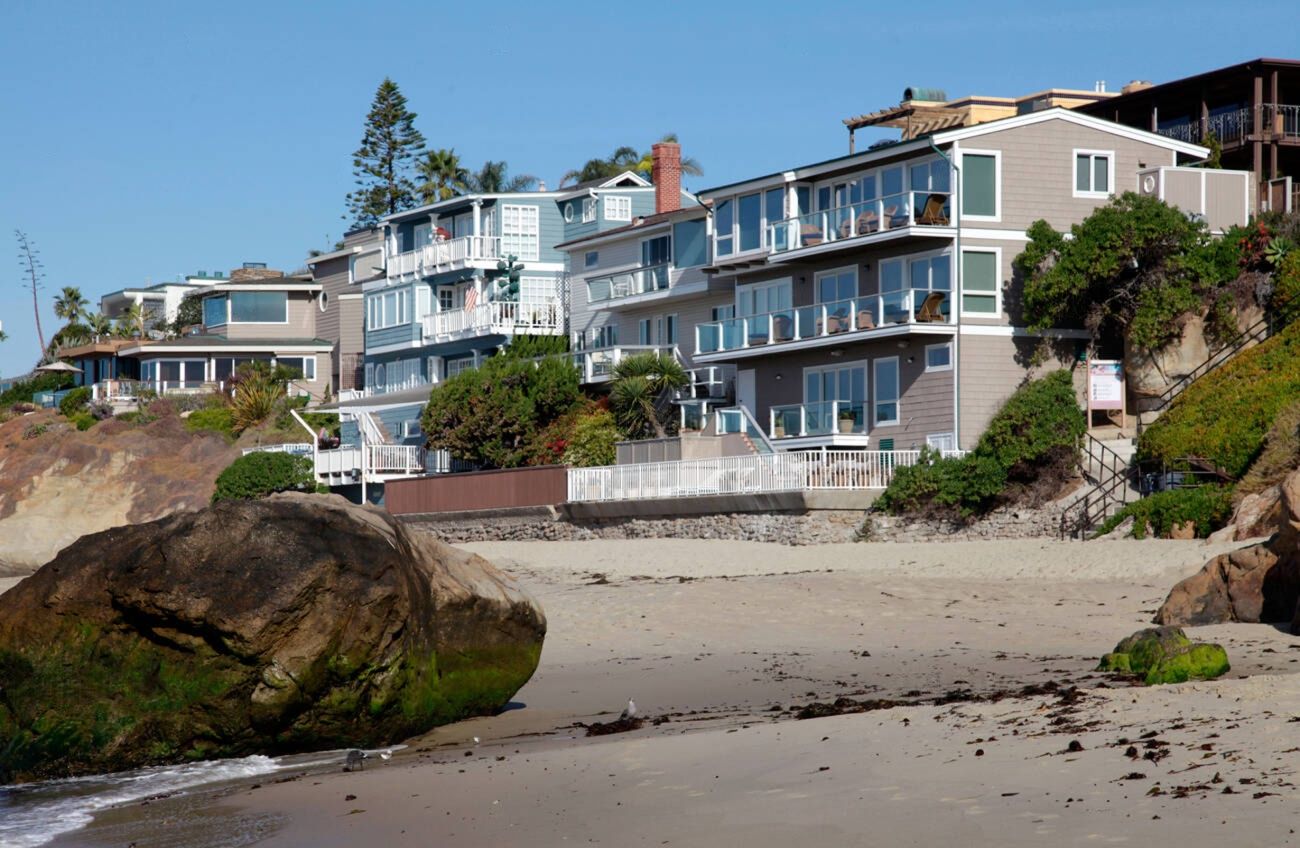
Most Laguna Beach homes connect to public sewer, but a small number of older canyon and large-lot properties still run on private septic systems. The right answer depends on the address, which is why septic and sewer status belongs in your due diligence.
You fall for the cottage first. The way it sits in the canyon light, the worn brick path, the deck that catches the last of the afternoon sun. Homes like this are part of why people fall in love with Laguna Beach in the first place. They were built by hand, decades before the codes most buyers take for granted, and they carry a character that newer construction rarely matches. The buyer who is drawn to this town tends to want the real thing, the home with a past, not the one that looks like every other new build on the coast.
That same age is doing something underground that almost no buyer thinks about during a first showing. It is moving your water in and your waste out, through pipes and systems that may be original to the house. Buyers arriving from newer markets are often surprised to learn what a property is connected to only after they are already in escrow, when the cost of a surprise is highest and the leverage to negotiate is lowest.
This guide is the version of the conversation I would have with you standing in the driveway. It walks through how to tell what a home is connected to, which inspections matter on an older Laguna property, what a sewer conversion can involve, and the questions that belong in every offer on a vintage cottage or canyon home. For the wider view of the city and its neighborhoods, start with my Laguna Beach communities guide. None of this is meant to scare you off the homes with soul. It is meant to let you buy one with your eyes open.
Why an older Laguna home works differently
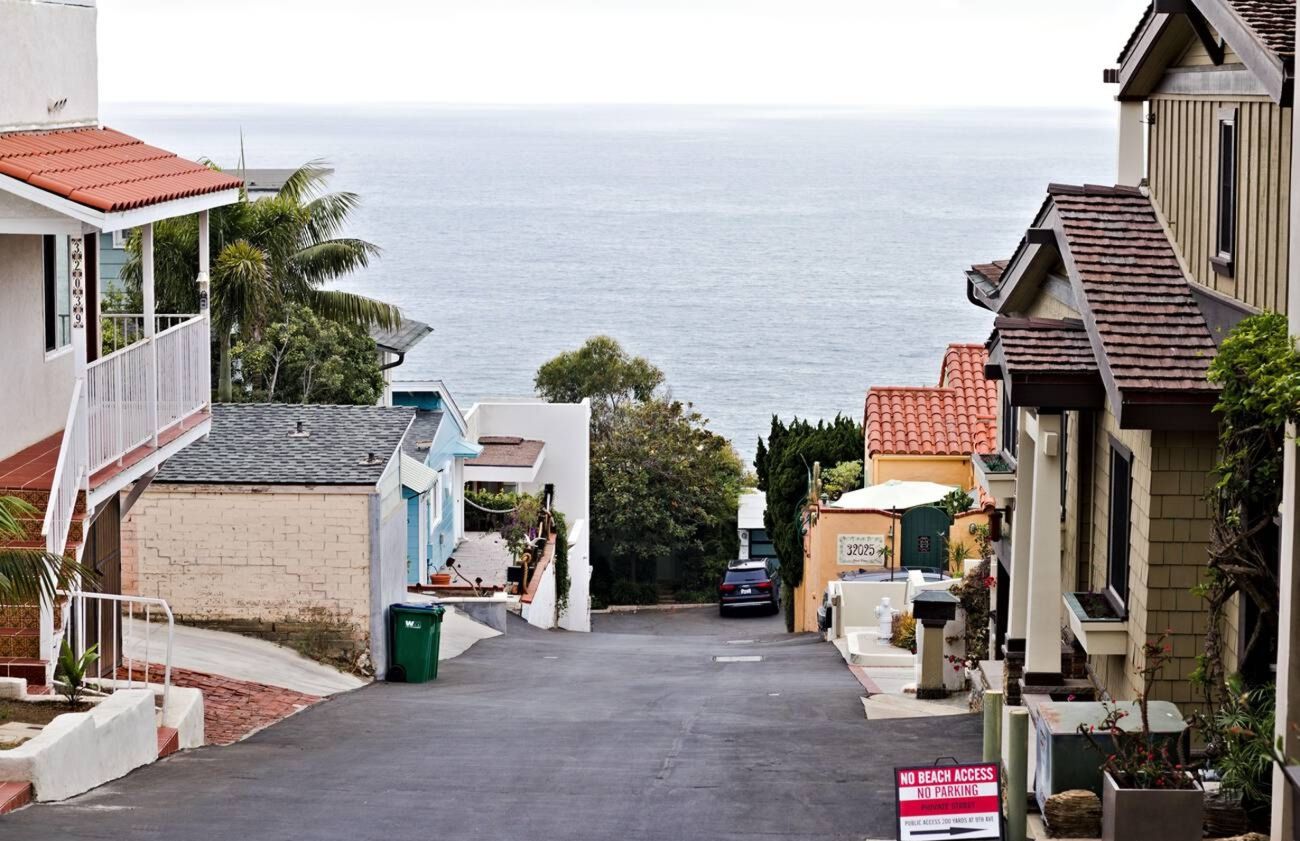
If your last home was built in the 1990s or later in a master-planned community, your instincts about utilities were formed in an environment where everything was new, uniform, and connected to a single municipal system. Laguna Beach is the opposite of uniform. The city grew over a century across canyons, bluffs, and hillside lots, in waves of construction that each followed the standards of their decade. A 1948 cottage, a 1965 post-and-beam, and a 2015 contemporary can sit on the same street, and each carries the utility profile of the era that built it.
That variety is exactly what makes the town interesting, and it is also why a single inspection mindset does not transfer cleanly from a newer market. On an older Laguna home, the systems most likely to cost you are the ones you cannot see, behind plaster and below grade. The good news is that all of them are knowable in advance. The work is not glamorous, but it is the difference between a home that delights you for twenty years and one that nickel-and-dimes you from the first winter.
How to tell what a Laguna Beach home is connected to
Laguna Beach does not have a single utility map, and that trips people up. Sewer service is split. The City of Laguna Beach Water Quality Department provides sewer service to most of the city, while South Coast Water District handles both water and sewer for South Laguna, the stretch running roughly from Nyes Place down to Three Arch Bay. On the water side, the Laguna Beach County Water District serves central and North Laguna. So a home a few miles up the coast from another can sit inside an entirely different set of providers, with different billing, different contacts, and different records.
The good news is that this is knowable before you write an offer. The city publishes sewer district maps organized by area, and you can confirm a specific parcel's status through the city or the relevant district. A seller's disclosure package should also speak to it, and a thorough listing agent will have the answer ready. If the home runs on septic, that fact has to be disclosed, and a buyer should treat any vagueness on the point as a reason to dig deeper rather than a detail to skip.
The terrain that gives these homes their views is the same terrain worth understanding in full, which is why this pairs naturally with my guide to slope and soil on Laguna Beach hillside homes. Water, waste, and ground all move together on a hillside lot, and the smartest buyers look at them as one picture rather than three separate inspections.
Where septic still shows up in Laguna Beach
It is worth being honest about scale here. The large majority of Laguna Beach is sewered, and a buyer should not assume a given home is on septic simply because it is old. Private septic systems persist mostly in pockets, on large-lot parcels along Laguna Canyon and in some hillside and canyon-edge properties where homes sit on acreage well back from a public main. Laguna Beach septic systems are now the exception rather than the rule, but the exceptions tend to be exactly the kind of distinctive, character-rich properties that draw buyers who want privacy, space, and something the rest of the coast cannot offer.
If a home is on septic, that is not a reason to walk. Many well-maintained systems serve a property quietly for decades. It simply changes the due-diligence questions. A buyer is taking on the operation, maintenance, and eventual repair or replacement of that system, along with a routine pumping schedule and the responsibility for what happens if a leach field fails. The cost and feasibility of a future conversion to public sewer also become part of the long-term picture, and that picture is very different on a flat half-acre than it is on a steep canyon lot a long distance from the nearest main.
The inspections that matter on an older Laguna property
A standard home inspection is a starting point, not the finish line, on an older Laguna Beach home. The general inspector is a generalist by design, and the systems most likely to surprise a buyer are specialized. A few targeted inspections are worth the extra cost and the extra few days in your contingency period.
Sewer lateral inspection
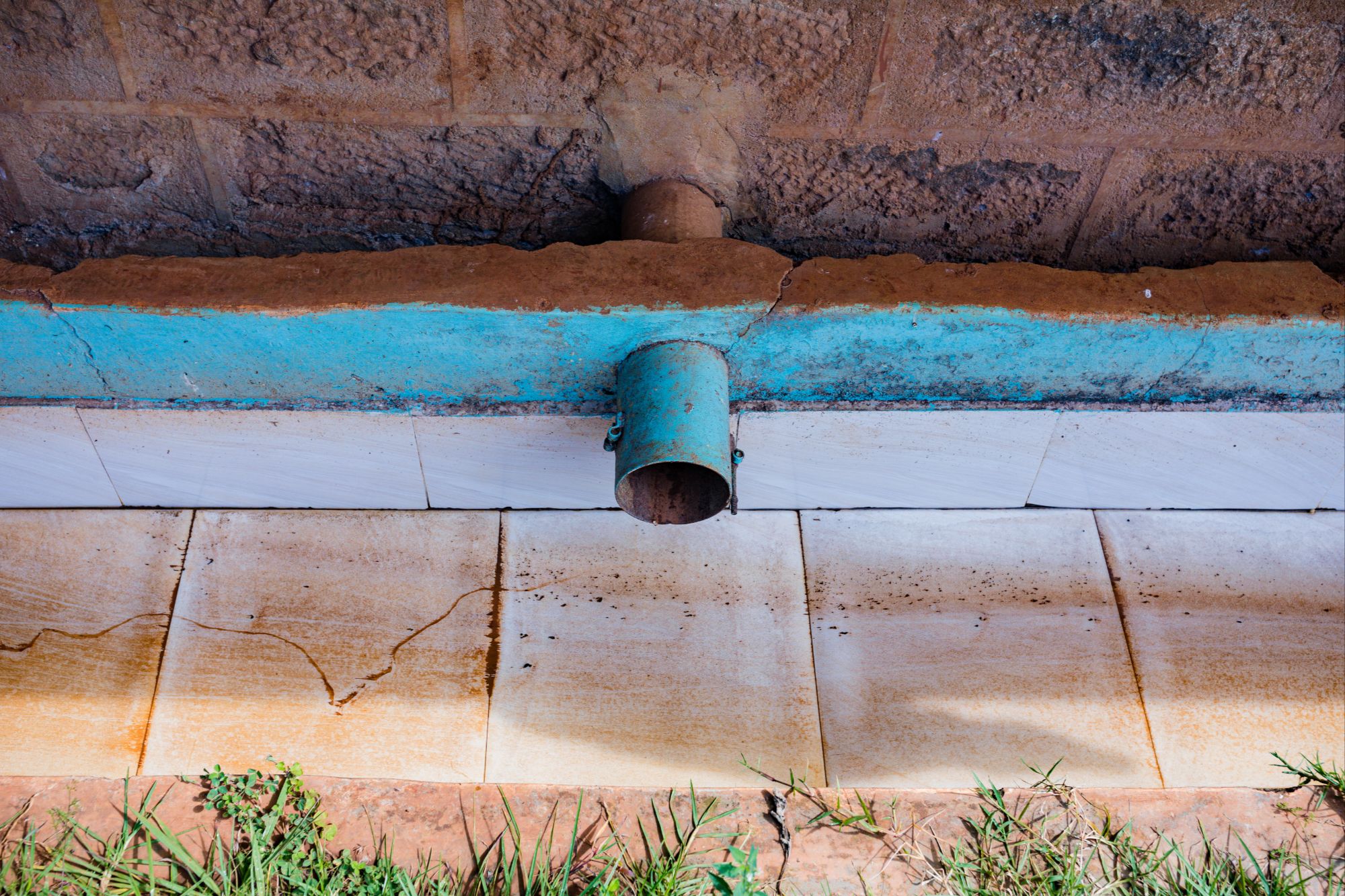
On a sewered home, the single most useful add-on is a video camera inspection of the private sewer lateral, the pipe that runs from the house to the connection with the public main. In Laguna Beach the property owner is responsible for that lateral, and the most common cause of sewage problems in the city is tree roots intruding into private laterals. A camera run reveals roots, cracks, bellies where the line sags and collects waste, and old clay or deteriorated pipe before any of it becomes your problem. On older lots with mature landscaping, this inspection routinely pays for itself.
Septic inspection, if applicable
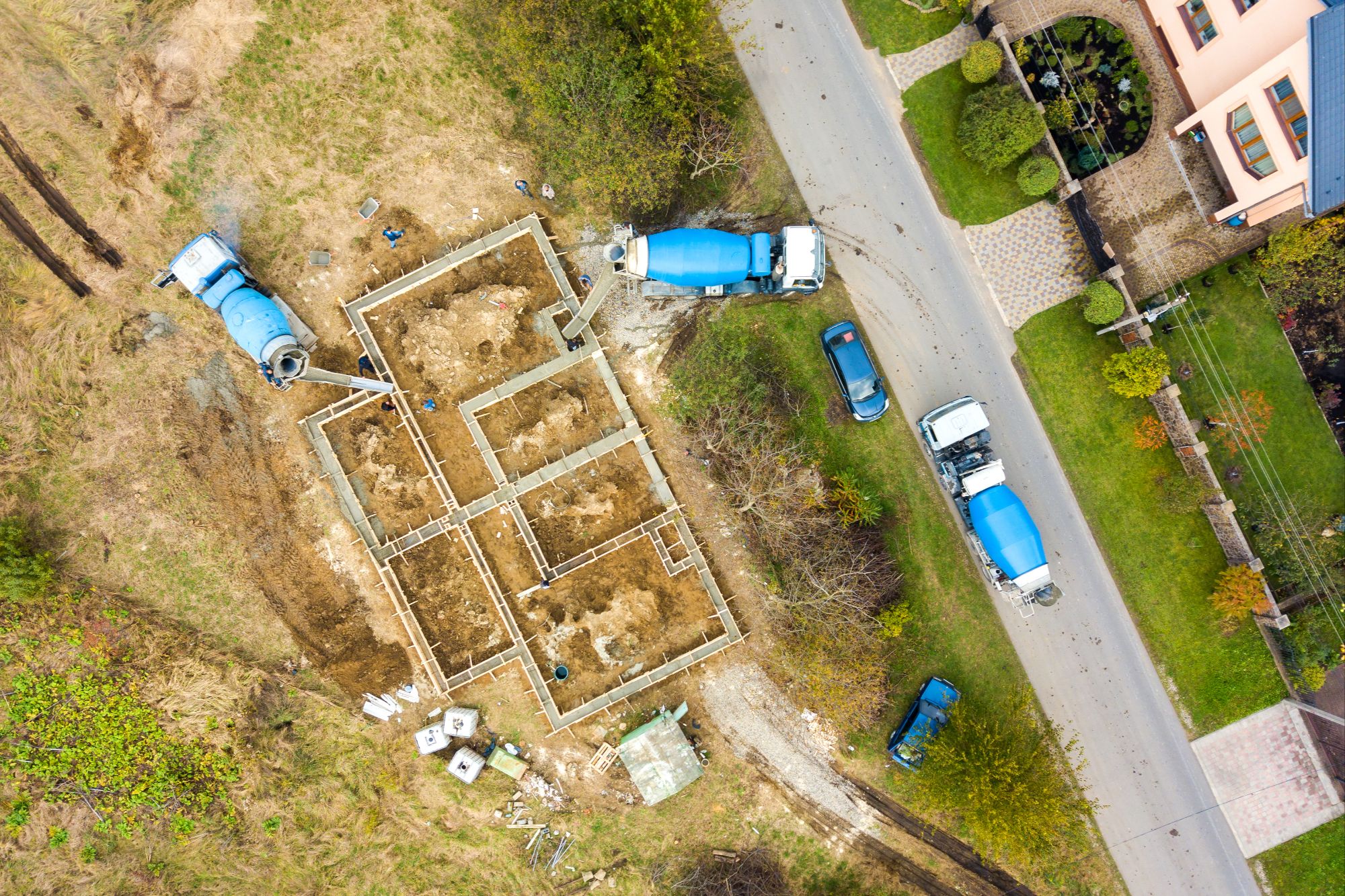
If the home is on septic, a dedicated septic inspection is essential. That means locating and opening the tank, checking the condition of the tank and the leach field, and confirming the system is sized and functioning for the home as it exists today, not as it was when it was installed. A pumping is typically part of the process, and the inspector should document the age, the capacity, and any signs of saturation or failure in the drain field. If the home has been expanded over the years, ask whether the system was ever upgraded to match the added bedrooms and bathrooms.
Supply lines and drain lines
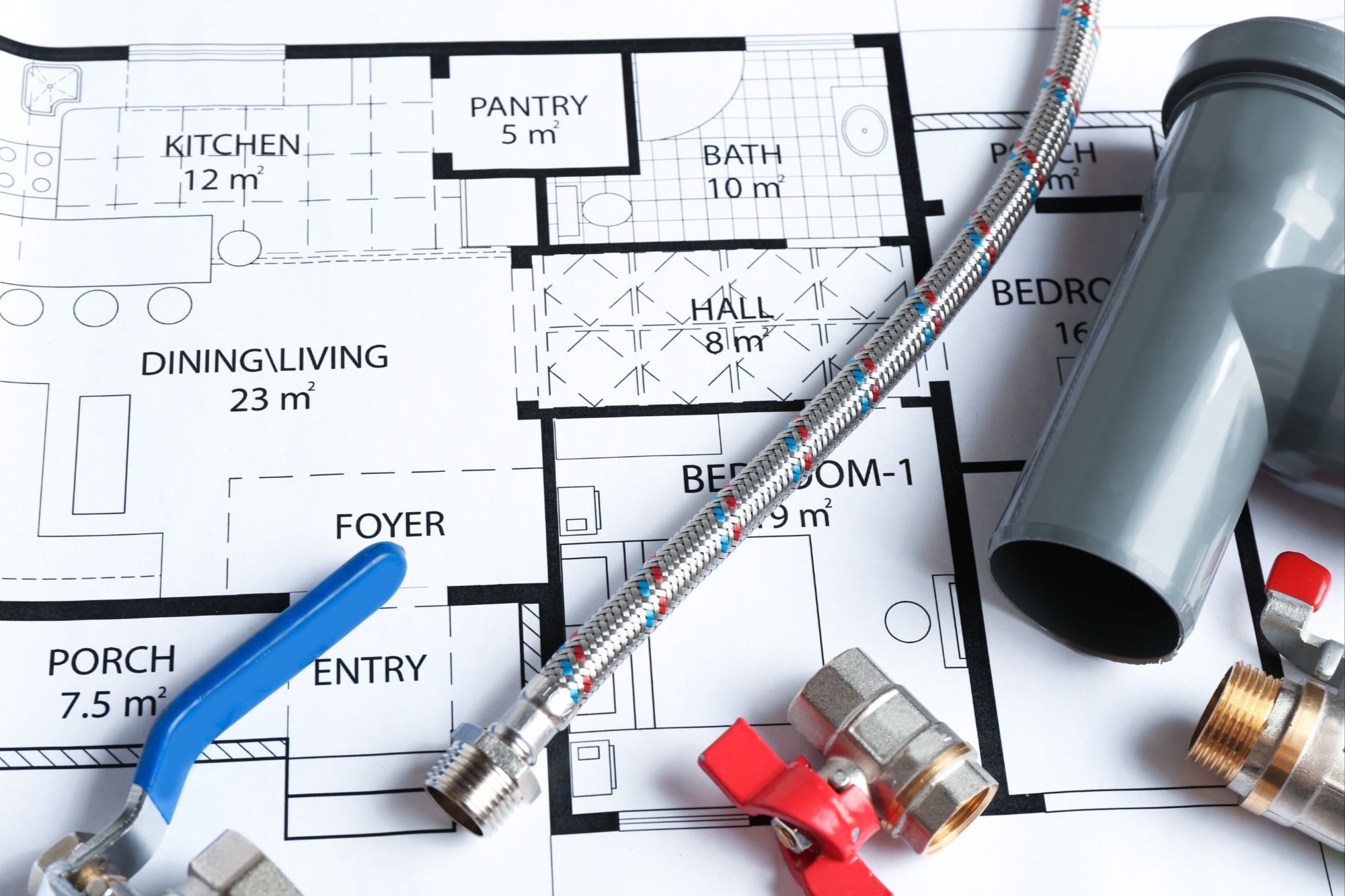
The plumbing inside an older Laguna home tells its own story. Galvanized steel supply lines, common in homes from the middle of the last century, corrode from the inside over the decades and gradually restrict flow, which shows up as weak pressure and discolored water. On the waste side, cast-iron and old clay drain lines degrade with age and can crack or collapse. Knowing which materials a home uses, and how much of the original plumbing has already been replaced, lets you price the difference between a home that is ready and one that needs a phased re-pipe.
Electrical and the panel

Older Laguna homes utilities run beyond water and waste. On the electrical side, an undersized panel can struggle with the demands of a modern household, from induction ranges to electric vehicle charging. The rare survivor of knob-and-tube wiring and the mid-century use of aluminum branch wiring are both reasons to bring in a licensed electrician for a focused look. A panel upgrade is a known and manageable cost, but it is one you want to plan for rather than discover.
Gas, water heater, and the water-service line
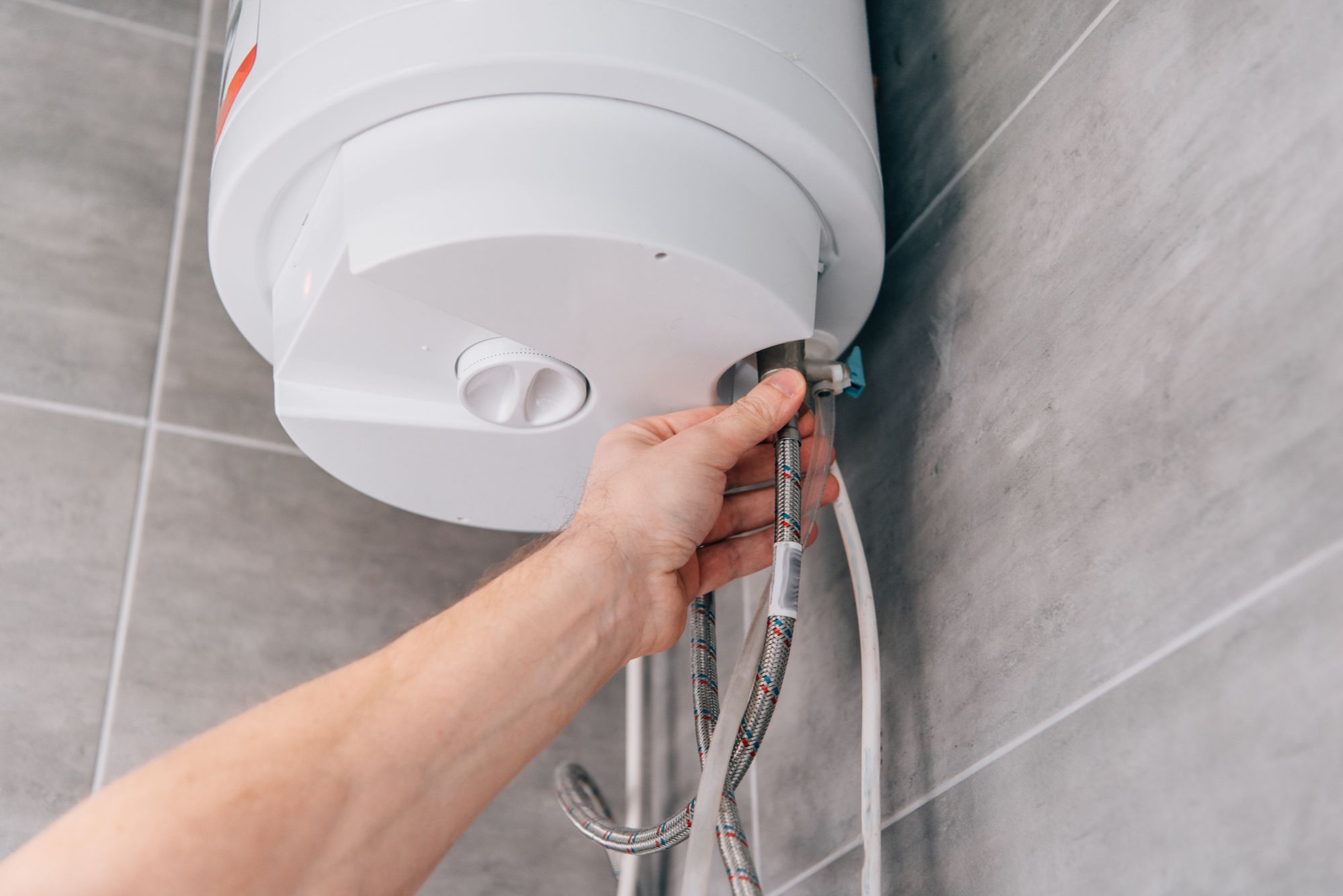
Round out the list with the supporting systems. Old gas lines, an aging or undersized water heater, and the water-service line that brings water from the street to the house all have finite lifespans. On hillside and canyon lots, water pressure itself is worth testing, since elevation and long service runs can leave a home at the top of a street with weaker pressure than a buyer expects. None of these are deal-killers on their own. They are line items, and a clear list of them before you close is the entire point of good diligence.
The coastal factor

One thing newer-market buyers underestimate is what salt air and coastal moisture do over time. The marine environment is hard on metal, and decades of it accelerate corrosion on everything from exposed plumbing to electrical components to fasteners and flashing. A home three blocks from the water in Laguna lives a different physical life than the same home would inland, and an inspector who knows the coast will look at the home through that lens rather than a generic one.
What a sewer conversion can involve
If you are buying a Laguna Beach home on septic, a sewer connection may be possible now or may become required later. Under the city's municipal code, a septic tank or cesspool on a property abutting a street that has a public sewer is generally to be abandoned and filled when the property's lateral is connected, and a septic system cannot be tied into the public sewer. In practice, that means a true conversion, decommissioning the old system and running a new lateral to the main, rather than a simple hookup.
The work itself follows a predictable path. A contractor trenches from the home to the public main, installs a new lateral at the correct grade so waste flows by gravity, connects to the existing house drain, and properly abandons the old tank, usually by pumping it and filling it with a stable material. The job requires a city plumbing permit for the private-property work and a public works permit for anything in the public right-of-way, including the connection itself. On Laguna's steep lots, with long runs and hardscape and landscape to restore afterward, both the physical work and the permitting take longer than a buyer might expect, and the restoration of a mature garden or a stone driveway can rival the cost of the pipe.
| Sewer provider (most of city) | City of Laguna Beach Water Quality Department |
|---|---|
| Sewer & water provider (South Laguna) | South Coast Water District, serving roughly Nyes Place to Three Arch Bay |
| Water provider (central & North Laguna) | Laguna Beach County Water District |
| Who owns the sewer lateral | The property owner, from the home to the connection with the public main |
| Most common sewer issue locally | Tree roots intruding into private laterals |
| Septic pumping (representative) | About $300 to $700, typically every 3 to 5 years |
| Sewer lateral repair or replacement (representative) | Roughly $1,500 to $6,000 for a straightforward job, and $5,000 to $25,000 or more for long or difficult runs on steep lots |
| Septic-to-sewer conversion (representative) | Commonly $5,000 to $15,000 nationally, frequently higher in Laguna given terrain, lateral length, and restoration |
| Permits for a conversion | City plumbing permit plus a public works permit for work in the right-of-way |
Budgeting and planning ahead
The buyers who do best with older Laguna homes treat utilities as a planning exercise rather than an emergency waiting to happen. Once your inspections are in, you have a list, and a list can be sequenced. Some items are genuinely urgent, such as a failing lateral or a saturated leach field. Others are simply a matter of when, such as a panel upgrade you will want before adding electric vehicle charging, or a phased re-pipe you can do one wing at a time during a future remodel.
Building a realistic reserve for these systems in the first few years of ownership turns the unknown into a schedule. It also strengthens your hand during the offer itself, because a buyer who can name the work and roughly price it is in a far better position to negotiate a credit than one who is reacting to a surprise. The home with character is worth owning. It just rewards an owner who plans for it.
The questions that belong in every offer
Good due diligence on a Laguna Beach older home is mostly about asking the right things early, while you still have room to negotiate. A few belong in nearly every offer on a vintage cottage or canyon property.
- Is the home on public sewer or private septic, and which district provides service to this exact parcel?
- If septic, what is the age, capacity, and last service date of the system, and are there records of repairs or failures?
- If sewered, when was the private lateral last camera-inspected, and may I run my own inspection during the contingency period?
- What are the supply-line and drain-line materials, and has any of the original plumbing been replaced?
- What is the age and amperage of the electrical panel, and is there any knob-and-tube or aluminum branch wiring?
- What is the water pressure at the home, especially on a hillside or canyon lot, and how old is the water-service line?
Built into the right contingencies, these questions turn a beautiful but unknown property into one you can buy with confidence. That is the difference between inheriting someone else's deferred maintenance and choosing a home on your own terms. For a fuller sense of how these older homes fit the wider market, my overview of the best Laguna Beach neighborhoods for luxury buyers puts the canyon and cottage stock in context.
Frequently asked questions
Do many Laguna Beach homes still use septic systems?
No. Most of Laguna Beach is on public sewer. Private septic systems are now relatively uncommon and tend to appear on larger canyon and hillside parcels and some older properties set well back from a public main. Status should always be confirmed for the specific address rather than assumed from the age of the home.
Who pays for sewer lateral problems in Laguna Beach?
The property owner is responsible for the private sewer lateral, the line running from the home to the connection with the public sewer main. Root intrusion into that lateral is the most common cause of sewage issues in the city, which is why a camera inspection is worth doing before you buy.
Is a septic system a reason not to buy a Laguna Beach home?
Not on its own. A well-maintained system can serve a home for decades. It does change your due diligence, since you take on maintenance and any future repair or conversion, so the system's condition and the feasibility of a future sewer connection should be understood before closing.
How long does a septic-to-sewer conversion take in Laguna Beach?
The trenching and connection work is often a matter of days, but the permitting and inspection process adds weeks, and Laguna's terrain and landscape restoration can extend the timeline further. Plan in terms of weeks rather than days, and build the schedule with a licensed contractor who has done conversions on local hillside lots.
What older-home utility issues are most common in coastal Laguna Beach?
The recurring ones are aging sewer laterals with root intrusion, galvanized supply lines that restrict flow, cast-iron or clay drain lines, undersized or outdated electrical panels, and accelerated corrosion from salt air. A focused set of inspections beyond the standard home inspection will surface all of these before you close.
The Final Word from Susan Chase
The homes that make Laguna Beach feel like Laguna Beach are often the ones with the most history underground. That history is not something to fear. It is something to understand, and the buyers who do the work up front are the ones who end up loving the house instead of fighting it. Knowing what a property is connected to, what condition it is in, and what it would take to change, is simply part of buying well on this stretch of coast.
Living in Coastal OC is the editorial home of Susan Chase and the Susan Chase Group at Compass, serving buyers, sellers, and relocations across Laguna Beach, Dana Point, Laguna Niguel, San Clemente, and San Juan Capistrano. For private consultations, neighborhood tours, or relocation guidance, contact us at livingincoastaloc.com.

Susan Chase Group | Compass
Dana Point, California
949-370-6950
susan.chase@compass.com
livingincoastaloc.com
🙋🏼♀️ I’m Susan Chase, your South Orange County Realtor, advisor and guide, helping buyers, sellers, and relocations right-size and find a coastal home and lifestyle they’ll love. ❤️
Sources & Data Verification Utility service structure for Laguna Beach, including sewer service from the City of Laguna Beach Water Quality Department, water and sewer service for South Laguna from South Coast Water District, and water service for central and North Laguna from the Laguna Beach County Water District: City of Laguna Beach and South Coast Water District public references. Private sewer lateral ownership and responsibility, root intrusion as the primary local cause of sewage issues, sewer district maps, municipal code provisions on abandoning cesspools and septic tanks, and permit requirements for lateral and conversion work: City of Laguna Beach municipal code and Water Quality Department references. Regional wastewater treatment context for South Orange County: South Orange County Wastewater Authority references. Representative cost ranges for septic pumping, sewer lateral repair and replacement, and septic-to-sewer conversion: aggregated California and national home-services cost data, 2025 to 2026. All cost figures in this article are representative ranges, not quotes for any specific property, and Laguna Beach terrain and restoration costs tend to push real costs toward and beyond the high end of the ranges shown. Utility status, system condition, permit requirements, and costs vary by property and change over time. Confirm the specific parcel's sewer or septic status with the City of Laguna Beach or South Coast Water District, and obtain property-specific inspections and at least three written contractor bids, before making a purchase decision.
Categories
- All Blogs (154)
- 2026 Harbor & Coast Reports (2)
- Coastal OC Lifestyle (16)
- Guides (11)
- Into the Weekend with Susan (1)
- Living in Dana Point (20)
- Living in Laguna Beach (20)
- Living in Laguna Niguel (19)
- Living in San Clemente (18)
- Living in San Juan Capistrano (17)
- Micro-Market Deep Dives (5)
- Relocation (3)
- Right Sizing Strategy (6)
- Strategic Market Intelligence (17)
Recent Posts






REVIEWS