
The Two Calendars of Laguna Beach: Why Cottages on Forest Avenue and Estates on the Bluffs Move on Different Timelines
People talk about "the Laguna Beach market" as if it is one thing. It is not. There are at least two markets here, and they behave so differently they may as well be in different cities.
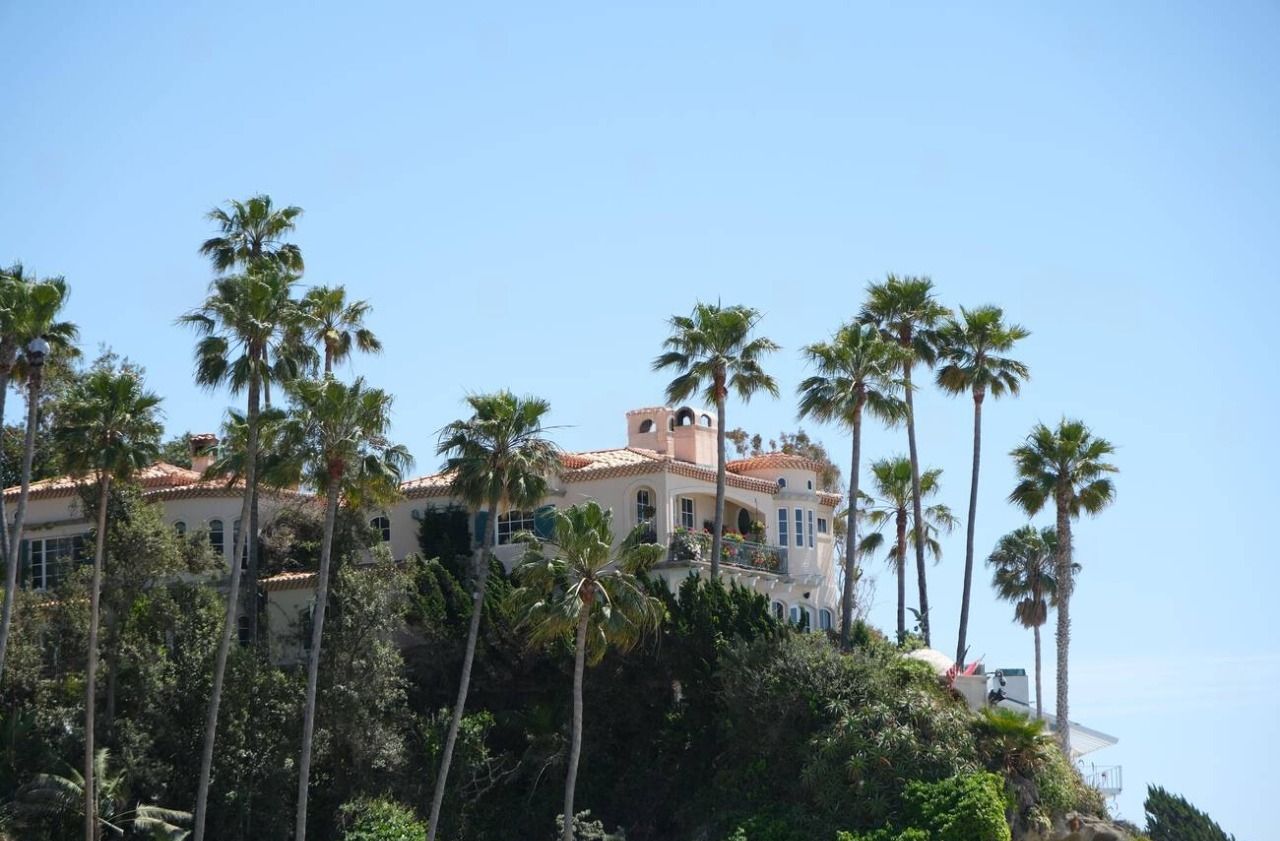
The first is the walkable cottage market clustered around the village, Forest Avenue, and the streets within easy reach of Main Beach and downtown. The second is the hillside estate market that climbs the canyons and bluffs, where the homes are larger, the views are the entire point, and the buyer pool is smaller and more specific.
This study breaks down how each tier actually moves. Days on market, list to sale behavior, and seasonality for each segment, using 2025 patterns, with direct guidance for buyers and sellers operating in either one. If you are pricing, offering, or timing in Laguna Beach, the tier you are in changes the entire strategy.
| Value | What It Tells You |
|---|---|
| 2 Markets | The walkable cottage tier and the hillside estate tier behave independently |
| 2 Clocks | One moves on lifestyle and season, the other on view and the right buyer |
| 1 Zip Code | Same town, two strategies. Using one playbook for both costs money |
What the Two Markets Actually Are
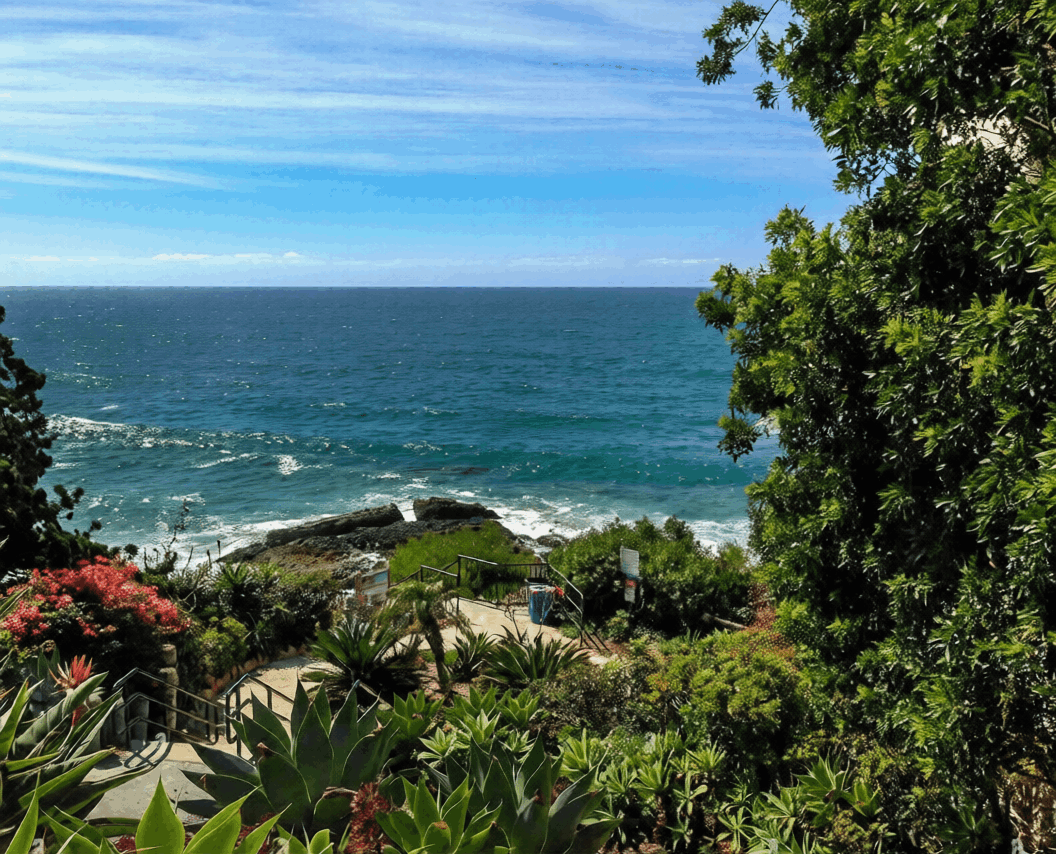
The cottage tier is the Laguna people picture from a postcard. Smaller historic and rebuilt homes on compact lots, walkable to coffee, sand, galleries, and dinner. The product is relatively comparable, the buyer pool is broad, and the thing being sold is a walkable lifestyle.
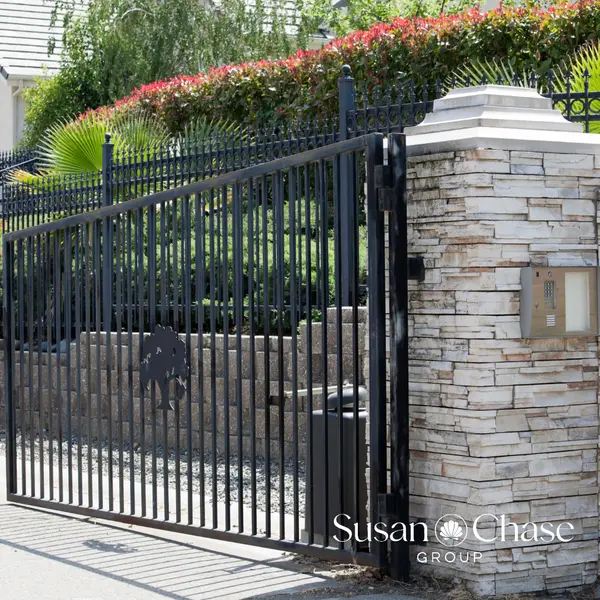
The hillside and bluff estate tier is a different market entirely. Larger architectural homes positioned for ocean, canyon, or whitewater views, often gated, often private, frequently transacting at cash or near cash. The product is not interchangeable, the buyer pool is narrow, and the thing being sold is a singular view and a statement. Same town. Two completely different clocks.
The Cottage Calendar Is Fast and Lifestyle Driven
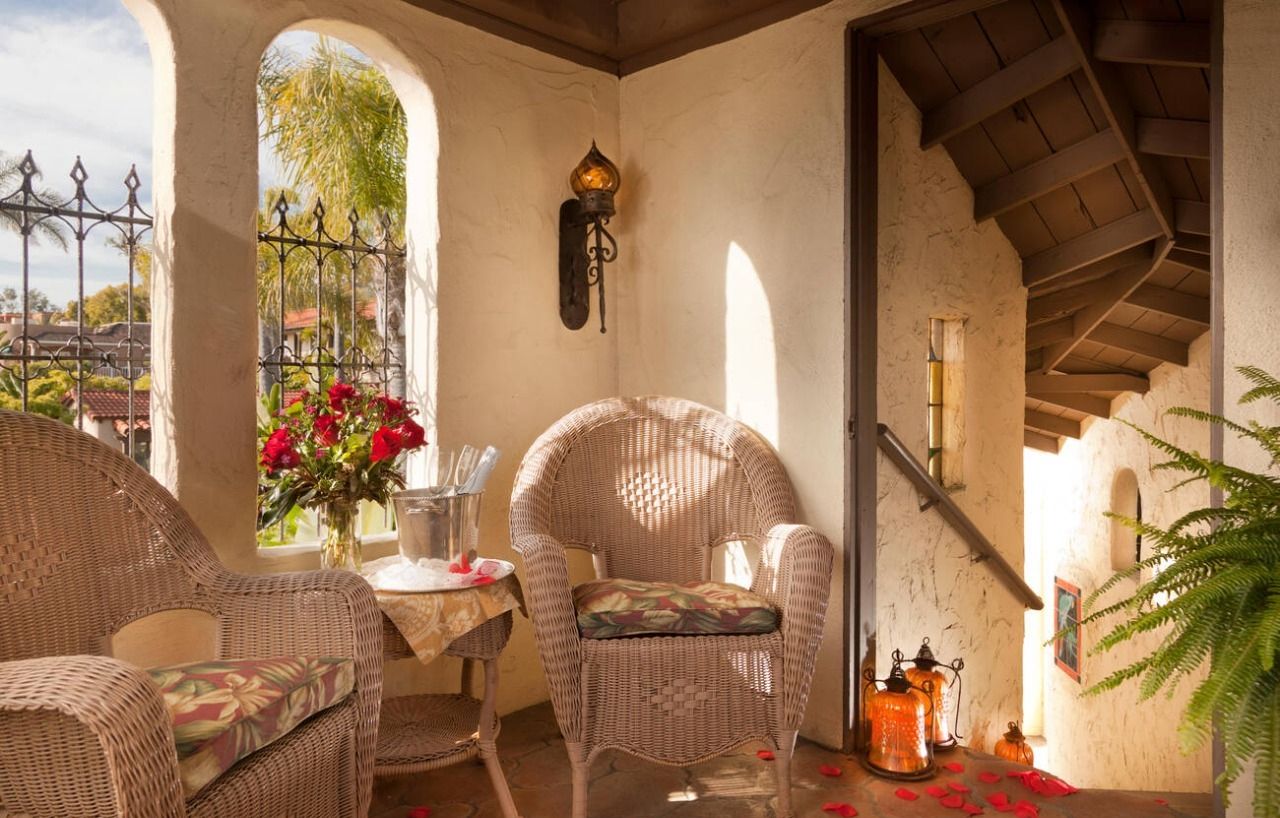
The cottage buyer is buying a way of life. Walk to coffee, walk to the sand, walk to dinner, never move the car on a Saturday. That buyer tends to be emotional, motivated, and often working against a deadline tied to a school year or a relocation date.
Inventory in the walkable core is scarce and turns relatively quickly. Well presented cottages move at the short end of the Laguna range, and the strongest listings in the best walkable locations can draw competitive activity inside the spring and summer window. List to sale ratios in this tier tend to sit close to asking, and tip above it when location and condition line up. Seasonality is pronounced, because a lifestyle is easiest to sell when that lifestyle is on display. The cottage market peaks with the weather.
The Hillside Calendar Is Slow and View Driven
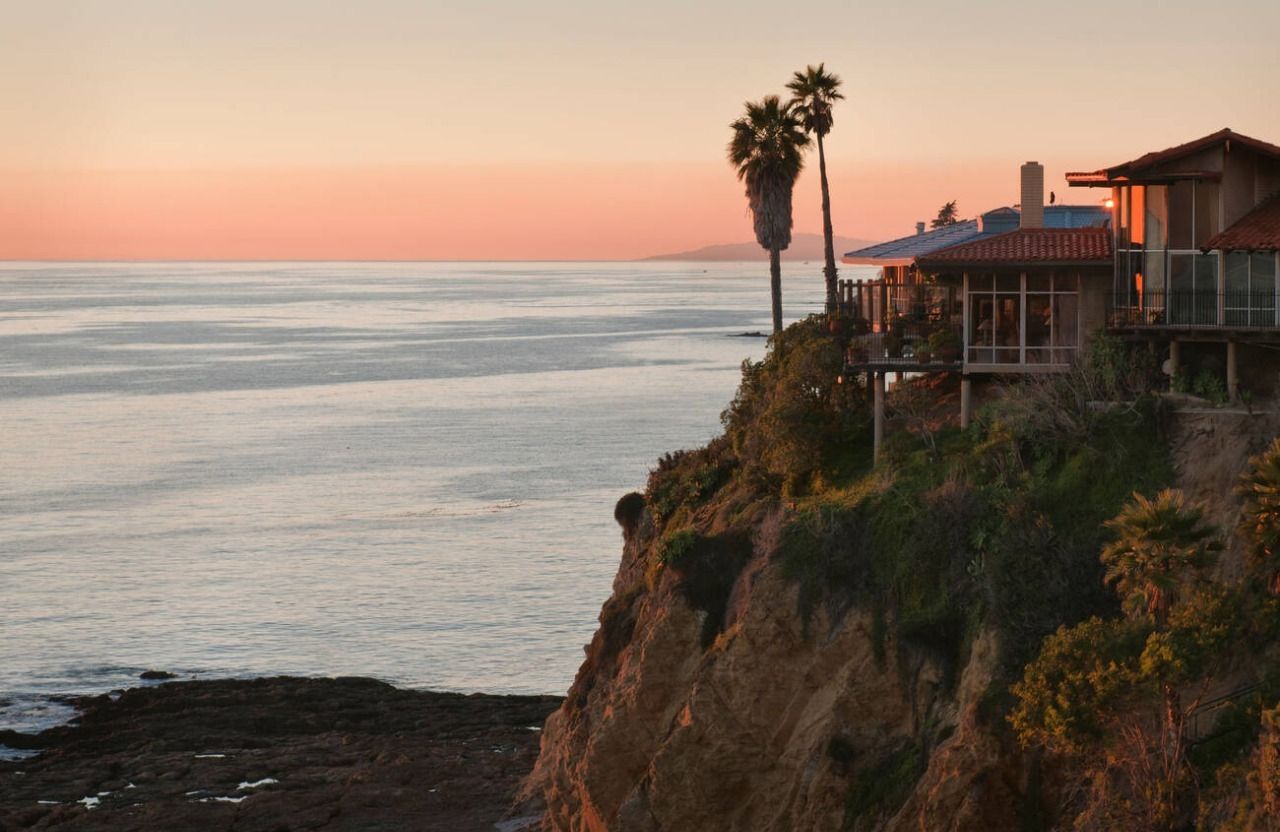
The hillside estate is a patient market. Buyers are fewer in number, frequently paying cash or close to it, and buying a specific view, a specific privacy level, and a specific architectural statement. One estate's ocean view and another's canyon outlook are not substitutes, so the right buyer for a given home may simply take time to arrive.
Days on market in this tier run substantially longer than in the cottage tier, and that length is normal rather than a warning sign. List to sale ratios show a wider spread, with more distance between asking and closing, because pricing a singular view property is inherently less precise than pricing a cottage with comparable sales down the street. Seasonality is muted. These sales are driven far more by the arrival of the right buyer than by the month on the calendar.
"A cottage sells the walk. An estate sells the view. Those two things do not move on the same clock, and pricing them as if they do is the most common mistake in this town."
Susan Chase, Living in Coastal OC
The Two Tiers, Side by Side
The figures below are representative 2025 patterns for each segment, framed as ranges rather than precise points. They describe how each tier behaves, not a guaranteed outcome for a specific home. Confirm current numbers with a tier specific market analysis before pricing or offering.
| Factor | Cottage Tier (Walkable Core) | Hillside / Bluff Estate Tier |
|---|---|---|
| What Sells | A walkable lifestyle. Coffee, sand, and dinner on foot | A singular view and an architectural statement |
| Days on Market | Short by Laguna standards. Strong listings move quickly in season | Substantially longer. A long runway is normal here |
| List to Sale | Close to asking, sometimes above when location and condition align | Wider spread. More negotiation between list and close |
| Seasonality | Pronounced. The market peaks with the weather | Muted. Driven by the buyer's arrival, not the month |
| Buyer Pool | Broad, motivated, often on a deadline | Narrow, patient, frequently cash or near cash |
| Pricing Precision | Higher. Comparable sales exist nearby | Lower. Each view property is close to one of a kind |
Why the Two Calendars Diverge
Three forces explain almost all of the difference, and they reinforce each other.
The first is comparability. Cottages have comps. A walkable two bedroom near the village can be priced against several recent sales within blocks. An estate built around one specific whitewater view has few true peers, which makes pricing an estimate rather than a calculation and lengthens the path to a deal.
The second is buyer pool size. The cottage pool is broad and motivated, which compresses time on market and firms up pricing. The estate pool is narrow and patient, which stretches time on market and widens negotiation, because the seller is waiting for one of a small number of buyers rather than the next of many.
The third is what is actually being sold. A walkable lifestyle shows best in season, so the cottage market is tied to the calendar. A singular view sells whenever the buyer who wants exactly that view appears, which can be any month, so the estate market is tied to people rather than seasons.
What This Means If You Are Buying
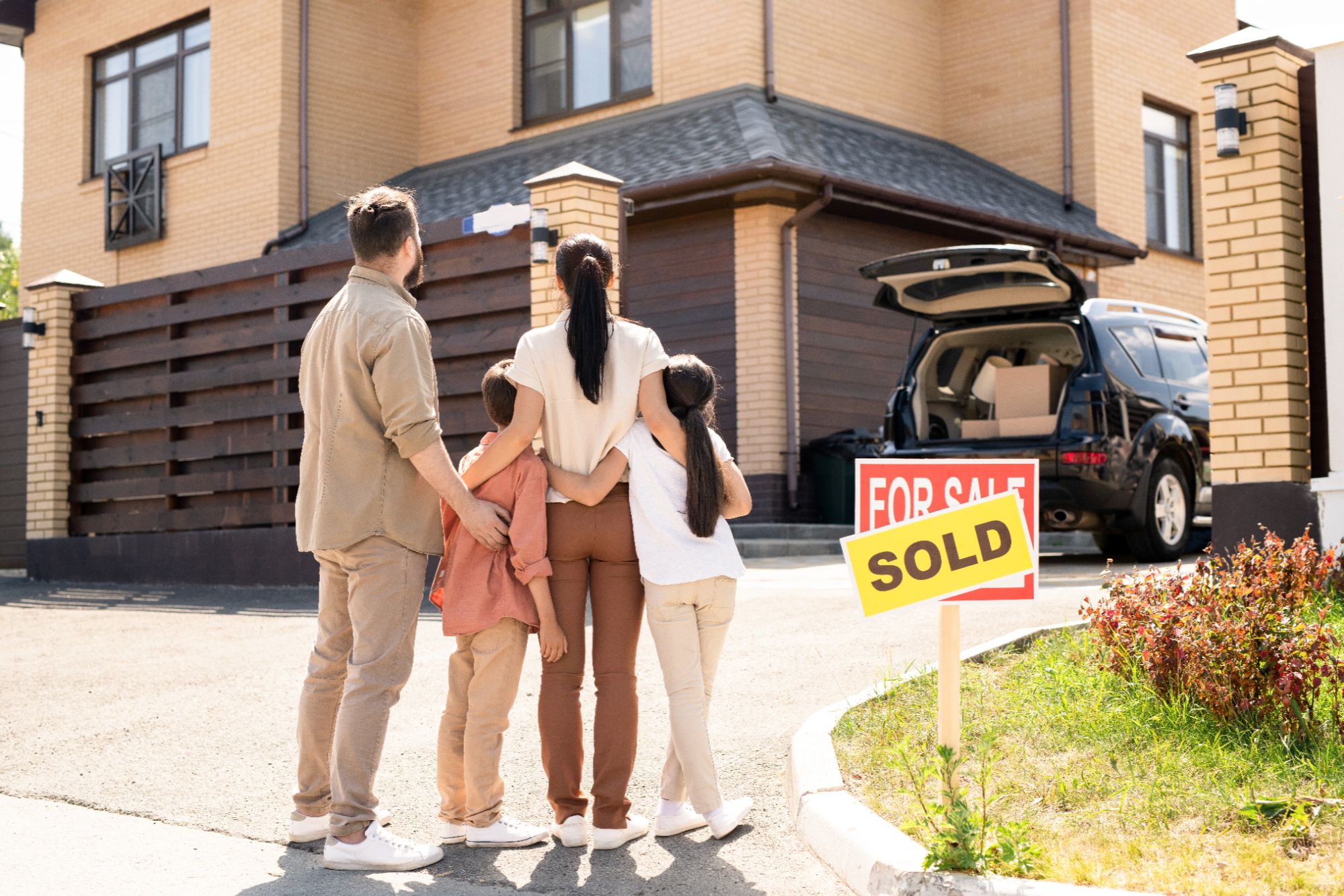
If you are buying in the cottage tier, expect to move at market speed. Have financing fully prepared, see new listings quickly, and accept that the best walkable homes in season may draw competition. Your leverage is highest in the off season, when the lifestyle photographs less easily and motivated sellers remain.
If you are buying in the hillside estate tier, patience is your advantage, not your enemy. A long days on market figure is negotiating room rather than a defect, and the uniqueness of each property cuts both ways. The home you want has few substitutes, but you may also be the only buyer who wants exactly that view this year. Use that.
What This Means If You Are Selling

If you are selling a cottage, time the season, present the home immaculately, and price tightly to the comparable sales. This tier rewards precision and punishes overreach, because the broad buyer pool knows the comps as well as you do.
If you are selling a hillside estate, price realistically against a thin comp set and prepare for a longer runway from the start. The most expensive mistake in this tier is pricing to a cottage tier timeline, watching the home sit, and then chasing the market down with late reductions that signal weakness. Plan the runway before you list, not after.
Frequently Asked Questions
| Category | Description |
|---|---|
| Cottage tier | Fast, lifestyle driven, pronounced seasonality |
| Estate tier | Slow, view driven, muted seasonality |
| Days on market | Short for cottages, substantially longer for estates |
| List to sale | Tight for cottages, wider spread for estates |
| One playbook | Applying it to both tiers is the costly mistake |
Categories
- All Blogs (161)
- 2026 Harbor & Coast Reports (3)
- Coastal OC Lifestyle (17)
- Guides (17)
- Into the Weekend with Susan (1)
- Living in Dana Point (20)
- Living in Laguna Beach (20)
- Living in Laguna Niguel (19)
- Living in San Clemente (18)
- Living in San Juan Capistrano (17)
- Micro-Market Deep Dives (5)
- Relocation (3)
- Right Sizing Strategy (6)
- Strategic Market Intelligence (17)
Recent Posts






REVIEWS