
Owning a Historic Adobe in San Juan Capistrano: A Buyer's Guide to Restoration, Codes, and Resale
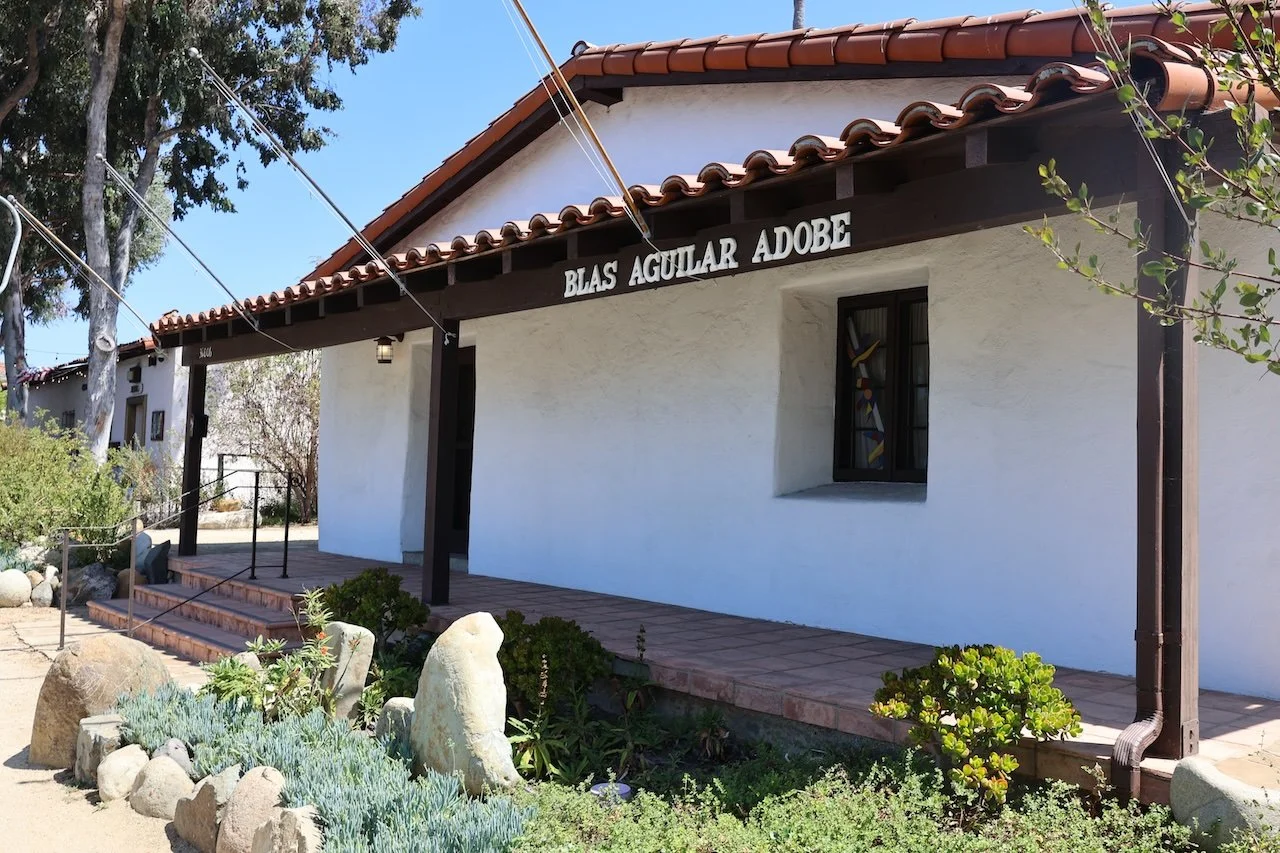
There is a category of buyers who arrive in San Juan Capistrano with a specific dream. A whitewashed adobe wall. A wood lintel above a low door. Jasmine spilling over a courtyard gate. The feeling of standing inside two hundred years of California history that you can call home.
The dream is not wrong. San Juan Capistrano has more genuine historic adobe and early California period homes than any city in coastal Orange County, and a handful are actually for sale at any given moment. The Los Rios District alone is one of the oldest continuously occupied residential neighborhoods in California, and individual historic homes exist on private parcels throughout the older parts of the city. For the wider view of the city's neighborhoods and lifestyle, start with our San Juan Capistrano communities guide.
But owning a San Juan Capistrano historic adobe home is not the same purchase as owning a Mediterranean-inspired home built in 2005 that looks similar from the street. It is governed by a different set of rules, taxed under a different statute, restored under different codes, and resold to a different pool of buyers. Most relocating buyers arrive without knowing any of this, fall in love with the look, and then discover the framework only after they are committed to the property.
This piece is that framework. The designations, the Mills Act tax benefits, the restoration codes, the construction realities of adobe itself, and how these homes actually resell. None of it disqualifies the purchase. All of it is worth understanding before you write an offer.
| Value | What It Tells You |
|---|---|
| 1776 | Mission San Juan Capistrano founded. The city is among the oldest in California |
| Mills Act | The state law that can reduce property tax on a designated historic home by roughly 40 to 60 percent |
| Stewardship | The category of ownership a historic adobe asks of its buyer, not standard renovation |
A Brief History of Adobe in San Juan Capistrano
The city is one of the oldest continuously occupied European settlements in California. Mission San Juan Capistrano was founded in 1776, the same year as the United States, and the surrounding pueblo grew alongside it. The Los Rios District, the cluster of homes along Los Rios Street directly behind the train depot, is widely recognized as the oldest continuously occupied residential neighborhood in the state. Several adobe homes there date to the 1790s, and the oldest structures predate California statehood by decades.
Beyond Los Rios, scattered historic adobes and Spanish colonial homes exist on private parcels throughout the older central part of the city. Some are formally designated. Some are not. Some are protected by district overlays. Some are protected by individual landmark status. Some are simply old homes built in a sympathetic style that carry no preservation framework at all. Understanding which category a specific property falls into is the foundation of everything else in this guide, because the category determines which rules apply.
What Counts as a Historic Adobe Home
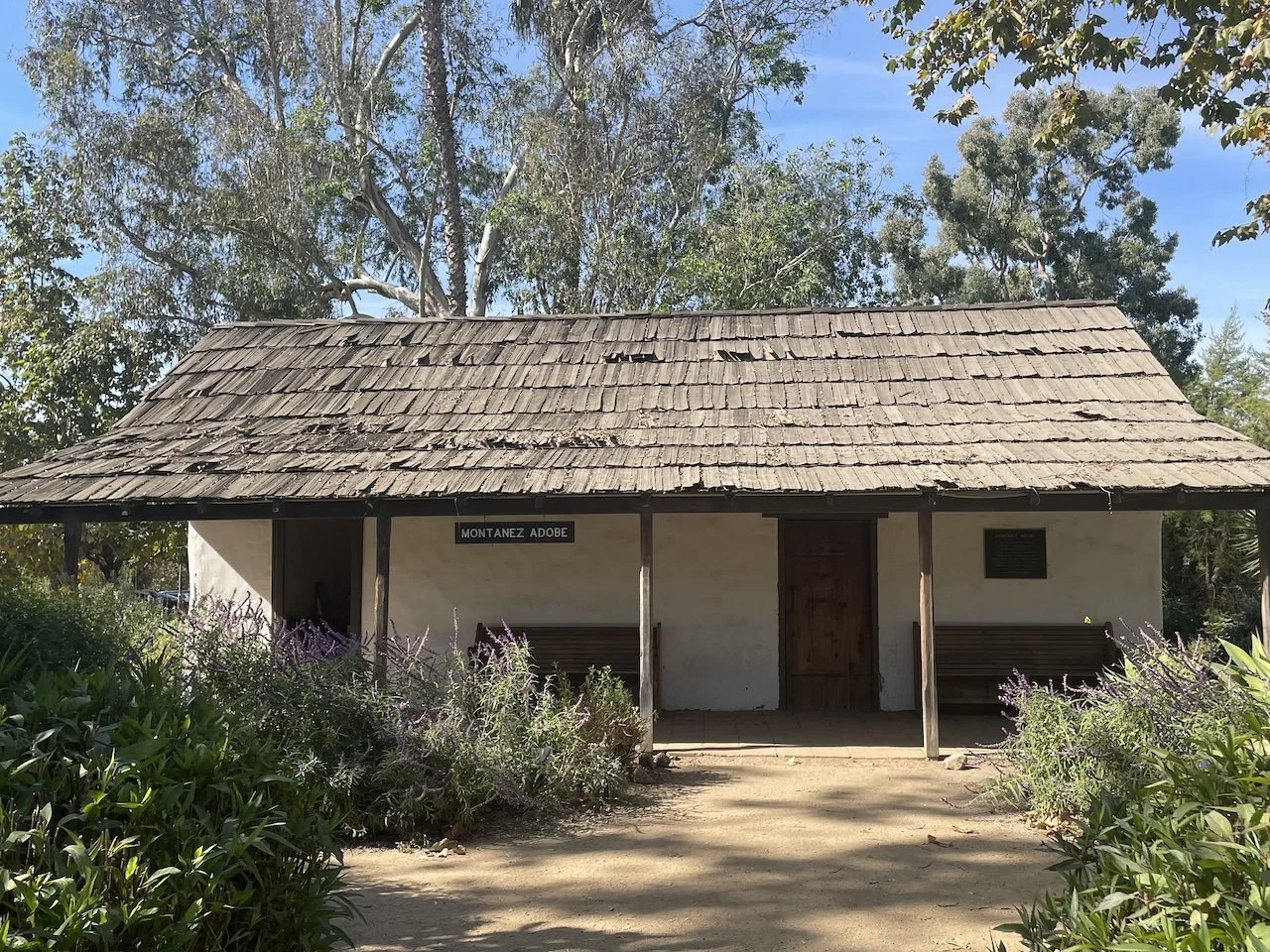
image from: orangecountyinsiders.com/blog/historic-adobes
Historic status comes in layers, and the layers matter because they determine which restoration rules, tax benefits, and resale dynamics apply to a given parcel. Knowing what you are actually buying is the difference between a confident offer and an expensive surprise.
| Designation Type | What It Means | What It Requires |
|---|---|---|
| Local Landmark | The property is recognized by the City of San Juan Capistrano as a cultural resource of local significance | Cultural Heritage Commission review for exterior changes and additions |
| Contributing Property in a District | The parcel sits inside the Los Rios Historic District or another designated overlay | District guidelines plus individual review for material changes |
| California Register Listing | Recognized at the state level as a historic resource | Mills Act eligibility, state-level review where applicable |
| National Register Listing | Recognized at the federal level as a historic resource | Additional federal review applies to federally funded work |
| Non-Designated Older Home | Old or adobe styled, but carries no formal designation | Standard residential rules apply. No preservation requirements and no Mills Act benefit |
The Los Rios District and Beyond
The Los Rios Historic District is the most famous and most regulated of the city's historic areas, and the most likely place a relocating buyer first encounters genuine adobe architecture. The district is small, walkable, and unusually intact, with adobe and wood frame homes lining a tree-shaded street that ends at the train depot. The homes are not museum pieces. People live in them, work from them, and pass them down. They also operate under one of the strictest preservation overlays in coastal Orange County.
Buying within Los Rios means accepting the district's design review framework in addition to any individual landmark status the property may have. Material changes, exterior alterations, color, fencing, signage, and additions all run through review. The flip side is that the district itself protects the value of every property inside it. The cluster of historic homes maintains the visual integrity that makes any single home there desirable.
Beyond Los Rios, individual historic San Juan Capistrano homes exist on parcels throughout the older central part of the city. Some are immediately recognizable. Others sit behind newer additions or remodels and require a closer look to identify. The buyer pool for these scattered properties is smaller than for the district homes. Still, the rules are sometimes more flexible because the surrounding properties are not under district overlay protection. Pricing on these isolated historic parcels tends to be more variable, and Mills Act eligibility depends on individual designation status rather than district membership.
The San Juan Capistrano Mills Act, Explained
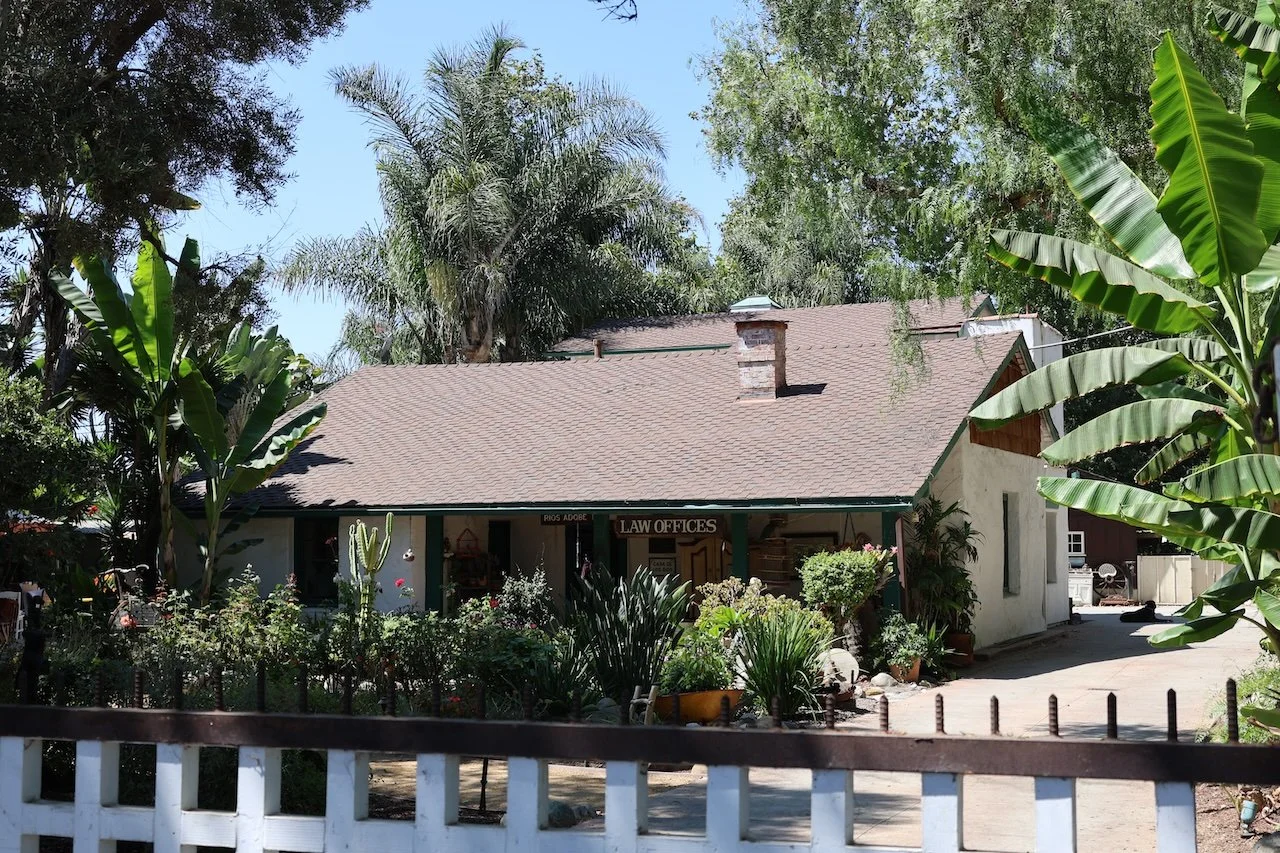
image from: orangecountyinsiders.com/blog/historic-adobes
The California Mills Act is a 1972 state law that allows local governments to reduce property tax assessments on designated historic properties in exchange for a recorded preservation maintenance contract. It is the single most important financial mechanism in this category, and it is the one most relocating buyers do not know about until escrow. In San Juan Capistrano, eligibility starts with the City's Inventory of Historic and Cultural Landmarks. Only buildings on that inventory can apply.
Here is how the San Juan Capistrano Mills Act actually works in practice.
| Element | How It Works |
|---|---|
| The Contract | A ten-year preservation maintenance agreement recorded against the property title |
| Tax Effect | Property tax assessment is recalculated under a Mills Act income capitalization formula, often reducing taxes by roughly 40 to 60 percent |
| Your Obligation | Maintain the historic character, restore deferred items on an agreed schedule, and allow periodic city inspections |
| Renewal | The contract auto-renews annually unless either the owner or the city files a notice of non-renewal |
| Transferability | The Mills Act contract transfers with the property to subsequent owners, which is part of why it shapes resale |
| City Discretion | Mills Act contracts are not automatic. The City of San Juan Capistrano approves them on a case-by-case basis |
The economics matter. On a multimillion-dollar San Juan Capistrano historic adobe home, a Mills Act assessment can reduce annual property taxes by tens of thousands of dollars. That is real money over a ten-year contract, and it can fund the higher restoration and maintenance costs that historic homes inherently carry. The flip side is the recorded preservation contract. You are taking on an enforceable obligation, and the city has standing to require compliance with the maintenance plan you agreed to.
What You Can and Cannot Modernize
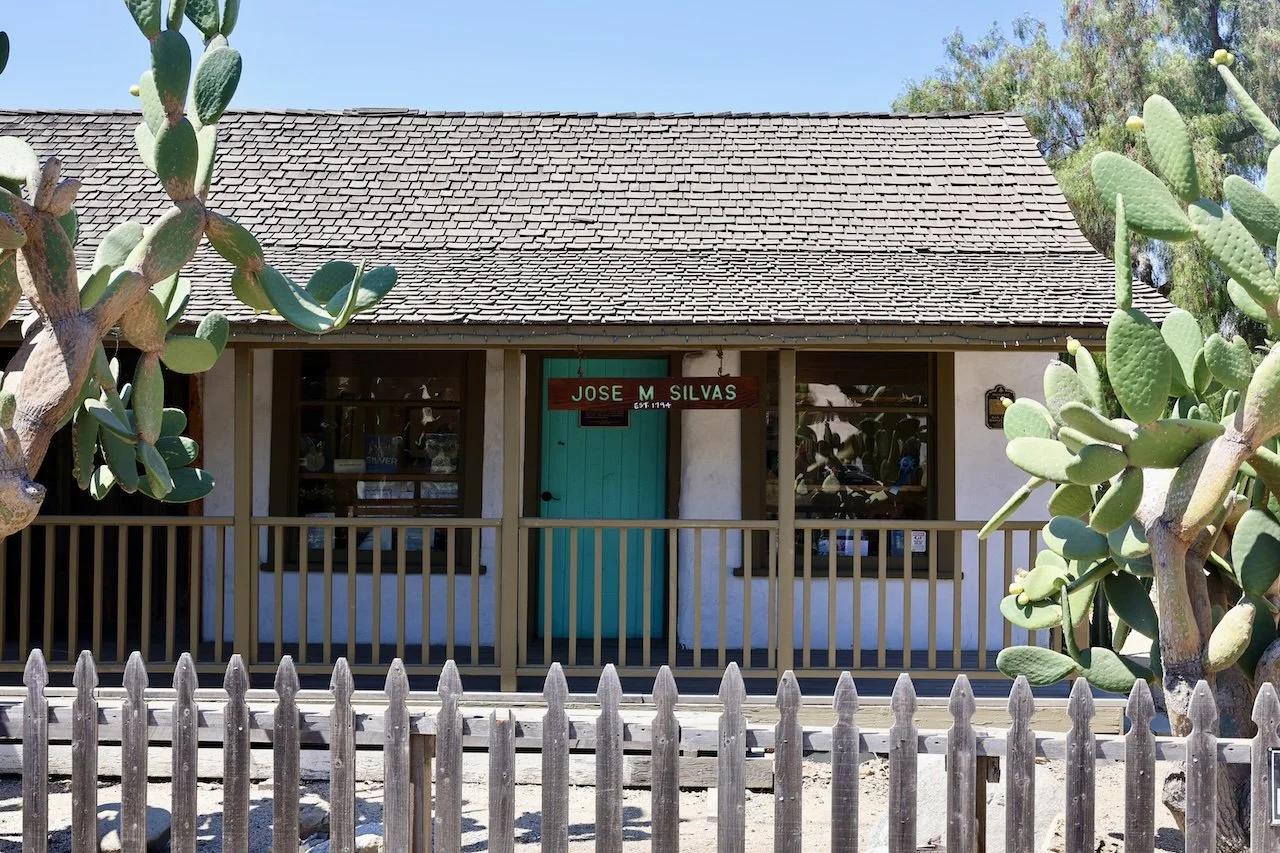
image from: orangecountyinsiders.com/blog/historic-adobes
This is the area where the most expensive misunderstandings happen. Buyers walk in assuming the rules are about exterior appearance, then discover the rules are about envelope integrity, character defining features, and the legal line between restoration and alteration. The distinction is technical and it is enforced.
| Action | Permitting Status |
|---|---|
| Generally Allowed Without Review | Interior cosmetic updates, kitchen and bath finishes that do not touch character features, non-visible mechanical upgrades, and paint in some non-landmark cases |
| Requires Cultural Heritage Commission Review | Window replacements, exterior color on landmarked buildings, additions, accessory structures, fences, gates, and exterior lighting |
| Generally Prohibited | Removal of character-defining Adobe walls, replacement of historic windows with incompatible materials, modern cement stucco over original lime plaster, and demolition of contributing features |
| Adobe Specific Rules | Original lime plaster must be repaired with traditional lime plaster, not modern cement stucco. The Cultural Heritage Commission knows the difference on inspection |
| Hidden System Upgrades | HVAC, electrical, plumbing, and seismic retrofit work is generally allowed when executed without damaging character-defining features |
| Additions and Accessory Buildings | Subject to design review for compatibility with the historic structure. Approval is possible but not automatic, and the design must be subordinate to the original |
Adobe Construction Realities
Adobe is a living material. It is made from earth, water, and organic binders, walled up in thick sections typically two to three feet across, and finished traditionally with lime plaster that allows the wall to breathe. It is also unlike anything in modern residential construction, which means standard inspections and standard remodeling assumptions do not apply.
Three construction realities matter most for buyers, and skipping any of them during diligence is how people end up with seven-figure repair bills they did not budget for.
Adobe must breathe. Modern cement-based stucco traps moisture inside the wall, where it slowly destroys the adobe core from the inside out. This is the most common and most expensive failure mode in remodeled historic adobes, and it is invisible from the exterior until the damage is severe. Always inspect the exterior finish material with someone who knows the difference between traditional lime plaster and modern cement stucco. A previous owner's well-intentioned restucco can be a six-figure problem.
Adobe is sensitive to moisture from below. Foundations, drainage, and grading around a historic adobe matter more than they do on a modern wood frame home. Standing water, poor drainage, or rising damp damage the wall base, and the repairs are structural rather than cosmetic. Inspect the grading and any sign of moisture intrusion at the wall base carefully, especially after rainy seasons.
Adobe behaves differently in earthquakes than a wood frame. Thick adobe walls carry significant mass and limited tensile strength, which is the opposite of the engineering assumptions used in modern California residential construction. Specialized seismic retrofits exist for historic adobes, including hidden steel bracing, foundation reinforcement, and engineered tie systems, but the engineering is specialized, and the work is not inexpensive. Check the seismic retrofit status of any historic adobe you are seriously considering, and confirm any retrofit was permitted and completed by a qualified specialist.
How Historic Adobes Actually Resell
The buyer pool for a San Juan Capistrano historic adobe is narrow by definition. It is the buyer with the emotional pull, the patience to learn the rules, the financial profile to absorb the maintenance costs, and the willingness to live with the limitations the modernization codes impose. That is a much smaller group than the pool for a standard single family home, and the market behaves accordingly.
Days on market run substantially longer than for comparable non-historic homes in the city. Comparable sales are scarce, which means appraisals can be unpredictable and pricing is more art than calculation. Buyers who understand the Mills Act benefit, and who weigh it appropriately in their offer math, are usually the ones who end up writing successful offers. Sellers who price purely on square footage and ignore the historic premium and the Mills Act benefit tend to underprice these homes by meaningful margins.
For long-term holders, San Juan Capistrano historic homes have shown strong appreciation in coastal Orange County over the past two decades, driven by genuine, structural scarcity. The supply is fixed. They cannot be built. New construction can imitate, but cannot be, an early California period adobe. That scarcity has supported value through softer market cycles better than most segments of the coastal market.
Due Diligence Before You Buy
The diligence list for a historic adobe is longer than for a modern home, and most of it requires specialists rather than generalists. Use the items below during your contingency period. The cost of doing it right is modest compared to the cost of discovering any of these issues after closing.
| Topic | What to Verify |
|---|---|
| Designation Status | The specific designation type or types in effect, and the rules each one imposes |
| Mills Act Status | Whether the property carries an active Mills Act contract, the renewal status, and the maintenance schedule it commits to |
| Cultural Heritage Commission History | Past approvals, denials, and any open code or compliance issues in the property file |
| Exterior Finish Material | Confirm traditional lime plaster versus modern cement stucco, with a specialist |
| Seismic Retrofit | Whether the structure has been seismically upgraded, when, by whom, and under what permits |
| Moisture and Drainage | Grading, foundation condition, and any sign of moisture intrusion at the wall base |
| Title and Easements | Recorded preservation easements separate from the Mills Act contract, plus any other historic restrictions |
| Insurance Availability | Carriers willing to insure historic adobe construction, and the premiums and exclusions they impose |
| Specialist Inspection | Inspector with documented experience in California historic adobe construction, not a generalist |
| Restoration Cost Estimate | A preliminary scope and cost estimate from a contractor experienced with adobe restoration, for any deferred work |
Frequently Asked Questions
Quick Facts
| Category | Description |
|---|---|
| City founded | 1776, alongside Mission San Juan Capistrano. Among the oldest cities in California |
| Los Rios District | Widely recognized as the oldest continuously occupied residential street in California |
| Mills Act savings | Typical property tax reduction of roughly 40 to 60 percent for designated historic homes |
| Contract term | Mills Act contracts are ten-year terms with annual auto-renewal, recorded against the title |
| Critical material | Original lime plaster, not modern cement stucco. The wrong finish destroys the adobe |
| Buyer pool | Narrow by definition. Longer days on market, scarcer comps, Mills Act aware buyers win |
| Supply trajectory | Fixed and shrinking. Cannot be built, only preserved. Underpins long-term appreciation |
A Final Word from Susan Chase
A historic adobe in San Juan Capistrano is not a starter home and it is not for everyone. For the right buyer, it is one of the most rewarding pieces of real estate in coastal California, and the Mills Act makes the financial math work in ways most buyers never discover until they own one. For the wrong buyer, it is a permanent constraint that fights every renovation instinct they brought to the purchase.
If you are weighing a San Juan Capistrano historic adobe, I am happy to walk you through the specific designation status of any property, the Mills Act path, the realistic restoration envelope, and what is genuinely feasible versus what looks possible from the listing photos. The information is the cheapest part of this decision, and the most valuable. You can reach me at the contact below whenever you are ready to talk.

Susan Chase Group | Compass
Dana Point, California
949-370-6950
susan.chase@compass.com
livingincoastaloc.com
🙋🏼♀️ I’m Susan Chase, your South Orange County Realtor, advisor and guide, helping buyers, sellers, and relocations right-size and find a coastal home and lifestyle they’ll love. ❤️
Sources & Data Verification Mission San Juan Capistrano founding date of 1776, the city's status among the oldest continuously occupied settlements in California, and the Los Rios District as the oldest continuously occupied residential neighborhood in the state: City of San Juan Capistrano historical materials; Mission San Juan Capistrano historical references; California State Historic Preservation Office. Local landmark designation, Cultural Heritage Commission review authority, and the City of San Juan Capistrano historic preservation framework: City of San Juan Capistrano Municipal Code historic preservation provisions; Cultural Heritage Commission resources and meeting records. California Mills Act (California Government Code sections 50280 to 50290) preservation maintenance contract structure, ten year term and annual auto renewal mechanics, income capitalization assessment formula, and city level approval discretion: California State Office of Historic Preservation Mills Act program references; California Government Code; City of San Juan Capistrano Mills Act program materials. Mills Act typical property tax reduction range of roughly 40 to 60 percent: California State Office of Historic Preservation guidance and aggregated municipal program data. California Register of Historical Resources and National Register of Historic Places listing criteria and review implications: California Office of Historic Preservation; National Park Service National Register program. Adobe construction principles, lime plaster versus cement stucco compatibility, moisture management, and historic adobe seismic retrofit techniques: National Park Service Preservation Briefs on adobe and historic masonry; California Office of Historic Preservation technical references; Getty Conservation Institute adobe research. Coastal Orange County historic home market behavior, narrow buyer pool dynamics, and long term appreciation patterns for designated historic properties: California Regional Multiple Listing Service (CRMLS) historic property transactions, 2015 to 2026; OC REALTORS local market reports; Susan Chase Group transaction records. All designations, tax savings ranges, restoration rules, and market patterns described in this article reflect general framework and directional patterns, not guaranteed outcomes for any specific property. Designation status, Mills Act eligibility, and Cultural Heritage Commission decisions are property specific and subject to change. Confirm current designation status, current Mills Act contract status, and current restoration permitting standards directly with the City of San Juan Capistrano and a licensed local agent before making a purchase decision.
Categories
- All Blogs (161)
- 2026 Harbor & Coast Reports (3)
- Coastal OC Lifestyle (17)
- Guides (17)
- Into the Weekend with Susan (1)
- Living in Dana Point (20)
- Living in Laguna Beach (20)
- Living in Laguna Niguel (19)
- Living in San Clemente (18)
- Living in San Juan Capistrano (17)
- Micro-Market Deep Dives (5)
- Relocation (3)
- Right Sizing Strategy (6)
- Strategic Market Intelligence (17)
Recent Posts






REVIEWS