
What It Is Like to Live in Dana Point, California
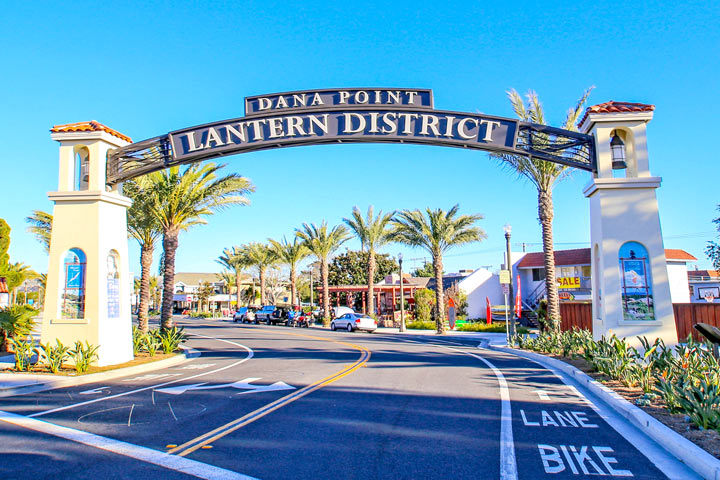
What is it like to live in Dana Point, California?
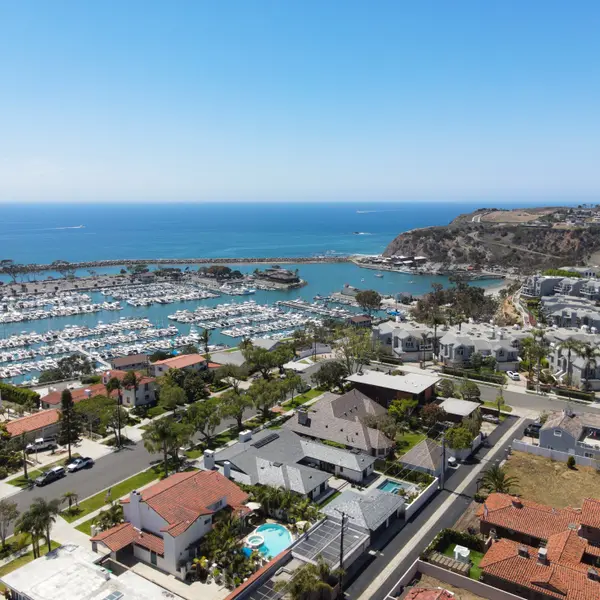
Living in Dana Point means a working harbor, walkable Lantern District evenings, and gated oceanfront enclaves, all inside a compact coastal city between Laguna Beach and San Clemente that behaves like a beach town every single day.
Dana Point lives smaller and more grounded than its reputation suggests, and that is the first thing I tell buyers who arrive expecting a resort and find a real town instead.
I have lived and worked in Dana Point for more than thirty years, long enough to watch it grow from a quiet coastal secret into one of the most sought-after addresses in Southern California without losing the thing that made it worth choosing. What people do not expect is how usable it feels day to day. The harbor is not a postcard you drive past; it is where residents keep boats, meet for coffee, and walk on a Sunday. The Lantern District above it is a downtown you can actually stroll. And the neighborhoods behind both, from the gated oceanfront enclaves to the bluff pockets of Capistrano Beach, each live a little differently. My guide to the best neighborhoods in Dana Point walks those pockets street by street, and this overview is the wider picture that sits above it.
What follows is the honest shape of living in Dana Point, the geography that defines it, the neighborhoods that make it up, what an ordinary day feels like, the harbor transformation reshaping the waterfront right now, and how you actually move around town. Read it as orientation, not as a substitute for standing on the headlands at four in the afternoon and deciding whether this is your place.
- Dana Point is a compact coastal city of roughly 33,000 residents on the southern Orange County coast, organized around Dana Point Harbor and the walkable Lantern District.
- Its coastal enclaves include guard-gated Niguel Shores, the Monarch Bay and Monarch Beach communities, The Strand and Ritz Cove, and the more relaxed bluffs of Capistrano Beach.
- Daily life runs on the water and the outdoors, with Doheny, Salt Creek, and Strand beaches, harbor recreation, and a strollable downtown all within the city.
- The roughly $600 million Dana Point Harbor revitalization is actively rebuilding the marina, the commercial core, and the hotels, and the harbor stays open throughout.
- Dana Point suits buyers who want a genuine beach-town rhythm every day rather than a weekend version of it.
Where is Dana Point, and what defines it?
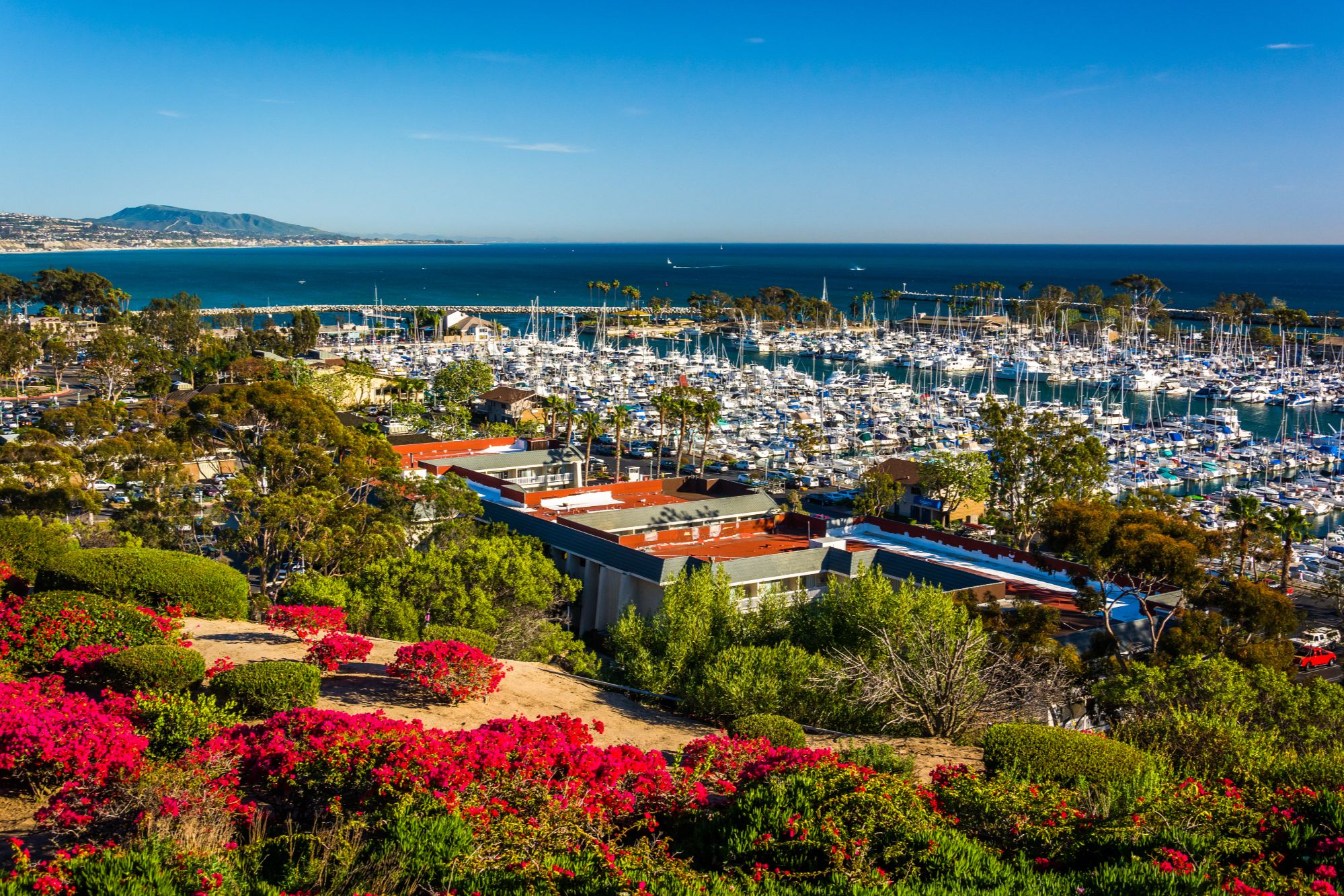
Dana Point is a small coastal city at the southern end of Orange County, defined by its harbor, its bluff-top headlands, and a compact, walkable town core.
It sits along Pacific Coast Highway with Interstate 5 just inland, positioned between Laguna Beach to the north and San Clemente and San Juan Capistrano to the south. That location gives residents a genuine beach-town setting while keeping the wider region, its airports, medical corridors, and business districts, within reasonable reach. The city is home to roughly 33,000 people, which is part of why it keeps a small-town texture even at a coastal price point.
The geography is the identity here. The harbor and the headlands anchor the south end of town, the Lantern District rises on the bluff above the water, and the residential neighborhoods spread north and east from there. A few naming points matter for orientation. Niguel Shores, Monarch Bay, and Monarch Beach all belong to Dana Point, not to neighboring Laguna Niguel, and Capistrano Beach, sometimes called Capo Beach, is a Dana Point neighborhood rather than part of San Clemente. Getting those boundaries right is the difference between searching the right market and wasting weeks in the wrong one.
What are Dana Point's neighborhoods like?
Dana Point's neighborhoods range from walkable harbor-side living to guard-gated oceanfront estates to relaxed bluff-top pockets with more room.
At the coastal top of the market sit the gated communities. Niguel Shores is a guard-gated community on the ocean side of the highway with private beach access and a large community center. The Monarch Bay and Monarch Beach enclaves carry the region's most prestigious oceanfront addresses, with beach-club culture and resort-adjacent living. The Strand and Ritz Cove offer gated, custom-home privacy at the luxury end of the coast.
Closer to the water's daily life is the harbor and Lantern District core, where boutique condos and townhomes put you within walking distance of dining, the boardwalk, and the marina. Inland and to the south, Capistrano Beach trades walk-to-downtown proximity for bluff-top space and a more relaxed pace, which appeals to buyers who want the coast without the density. The point I make to every buyer is that two homes a few minutes apart can offer completely different lives here, so the neighborhood decision matters as much as the home itself. My guide to the best neighborhoods in Dana Point breaks down the trade-offs in detail.
What is daily life like in Dana Point?
Daily life in Dana Point is outdoor, unhurried, and organized around the water rather than around tourism.
The weather does the heavy lifting. A mild marine climate holds through the year, which turns outdoor time into a default rather than a summer event. Mornings tend to start on the sand or a coastal trail. Doheny State Beach, Salt Creek Beach, and Strand Beach give the city genuine range, from easy family shoreline to surf to blufftop coves. The harbor adds a second layer of life on the water, whale watching, sport fishing, sailing, and the Catalina crossing among them.
Evenings gravitate to the Lantern District, the walkable downtown of restaurants, small shops, and cultural events above the harbor. Residents lean on regular places and neighborhood familiarity more than on destination scenes, with the wider dining of Laguna Beach a short drive when they want it. Farmers markets, harbor events, and the town's steady calendar of gatherings give the year a social rhythm without being frantic. What newcomers notice first is what is missing: the intensity and congestion of larger metros, and what they gain, in their own words, is time.
What is happening at Dana Point Harbor?
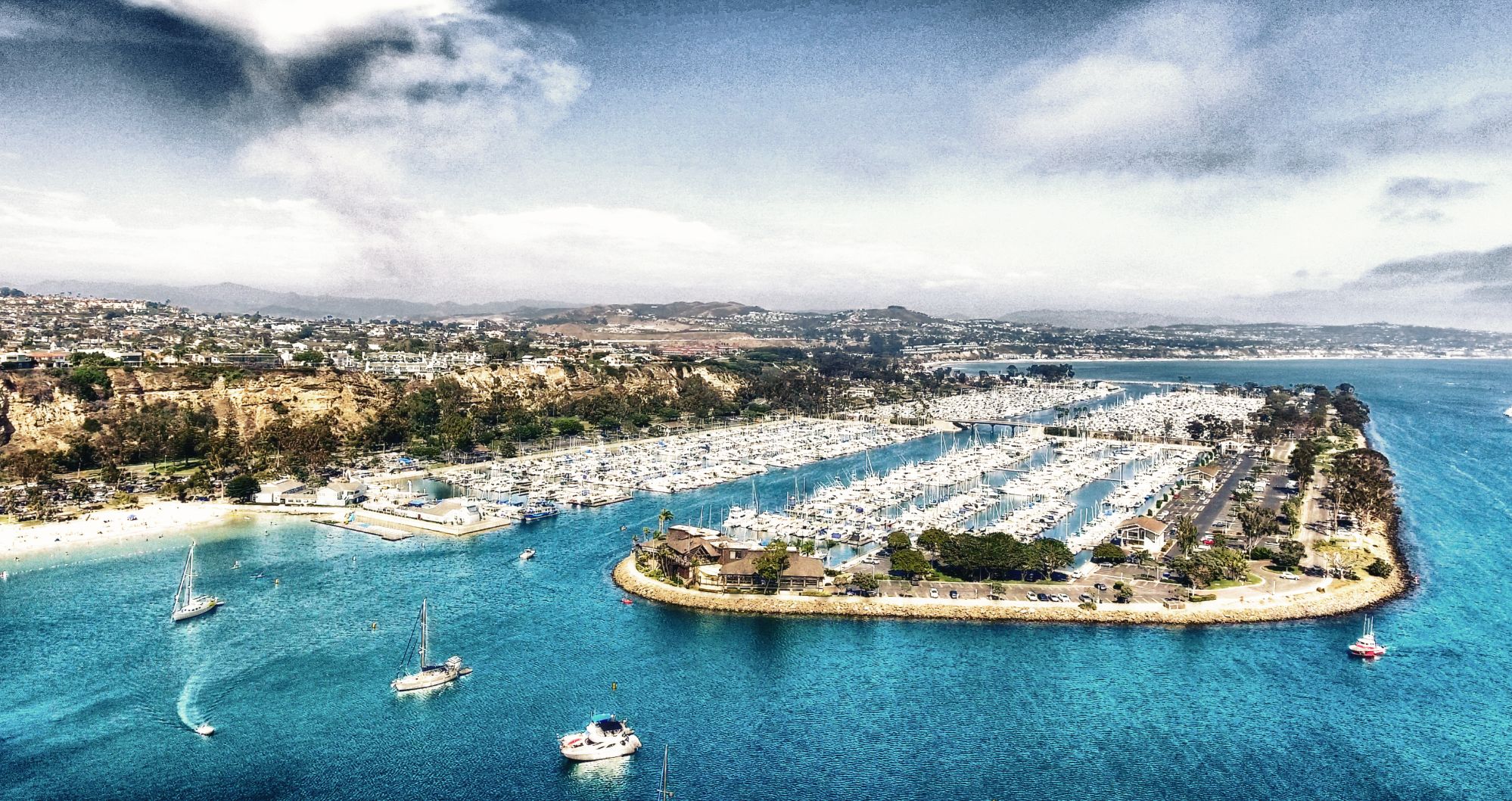
Dana Point Harbor is in the middle of a roughly $600 million revitalization led by Dana Point Harbor Partners, rebuilding the marina, the commercial core, and the hotels in overlapping phases while staying open the entire time.
This is the single biggest change to the city in a generation, and it matters to value across Dana Point, not only at the water's edge. The marina rebuild is past two-thirds complete and moving through its final phases, with full completion targeted for 2027. The commercial core, the reimagined Mariner's Village of waterfront restaurants and retail, entered active demolition and construction in 2026 and is targeted for delivery in the same window. Two new hotels will replace the former Marina Inn, a full-service waterfront property called The Doheny and a more relaxed, affordably positioned option called The Salt Haus, which is slated to be Orange County's first Marriott Moxy.
For anyone weighing a move, the useful frame is timing rather than hype. Properties nearest the harbor are still being valued against what the waterfront is today, not what it becomes when the work is finished. I walk through the phase-by-phase picture in my Dana Point Harbor revitalization update. Construction timelines shift, so treat any completion date as a moving target rather than a promise.
How do you get around Dana Point?
Getting around Dana Point means Pacific Coast Highway and Interstate 5 for the region, a local trolley for the coast, and genuine walkability in the harbor and Lantern District.
Most residents drive for daily errands, and the two main arteries, Pacific Coast Highway along the coast and Interstate 5 just inland, connect the city to the rest of South Orange County and the airports beyond it. Within town, the seasonal Dana Point Trolley links the Lantern District, the harbor, Salt Creek Beach, and Doheny, which makes car-light coastal days realistic in the warmer months. If walkability is a priority, the Lantern District and harbor area are where you find it, close enough to live day to day on foot, which is part of why those addresses hold steady demand. Farther-flung and gated neighborhoods lean more car-dependent, a trade many buyers happily make for space and privacy.
Who does Dana Point fit best?

Dana Point fits buyers who want an authentic coastal-town life every day, from right-sizers and second-home owners to relocating professionals.
Over decades here, I have watched consistent patterns in who thrives. Buyers who want to live within walking distance of the water gravitate to the harbor and Lantern District. Those who want gated coastal privacy and amenities look to Niguel Shores, Monarch Bay, and Monarch Beach. Right-sizers value the lock-and-leave ease of certain communities, and second-home buyers from Los Angeles, the Bay Area, and out of state are drawn by the harbor and the lifestyle. The common thread is a preference for a place that lives like a beach town in practice, not just on a weekend visit.
When you are ready to turn that into a plan, my guide on moving to Dana Point from Los Angeles or the Bay Area answers the questions relocating buyers ask most, and if a purchase is on the horizon, what it actually takes to buy here lays out the process end to end.
The mistake I watch buyers make is falling for Dana Point in the abstract. You do not live in the harbor view. You live on one street, in one neighborhood, at one pace. The work is matching that specific texture to how you actually spend a Tuesday.
| Area | Character | Known for | Best fit for |
|---|---|---|---|
| Harbor & Lantern District | Walkable coastal town core | Harbor life, dining, the boardwalk | Buyers who want to live car-light by the water |
| Niguel Shores | Guard-gated oceanfront community | Private beach access, community center | Buyers who want gated coastal living with amenities |
| Monarch Bay & Monarch Beach | Prestige oceanfront enclaves | Beach-club culture, resort-adjacent living | Buyers at the top of the coastal market |
| The Strand & Ritz Cove | Gated custom-home enclaves | Oceanfront estates and privacy | Buyers at the luxury end of the coast |
| Capistrano Beach | Relaxed bluff-top pocket | Space and coastal proximity with more room | Buyers who want the coast without the density |
Frequently asked questions
Is Dana Point a good place to live?
For buyers who want a genuine coastal-town lifestyle with harbor access, walkable evenings, and a mild year-round climate, Dana Point is one of the most rewarding places to land in South Orange County. Its compact size keeps a small-town feel even as demand stays strong.
What is Dana Point known for?
Dana Point is known for Dana Point Harbor, its headlands and beaches, and the walkable Lantern District above the water. The harbor is currently in the middle of a major revitalization that is reshaping the waterfront.
Is Dana Point walkable?
The harbor and Lantern District are the walkable heart of the city, where you can live day to day on foot. Gated and inland neighborhoods are more car-dependent, which many buyers accept in exchange for space and privacy.
Where to go next
- Go deeper on the neighborhoods in my guide to the best neighborhoods in Dana Point.
- Understand the waterfront changes in the Dana Point Harbor revitalization update.
- Weighing Dana Point against the rest of the coast? Compare the cities in the relocation decision guide.
Final word from Susan Chase
Dana Point rewards people who know why they want to be here. My job is to help you feel the difference between its neighborhoods before you commit to one, so the move you make is the one you would make again. There is no pressure and no timeline on my end, just a clear conversation about how you want your days to feel and which pocket of Dana Point delivers it.
When you want to think it through, I am glad to talk. You can reach me through livingincoastaloc.com or book a private consultation at calendly.com/susan-chase-1/real-estate-consultation.

Susan Chase Group | Compass
Dana Point, California
949-370-6950
susan.chase@compass.com
livingincoastaloc.com
🙋🏼♀️ I’m Susan Chase, your South Orange County Realtor, advisor and guide, helping buyers, sellers, and relocations right-size and find a coastal home and lifestyle they’ll love. ❤️
Editorial note. This overview is written from more than thirty years of living and working in Dana Point. It is intended as lifestyle orientation, not as an inducement toward or away from any community. All observations here relate to geography, lifestyle, and housing.
Sources and disclosure. Harbor timeline and project details reflect public information from Dana Point Harbor Partners and the County of Orange as of mid-2026 and are subject to change as construction advances. I am a licensed real estate advisor, not a financial, legal, or construction professional. Market conditions, pricing, and project timelines move, so treat any specifics here as general orientation and confirm current details for your own situation before acting.
Categories
- All Blogs (156)
- 2026 Harbor & Coast Reports (2)
- Coastal OC Lifestyle (16)
- Guides (13)
- Into the Weekend with Susan (1)
- Living in Dana Point (20)
- Living in Laguna Beach (20)
- Living in Laguna Niguel (19)
- Living in San Clemente (18)
- Living in San Juan Capistrano (17)
- Micro-Market Deep Dives (5)
- Relocation (3)
- Right Sizing Strategy (6)
- Strategic Market Intelligence (17)
Recent Posts



REVIEWS