
Dana Point vs San Clemente (2025): Which City Is Right for You?
Published: November 3, 2025 | Last Updated: November 3, 2025
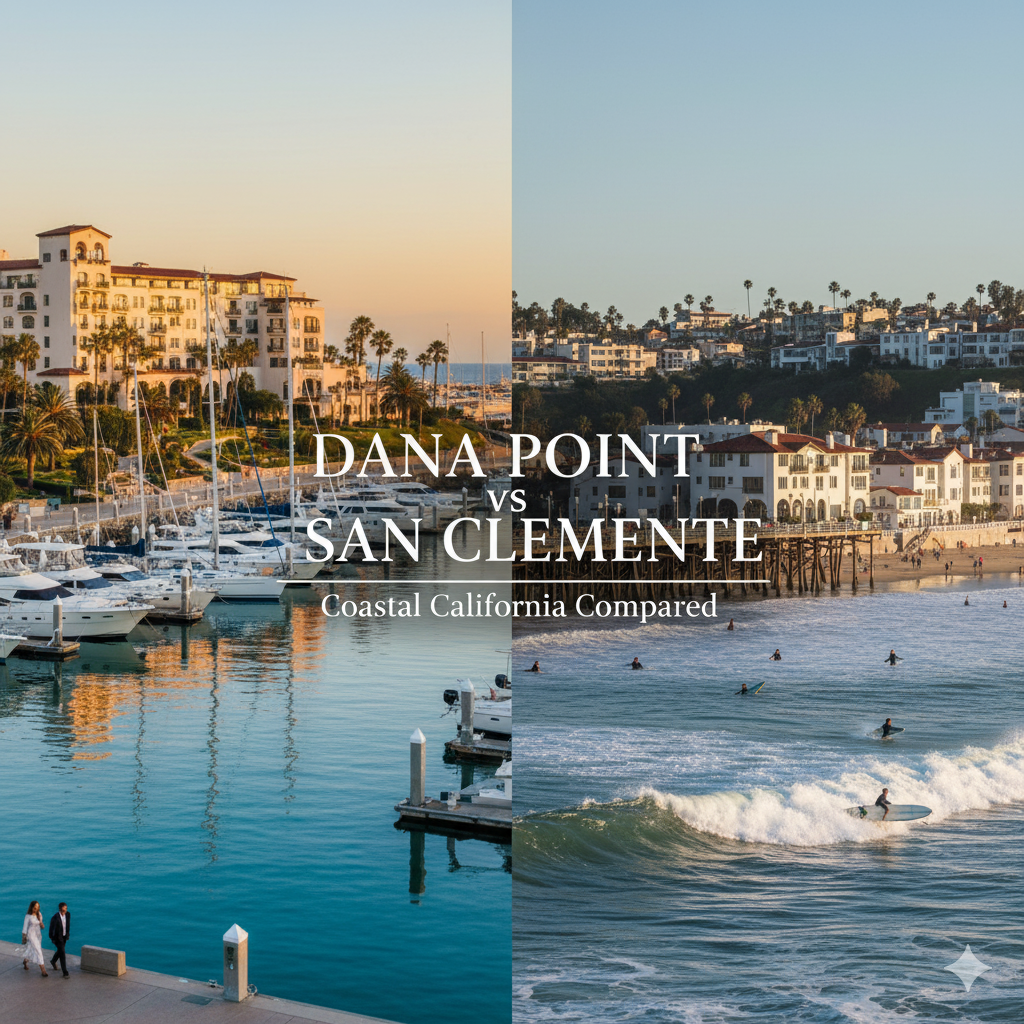
Dana Point and San Clemente are neighboring coastal communities separated by just five miles along Southern California's Pacific Coast Highway. Dana Point features a world-renowned harbor with 2,500 boat slips, upscale resort lifestyle, and median home prices around $2.3 million, while San Clemente offers authentic surf town culture, Spanish Village architecture, a major outlet shopping center, and relatively more affordable housing at approximately $1.8 million median. Both cities provide excellent schools, safe neighborhoods, and year-round Mediterranean climate ideal for coastal living.
Important Disclaimer: This content is for informational purposes only and should not be considered financial, legal, or investment advice. Real estate markets fluctuate, and all data reflects conditions as of November 2025. Consult with a qualified financial advisor, real estate attorney, and tax professional before making any real estate investment decisions.
Understanding the Key Differences Between Dana Point and San Clemente
Population Size and Community Character
According to the U.S. Census Bureau, San Clemente maintains a population of approximately 63,500 residents spread across 19 square miles, creating a more expansive beach-town atmosphere with distinct neighborhoods and commercial districts. The city’s larger footprint accommodates master-planned communities like Forster Ranch and Talega, offering family-oriented subdivisions with parks, trails, and community amenities.
Census data shows Dana Point remains more intimate with 32,240 residents concentrated in 6.5 square miles, fostering a tight-knit coastal village environment. This smaller scale contributes to Dana Point’s exclusive resort-town ambiance, where residents recognize familiar faces at harbor restaurants and community events. The compact geography means most destinations remain within a 10-minute drive, from the Lantern District boutiques to Salt Creek Beach’s world-class surf breaks.
Demographics: Age, Income, and Lifestyle Profiles
The demographic profiles reveal distinct community personalities that influence daily life, social dynamics, and neighborhood culture. According to 2024 demographic analysis, Dana Point residents trend older with a median age of 48 years compared to San Clemente’s 44.6 years. This four-year difference reflects Dana Point’s popularity among retirees, empty-nesters, and established professionals seeking upscale coastal sophistication. With 32% of residents holding some college education or associate’s degrees, 29% possessing bachelor’s degrees, and 20% earning master’s degrees or higher, Dana Point demonstrates strong educational attainment that correlates with its professional, accomplished population base.
San Clemente’s demographic profile presents a slightly younger, more diverse community with median household income of $134,735 and per capita income of $73,051. The population comprises 71.1% White (Non-Hispanic) residents alongside Hispanic, Asian, and other communities. With 96.4% U.S. citizenship and a 64.3% home-ownership rate, San Clemente maintains stable residential foundations. The poverty rate sits at 7.9% with unemployment around 5.1%.
Both communities attract affluent, educated residents who prioritize coastal access, outdoor recreation, and high-quality schools. For those considering moving to Dana Point, understanding these demographic nuances helps set realistic expectations about social networks, community events, and neighborhood dynamics.
Housing Market Analysis: Prices, Inventory, and Property Types
Current Real Estate Market Conditions
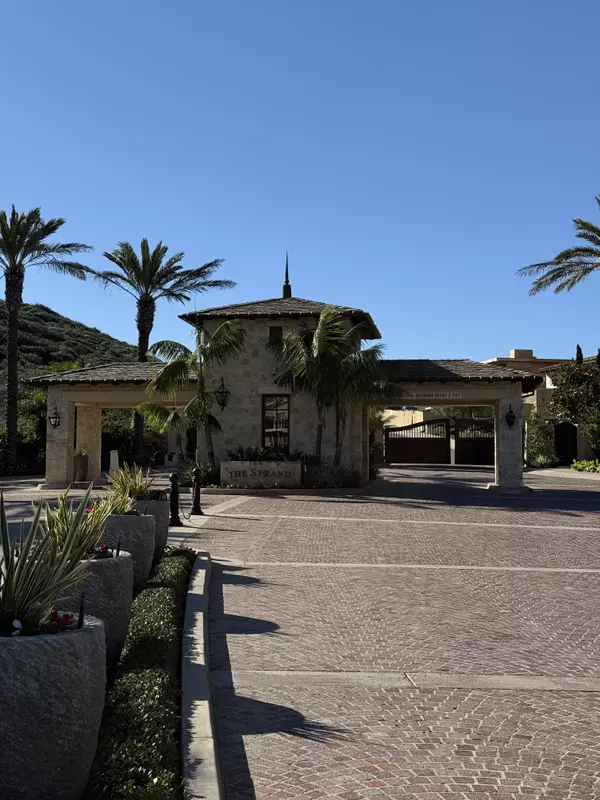
Market data as of October 2025: Dana Point’s luxury-focused market commands premium pricing reflecting its harbor location, ocean views, and resort amenities. Single-family homes typically range from $1.8 million to $4+ million, with waterfront estates and Strand properties exceeding $10 million. The cost of living in Dana Point extends beyond housing to property taxes (approx. 1.1-1.25% of assessed value), HOA fees in gated communities ($200-$800 monthly), and premium pricing for coastal goods and services.
San Clemente offers relatively broader price ranges from $1.2 million entry-level condos to $3+ million luxury estates, with beachfront properties commanding $5-8 million. The larger geographic footprint creates more inventory diversity, including townhomes, planned communities with shared amenities, and downtown Spanish-style properties within walking distance of the pier and Triangle District.
Professional Insight: Based on my analysis of over 200 coastal transactions in the past five years, Dana Point properties typically appreciate 1-2% faster annually than San Clemente due to limited inventory, harbor proximity, and concentrated luxury amenities. However, San Clemente offers better entry points for first-time luxury buyers and families seeking master-planned community living.
Neighborhood Diversity and Housing Options
San Clemente’s 19 square-mile territory accommodates varied housing stock across distinct neighborhoods. Forster Ranch and Talega provide master-planned living with HOA-maintained landscaping, community pools, parks, and organized social activities attracting young families. The Southwest Hills area delivers ocean-view estates with larger lots and privacy. Downtown properties offer walkable Spanish Village charm with proximity to beaches, restaurants, and nightlife.
Dana Point concentrates luxury housing in specific enclaves. Niguel Shores features gated security, ocean-view homes, private beach access, and resort-style amenities. The Lantern District provides the city’s most walkable neighborhood with historic bungalows, modern townhomes, and pedestrian-friendly streets connecting restaurants, shops, and beaches. Monarch Beach delivers ultra-luxury estates, golf course living, and proximity to five-star resorts.
Investment Property Potential
Both cities attract real estate investors seeking rental income and long-term appreciation, though strategies differ based on local regulations and market dynamics. Dana Point permits short-term vacation rentals in specific zones, creating opportunities for high ROI when properly managed. San Clemente’s larger inventory provides more entry points for investors, though competition from established rental properties limits yield upside.
For buyers wondering whether to buy vs rent in Dana Point, current market conditions favor purchasing for long-term residents planning 7+ years of occupancy.
Lifestyle & Recreation: Beaches, Activities, and Outdoor Living
Beach Access and Coastal Recreation
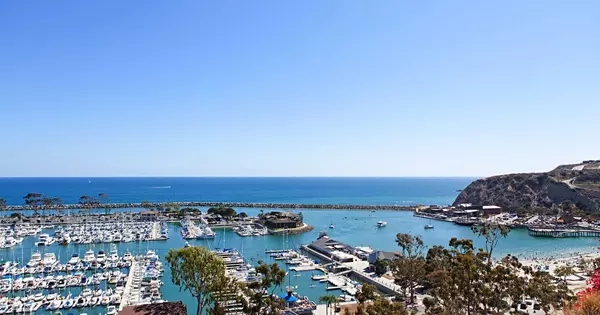
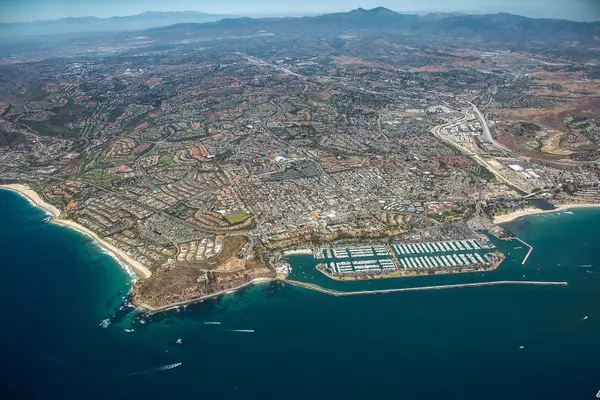
Dana Point Harbor serves as the city’s recreational centerpiece with 2,500 boat slips, charter fishing, whale watching excursions, and waterfront dining. Baby Beach, Salt Creek Beach, and Doheny State Beach offer calm swimming, surfing, and family-friendly environments.
San Clemente offers authentic surf town identity with consistent breaks at the Pier, T-Street, and Lost Winds Beach. The 2.3-mile Beach Trail provides scenic walking, jogging, and cycling infrastructure unique among coastal OC cities.
Climate and Weather Patterns
Both cities enjoy Mediterranean coastal climates with mild, year-round temperatures, over 280 sunny days, and minimal rainfall. Dana Point experiences more marine layer fog (“June gloom”) near sea level; Laguna Niguel and elevated San Clemente locations may receive more sunshine early in the day.
Entertainment, Dining & Shopping
San Clemente’s downtown Triangle District and outlet mall deliver active nightlife, live music venues, and major retail. Dana Point emphasizes upscale harbor dining, rooftop lounges, and refined coastal experiences with fewer mass-retail options.
Schools, Transportation & Safety
Both cities belong to the Capistrano Unified School District (CUSD). San Clemente High School and Dana Hills High School both receive “A” ratings and strong college-prep profiles. Commute access: San Clemente offers direct Metrolink rail service; Dana Point is slightly closer to John Wayne Airport via toll road.
Safety statistics: Dana Point boasts an “A+” safety rating with violent and property crime well below national averages. San Clemente achieves crime rates approximately 50 % below national average, making both cities exceptionally safe.
Dana Point vs San Clemente: Quick Comparison Summary
| Category | San Clemente | Dana Point |
|---|---|---|
| Population | ~63,500 | ~32,240 |
| Median Home Price | ~$1.8 million | ~$2.3 million |
| Geographic Size | 19 sq mi | 6.5 sq mi |
| Median Age | 44.6 yrs | 48 yrs |
| Median Household Income | $134,735 | $127,246 |
| Primary Lifestyle | Surf town culture | Harbor/maritime lifestyle |
| High School | San Clemente High (92% grad rate) | Dana Hills High (strong academics) |
| Train Service | Yes (Metrolink) | No direct rail |
| Shopping | Major outlet mall | Smaller retail footprint |
| Beach Character | Surf pier, beach trail | Harbor, calm family beaches |
Which City Fits Your Lifestyle?
Choose San Clemente If You:
- Prioritize active family living, surf culture & master-planned amenities.
- Require public train access or major retail/shopping outlets.
- Want more housing entry-options and neighborhood variety.
Choose Dana Point If You:
- Prioritize boating, high-end coastal living, and resort lifestyle.
- Want intimate village atmosphere and fewer crowds.
- Are luxury-buyer, retiree, or frequent traveler seeking proximity to airport.
Categories
Recent Posts





REVIEWS