
Pros & Cons of Living in Dana Point (2026) | Expert Guide

Living in Dana Point offers exceptional year-round weather, top-tier safety, and pristine coastal amenities, but requires navigating extraordinarily high housing costs exceeding $1.9 million median, seasonal tourist congestion, and limited economic diversity. The coastal Orange County city ranks among California's safest communities with 275 sunny days annually and maintains small-town charm despite ongoing development pressures that challenge its authentic character.
What Are the Benefits and Drawbacks of Living in Dana Point, California?
Dana Point represents one of Southern California's most desirable coastal communities, attracting families, retirees, and professionals seeking premium beachside living. Understanding both advantages and limitations helps prospective residents make informed decisions about relocating to this Orange County enclave.
Major Advantages of Dana Point Living
Outstanding Year-Round Climate
Dana Point maintains average temperatures around 70°F throughout the year, with approximately 275 sunny days annually—significantly exceeding the national average of 205 days. Annual precipitation averages just 14 inches, while ocean breezes moderate summer temperatures, keeping highs around 75–80°F even during August. Winter months from November through April maintain comfortable average highs above 65°F, enabling year-round outdoor activities without weather extremes common in other U.S. regions. For detailed climate information, see our complete Dana Point weather guide.
Superior Safety and Low Crime Rates
Dana Point consistently ranks among California's safest cities with crime statistics substantially below state and national benchmarks. The violent crime rate registers at 59.1 per 100,000 residents—44.4% below the national average—while property crime sits 63.9% below national levels. Community surveys indicate 78% of residents perceive virtually no crime in their neighborhoods, with most residents comfortable walking alone after dark. This safety profile particularly appeals to families with children and retirees prioritizing security.
Intimate Community Atmosphere with Upscale Amenities
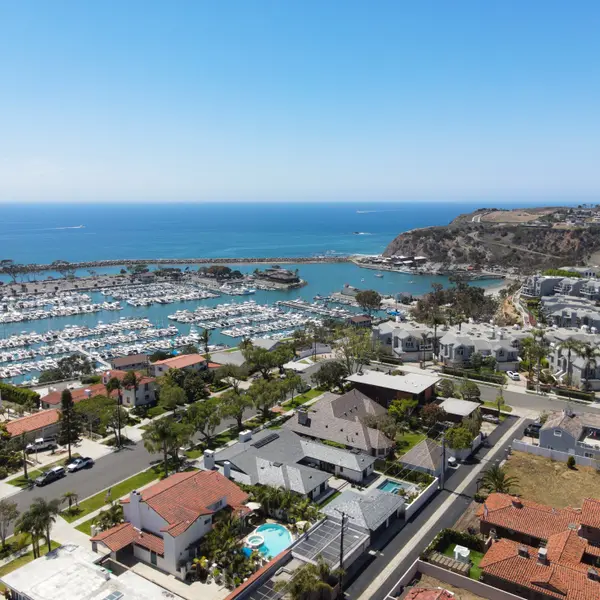
Despite a population of approximately 33,000 residents, Dana Point preserves walkable, small-town character while delivering resort-quality amenities. The revitalized Lantern District functions as a vibrant downtown hub featuring boutique shops, restaurants, and cultural programming. Dana Point Harbor—recognized as the “Dolphin and Whale Watching Capital of the World”—provides daily boating, fishing, and marine wildlife viewing opportunities. Annual events including the Festival of Whales, Tall Ships Festival, and holiday Boat Parade of Lights strengthen community bonds rarely found in larger metropolitan areas.
High-Quality Schools and Family-Oriented Environment
Public schools within the Capistrano Unified School District earn consistently strong ratings. Dana Hills High School ranks in the top 30% of California public high schools with an 8/10 rating and robust Advanced Placement offerings. Richard Henry Dana Elementary similarly receives positive evaluations for academic quality and community engagement. The family-focused culture, combined with nine pristine beaches and extensive outdoor recreation options, creates an optimal environment for raising children.
Authentic Surf Culture and Active Lifestyle
Dana Point's identity remains deeply rooted in California surf culture dating to the 1930s, when the legendary “Killer Dana” wave established its surfing legacy. Contemporary beaches including Salt Creek, Doheny State Beach, and Capistrano Beach offer world-class surfing, swimming, and tide pooling. Coastal trails, harbor activities, and proximity to nature reserves transform outdoor recreation from occasional weekend pursuits into daily lifestyle components.
Significant Disadvantages of Dana Point Living
Exceptionally High Cost of Living
Dana Point's cost of living exceeds the U.S. average by approximately 57%, with housing costs reaching 331% above national medians. As of early 2025, median home prices range between $1.6–2.1 million, compared to the national average near $400,000. Single-family homes average $1.9 million, while condominiums typically sell for $887,500 or higher. Rental properties average $3,500 monthly. A single adult requires approximately $49,654 annually for basic living expenses—roughly $11,000 above national averages. For a detailed breakdown, see our comprehensive cost of living analysis.
Seasonal Tourist Congestion
While less extreme than neighboring Laguna Beach, Dana Point experiences significant seasonal crowding that frustrates longtime residents. Summer weekends and major events generate traffic congestion, beach overcrowding, and parking scarcity. The harbor area and popular beaches become packed with visitors, particularly during whale-watching season and festivals.
Inadequate Parking Infrastructure
Parking challenges affect both residents and visitors throughout Dana Point. City council meetings regularly feature complaints about insufficient parking enforcement, festival-related residential street parking, and construction-disrupting access. Municipal authorities have restricted accessory dwelling unit permits in specific neighborhoods due to parking and traffic concerns.
Limited Demographic Diversity
Dana Point's demographics skew heavily white (71–75%), with constrained racial and ethnic diversity compared to broader Southern California. The population includes 16–19% Hispanic residents, ~4% Asian residents, and <1% Black residents. The median age of 48 years reflects an older, established population.
Substantial HOA Fees
Many properties—especially condos and gated communities—carry HOA fees from $100 to $500+ per month, with luxury developments sometimes exceeding $700–$1,000. These fees fund amenities but can rise via special assessments and may include restrictive regulations. This is an important consideration for those downsizing to a condo.
Development Pressures Threatening Character
The ongoing $600M+ Dana Point Harbor Revitalization Project sparks debate about preserving small-town charm versus modernization. Some residents fear increasing catering to wealthier newcomers at the expense of authentic character.
Limited Local Employment Opportunities
Dana Point’s small, resort-town profile means fewer local jobs beyond hospitality, retail, and marine sectors. Many residents commute to Irvine, Laguna Niguel, or Los Angeles, averaging ~29 minutes each way.
Dana Point Living Costs: What to Expect in 2025
| Expense Category | Dana Point Average | National Average | Percentage Difference |
|---|---|---|---|
| Median Home Price | $1,600,000–$2,100,000 | $400,000 | +331% |
| Single-Family Home | $1,900,000 | ~$450,000 | +322% |
| Condominium | $887,500+ | ~$300,000 | +196% |
| Monthly Rent | $3,500 | ~$1,700 | +106% |
| Annual Living Cost (Single Adult) | $49,654 | ~$38,000 | +31% |
| Overall Cost of Living Index | 157 | 100 | +57% |
For those considering real estate investment opportunities despite high prices, explore our investment property and ROI analysis.
How Safe Is Dana Point Compared to Other California Cities?
- Violent Crime Rate: 59.1 per 100,000 residents (44.4% below national average)
- Property Crime Rate: 63.9% below national average
- Resident Perception: 78% report virtually no crime concerns
- Nighttime Safety: Most residents feel comfortable walking after dark
These metrics place Dana Point among California’s safest coastal communities, appealing to families, seniors, and security-minded buyers.
What Is the Weather Like in Dana Point Throughout the Year?
- ~275 sunny days annually (≈70 above U.S. average)
- ~14 inches annual precipitation (≈36 inches below U.S. average)
- Ocean breezes moderate heat; minimal seasonal swings
- Generally low humidity
Learn more about seasonal patterns and microclimates in our detailed year-round weather guide.
Are Dana Point Schools Good for Families?
Dana Hills High School
- Top 30% in California
- 8/10 overall rating
- Robust AP program and strong college prep
Richard Henry Dana Elementary
- Positive community reviews
- Strong academic foundation and active parent involvement
For families considering the move, explore our guide to Dana Point's best neighborhoods to find areas with top-rated school access.
How Does Tourism Impact Daily Life in Dana Point?
Positive Impacts
- Supports local businesses and events
- Funds harbor and beach amenities
- Creates seasonal employment
Negative Impacts
- Summer traffic and crowded beaches
- Parking scarcity near the harbor and during festivals
- Occasional noise increases during major events
Residents often avoid peak hours/areas, shop off-peak, and plan early-morning activities to sidestep congestion.
Is Dana Point a Good Place to Retire?
Retirement Benefits
- Safe environment and strong community
- Excellent healthcare access in Orange County
- Year-round outdoor activities and cultural events
- Walkable downtown/harbor; airport proximity
Retirement Considerations
- Requires substantial savings or home equity
- High property taxes on expensive homes
- Many communities have HOA fees
- Limited public transit; car ownership recommended
For financially secure retirees, Dana Point can offer an exceptional quality of life. Explore our comprehensive retirement planning guide and downsizing strategies for detailed insights.
The Realistic Assessment for 2025
Resident satisfaction is high, but affordability is the gating factor. A $1.9M median home often requires $400K+ household income under traditional lending guidelines. For those who can clear the financial bar, Dana Point delivers authentic coastal living with daily ocean access and a strong sense of place. Tourist crowds and parking are manageable trade-offs for the location and lifestyle. If you're ready to take the next step, learn about buying Dana Point real estate from out of state or when to sell your Dana Point home for optimal timing.
Frequently Asked Questions About Living in Dana Point
- Is Dana Point more expensive than Laguna Beach?
- Dana Point generally offers slightly lower housing costs than Laguna Beach, though both are among the most expensive SoCal coastal markets. See our detailed comparison of Dana Point vs. Laguna Beach for specifics.
- What is the best neighborhood in Dana Point for families?
- Monarch Beach and Lantern Village are popular with families for proximity to schools, amenities, and walkability (at premium prices). Explore all options in our best neighborhoods guide.
- Can you live in Dana Point without a car?
- Possible in select walkable pockets, but limited transit and spread-out services make car ownership strongly recommended.
- What should I know before moving to Dana Point?
- Beyond costs, consider commute times, HOA restrictions, and seasonal tourism patterns. Our complete moving to Dana Point guide covers all essential considerations.
About the Author

Susan Chase is a Top 1% Realtor® and 30-year resident of coastal Orange County specializing in Dana Point, Monarch Beach, Laguna Beach, and surrounding communities. With a UCLA degree in Business and decades of local market experience, she brings deep neighborhood knowledge and proven results to every client.
📞 (949) 370-6950 | ✉️ susan.chase@compass.com.
Categories
- All Blogs (157)
- 2026 Harbor & Coast Reports (2)
- Coastal OC Lifestyle (16)
- Guides (14)
- Into the Weekend with Susan (1)
- Living in Dana Point (20)
- Living in Laguna Beach (20)
- Living in Laguna Niguel (19)
- Living in San Clemente (18)
- Living in San Juan Capistrano (17)
- Micro-Market Deep Dives (5)
- Relocation (3)
- Right Sizing Strategy (6)
- Strategic Market Intelligence (17)
Recent Posts









REVIEWS