
Decoding a Laguna Niguel Property Tax Bill: HOA Dues, Assessments, and What Is Not Mello-Roos
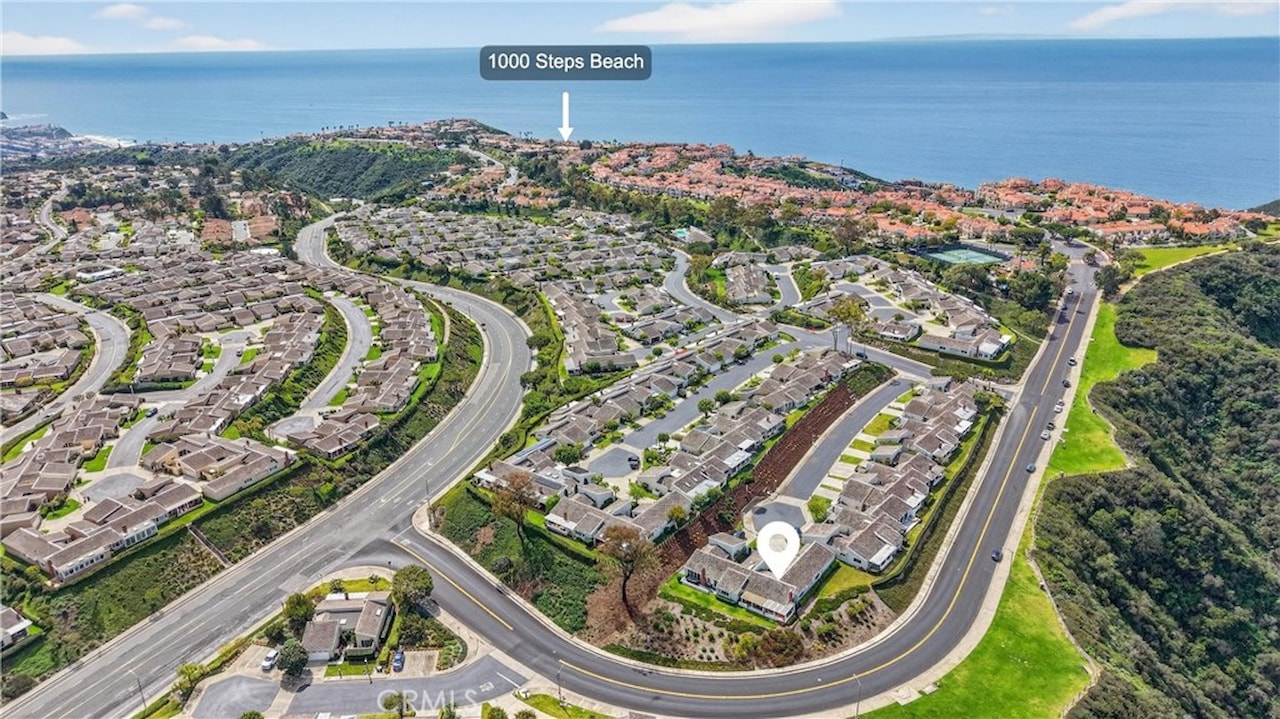
A Laguna Niguel property tax bill starts with the Proposition 13 base of one percent of assessed value, plus a few voter-approved bonds and small assessments. Most of the city carries little or no Mello-Roos, and your HOA dues are billed separately, not on the tax bill at all.
You find two homes you love in Laguna Niguel. They are listed within a few thousand dollars of each other, similar size, similar era, a few minutes apart. On price alone, it looks like a coin flip. Then you pull the real carrying costs, and one of them quietly costs you a few hundred dollars more every month than the other. Nothing on the listing told you that. The difference was hiding in the tax bill and the HOA, in the lines most buyers never learn to read.
This is the part of buying that does not show up in the photography. In a master-planned city like Laguna Niguel, the monthly cost of owning a home is not one number. It is a stack of them, and the names get tangled in conversation all the time. People say Mello-Roos when they mean HOA dues. They say taxes when they mean assessments. The result is a budget built on a guess.
This guide takes the tangle apart. It walks through each line a Laguna Niguel owner actually pays, clarifies where Mello-Roos does and does not apply in this city, and shows how to compare the true monthly cost of two homes that look identical in price. For the wider context of living here, start with my Laguna Niguel communities guide. None of it is complicated once the labels are straight. It just takes someone showing you the bill the way it really reads.
Why this matters more in a master-planned city
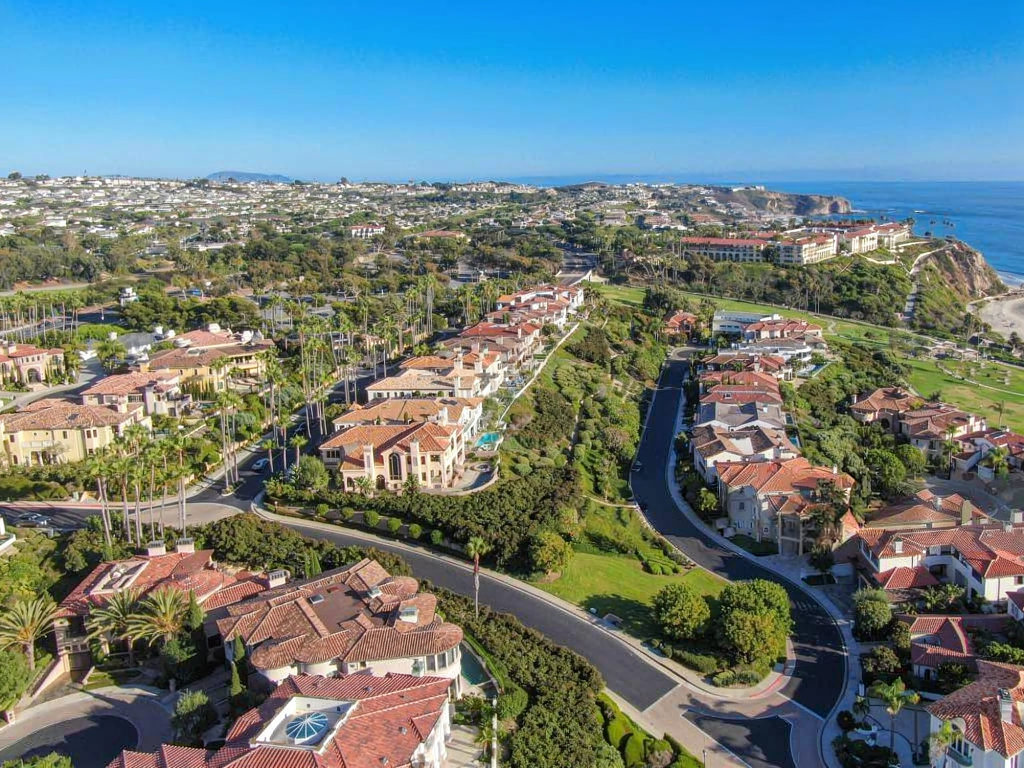
Laguna Niguel was laid out as one of California's earliest master-planned communities, and that history shapes the cost structure of nearly every home here. Master planning means shared infrastructure, shared landscaping, shared amenities, and the various ways a city and its communities pay for all of it over time. Those costs land in two very different places. Some appear on your county property tax bill. Others come from your homeowners' association and never touch the tax bill at all.
Buyers coming from an older, non-association neighborhood often have no framework for this. They are used to a property tax bill and nothing else. In Laguna Niguel, the home down the street with a slightly lower price can carry a higher HOA, a special assessment, or in a small number of pockets a Mello-Roos charge, and end up costing more to own. Learning to read the full stack is how you compare homes honestly.
The base tax, where every bill starts

The foundation of any California property tax bill is Proposition 13. It sets the base rate at one percent of your home's assessed value, and it sets that assessed value at your purchase price when you buy. From there, the assessed value can rise by no more than two percent a year, regardless of how much the market climbs around you. This is why a longtime Laguna Niguel owner can pay far less in tax than a new buyer next door in an identical home. They are taxed on what they paid years ago, not on today's value.
For a buyer, the practical takeaway is simple. Your starting point is one percent of your purchase price, and you can estimate it before you ever write an offer. A home bought at one and a half million dollars begins with a base tax near fifteen thousand dollars a year. Everything else on the bill stacks on top of that base.
Voter-approved bonds and the number above one percent
If the base rate is one percent, why do Orange County effective rates usually come in a little higher. The answer is voter-approved bonds. Communities vote to fund things like school facilities and regional improvements, and those bonds are repaid through small additions to the property tax bill, expressed as fractions of a percent. Stacked onto the base, they nudge the effective rate above one percent.
Laguna Niguel sits at the lower end of the Orange County range on this measure. The effective rate here generally lands close to one percent and into the low one-point range once bonds are included, which is modest compared with the newer master-planned communities further inland that carry heavier add-ons. That relatively light load is one of the quiet advantages of buying in an established city rather than a brand-new development.
Special assessments, the small line items that stack
Below the base tax and the bonds sit the special assessments. These are the small, specific charges for services tied to your parcel, and on a Laguna Niguel bill they often appear as landscape and lighting district line items or similar district charges. Individually they are minor, a few dollars here and a few dozen there. Together they add up to a real, if modest, annual figure, and they are worth reading rather than skimming, because they vary from one pocket of the city to another.
The important thing to understand about assessments is that they are not Mello-Roos, even though buyers frequently lump them together. An assessment funds a defined local service. A Mello-Roos charge is a different animal entirely, and the distinction matters for both your budget and your resale.
Mello-Roos, and what is not Mello-Roos here
Mello-Roos is the common name for a Community Facilities District, or CFD, a special tax that some California communities use to fund infrastructure like roads, parks, and schools. A CFD charge follows a formula set when the district is formed, which can be a flat amount per parcel, a figure tied to square footage, or a tiered amount. Many CFDs include an annual escalation, and most are scheduled to retire once their bonds are paid off. A Mello-Roos charge is a real, sometimes significant addition to a bill, capable of adding anywhere from a modest amount to well over a thousand dollars a month in the heaviest districts elsewhere in the region.
Here is the part that surprises relocating buyers, and the heart of this article. Most of Laguna Niguel does not carry Mello-Roos at all. The city was largely built before the era when CFDs became the standard tool for financing new communities, so the great majority of its homes have no CFD line on the tax bill. There are limited pockets where bonds were used, and a careful buyer confirms the specific parcel either way, but the blanket assumption that a Laguna Niguel home comes with a Mello-Roos charge is usually wrong.
This is precisely why the labels matter. When a buyer worries about Mello-Roos in Laguna Niguel, what they are very often looking at is an HOA due or a small assessment, not a CFD tax. Naming the charge correctly is the difference between an accurate budget and an imaginary one.
The supplemental tax bill, the surprise after closing
One line item does not appear until after you own the home, and it catches first-time Orange County buyers nearly every time. When you purchase, the county reassesses the property to your purchase price, and if that price is higher than the prior assessed value, you owe the difference for the portion of the year you owned it. That catch-up arrives as a supplemental tax bill, sometimes as one bill and sometimes as two, often within the first year or so of ownership.
This is not an extra tax so much as a timing adjustment, but it can be a meaningful one-time amount, and it is easy to forget when you are budgeting around a monthly payment. Setting aside reserves for the supplemental bill in your first year of ownership keeps it from becoming an unwelcome envelope in the mailbox.
HOA dues, which are not on the tax bill

Now the line that causes the most confusion of all. Your homeowners association dues are not part of your property tax bill. You pay them directly to your HOA, usually monthly, and they fund the things the association maintains, which can include landscaping, common areas, pools, recreation facilities, and in attached communities the building exteriors and roofs. In Laguna Niguel these dues range widely. Many detached neighborhoods carry modest dues or none at all, standard communities sit in a comfortable middle, and amenity-rich or attached communities carry higher monthly figures.
Because HOA dues are a separate bill, they are the single most common thing buyers mislabel as taxes or as Mello-Roos. They belong in your monthly math just as firmly as the tax bill does, and they are often the line that creates the real gap between two similarly priced homes. The attached-home side of this is its own subject, which I cover in my 2026 value guide to Laguna Niguel condos and townhomes.
How to look it all up before you offer
The good news is that none of this has to be a mystery at offer time. The Orange County Assessor and the county tax tools let you look up a specific address and see the base tax along with any special assessments and any Community Facilities District charges. The county's property tax lookup resources were built in part to make CFD charges visible, so a quick search by address tells you whether Mello-Roos applies to the parcel you are considering.
Beyond the county tools, two documents fill in the rest. A preliminary title report flags recorded special taxes tied to the parcel, and the HOA disclosure packet lays out the dues, any pending special assessments, and the reserve picture for the association. Reading those three sources together gives you the complete carrying-cost picture before your contingencies are even removed. For the wider context of living here, my local guide to living in Laguna Niguel sets the scene around the numbers.
Comparing the true monthly cost of two homes

Put it all together and the two homes from the start of this guide stop being a coin flip. Take two listings at the same price. Run one percent of the price as the base tax for each, add the small bond and assessment load, confirm that neither carries a Mello-Roos charge or note the amount if one does, then add the real monthly HOA dues for each community. Divide the annual tax and assessment figure by twelve, add the monthly dues, and you finally have the number that matters, the true monthly cost of ownership.
More often than not, that exercise reveals a gap the price never showed. One home sits in a low-dues neighborhood with no CFD, the other in an amenity-rich community with higher dues, and the monthly difference can run into the hundreds. Neither is wrong to choose. The point is to choose with the real numbers in front of you rather than the sticker price alone.
| Base property tax (Prop 13) | One percent of assessed value, set at purchase price, capped at two percent annual growth |
|---|---|
| Effective tax rate (representative) | Generally near one percent and into the low one-point range once voter bonds are added, among the lower bands in Orange County |
| Voter-approved bonds | Small fractions of a percent for school and regional facilities, added to the base |
| Special assessments | Landscape, lighting, and district line items are small individually, stack annually |
| Mello-Roos / CFD | Largely absent across most of Laguna Niguel, present only in limited pockets, always confirmed by parcel |
| Supplemental tax bill | One-time catch-up to purchase-price value after closing, often within the first year, sometimes in two installments |
| HOA dues | Billed separately, not on the tax bill, ranging from little or none to higher figures in amenity-rich or attached communities |
| Where to verify | Orange County Assessor and county tax tools, preliminary title report, HOA disclosure packet |
Frequently asked questions
Does Laguna Niguel have Mello-Roos taxes?
Mostly no. The large majority of Laguna Niguel was built before Community Facilities Districts became the standard financing tool, so most homes carry no Mello-Roos charge. A small number of pockets do, so always confirm the specific parcel through the Orange County Assessor or the county tax tools before you assume one way or the other.
Are HOA dues part of the property tax bill in Laguna Niguel?
No. HOA dues are paid directly to the homeowners association, usually monthly, and never appear on the county property tax bill. They are the line buyers most often mistake for taxes or Mello-Roos, and they belong in your monthly budget alongside the tax bill.
How do I estimate property taxes on a Laguna Niguel home before buying?
Start with one percent of the purchase price as your base tax under Proposition 13, then add the small voter-approved bonds and any special assessments. Confirm whether a Mello-Roos charge applies to the parcel, and remember the one-time supplemental tax bill that follows closing. The Orange County Assessor and county tax tools let you verify the specifics by address.
What is a supplemental tax bill?
When you buy, the county reassesses the home to your purchase price, and if that is higher than the prior assessed value you owe the difference for the part of the year you owned it. That arrives as a supplemental tax bill, sometimes in two installments, often within the first year of ownership. It is a one-time timing adjustment rather than an ongoing tax.
Why does the home next door pay less property tax than I would?
Proposition 13 sets assessed value at the purchase price and caps annual growth at two percent, so a longtime owner is taxed on what they paid years ago rather than today's value. A new buyer in an identical home is assessed at the current purchase price, which is why two matching homes can carry very different tax bills.
The Final Word from Susan Chase
The homes that look identical on price rarely cost the same to own, and in Laguna Niguel, the difference lives in lines most buyers were never taught to read. Nothing is intimidating about a property tax bill once the labels are straight and the HOA is accounted for separately. The buyers who run the real monthly number are the ones who never get surprised after closing, and who choose their home for the right reasons rather than the sticker alone.
Living In Coastal OC is the editorial home of Susan Chase and the Susan Chase Group at Compass, serving buyers, sellers, and relocations across Laguna Beach, Dana Point, Laguna Niguel, San Clemente, and San Juan Capistrano. For private consultations, neighborhood tours, or relocation guidance, contact us at livingincoastaloc.com.

Susan Chase Group | Compass
Dana Point, California
949-370-6950
susan.chase@compass.com
livingincoastaloc.com
🙋🏼♀️ I’m Susan Chase, your South Orange County Realtor, advisor and guide, helping buyers, sellers, and relocations right-size and find a coastal home and lifestyle they’ll love. ❤️
Sources & Data Verification California property tax structure, including the Proposition 13 base rate of one percent of assessed value, assessment at purchase price, and the two percent annual cap on assessed-value growth: California Proposition 13 and Orange County tax references. Orange County effective rate context and Laguna Niguel's position toward the lower end of the county range: aggregated Orange County property tax data, 2025 to 2026. Mello-Roos and Community Facilities District structure, including the Rate and Method of Apportionment, possible escalation, and bond retirement or sunset, and the limited presence of CFDs across most of Laguna Niguel: California Community Facilities Act references and Orange County Community Facilities District data. Property tax lookup tools that display base levies and special assessments including CFDs by address: Orange County Assessor and Orange County Treasurer-Tax Collector resources. Supplemental tax bill practice following a change in ownership: Orange County Assessor references. Special assessment, landscape and lighting district, and HOA dues structure: Orange County tax practice and standard HOA disclosure documents. All rates and dollar amounts in this article are representative and rounded for illustration, not quotes for any specific property. Effective tax rates, assessments, CFD status, supplemental amounts, and HOA dues vary by parcel and by community and change over time. Confirm the base tax, any assessments, and any Mello-Roos charge through the Orange County Assessor and county tax tools, confirm dues through the HOA disclosure packet, and review the preliminary title report, before making a purchase decision.
Categories
- All Blogs (150)
- 2026 Harbor & Coast Reports (2)
- Coastal OC Lifestyle (13)
- Guides (10)
- Into the Weekend with Susan (1)
- Living in Dana Point (19)
- Living in Laguna Beach (20)
- Living in Laguna Niguel (19)
- Living in San Clemente (18)
- Living in San Juan Capistrano (17)
- Micro-Market Deep Dives (5)
- Relocation (3)
- Right Sizing Strategy (6)
- Strategic Market Intelligence (18)
Recent Posts





REVIEWS